
GENERATOR CARE DURING EXTENDED OUTAGES
Generator Maintenance During a Multi-Day Power Outage: Oil Checks, Service Intervals, and Shutdown Planning
A generator used occasionally for a short outage can accumulate a season’s worth of running hours during one extended emergency. Fuel is only part of the plan: oil checks, scheduled service, and safe shutdowns still matter while utility power is out.
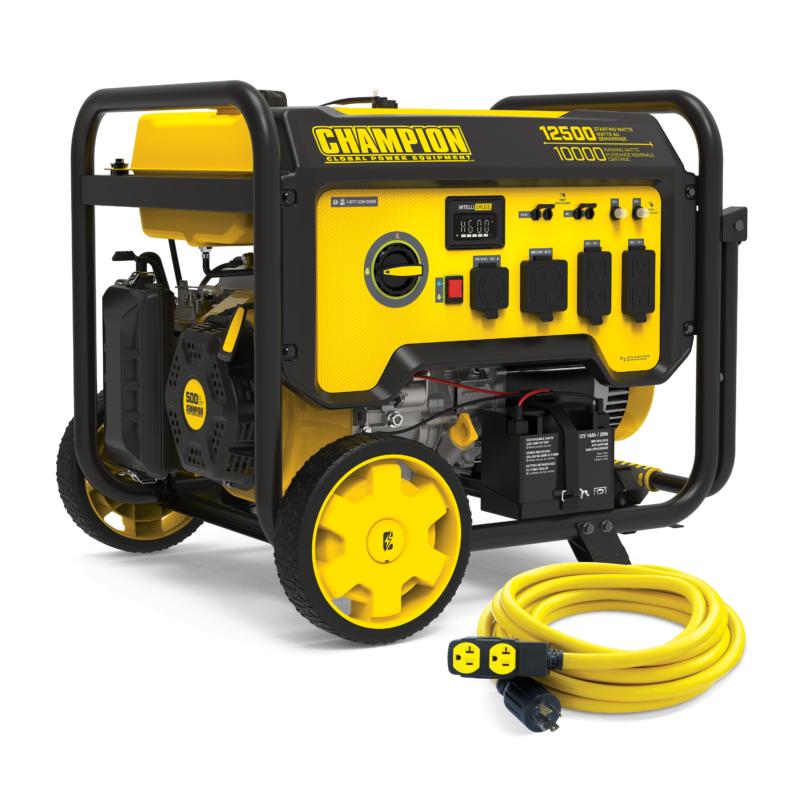
1. Count Running Hours, Not Just Outage Days
Use the hour meter if fitted. Otherwise, record start and stop times and add the operating periods together. Outage length and generator runtime are different if you shut down for parts of the day.
| Daily generator use | Three-day total |
|---|---|
| 8 hours | 24 running hours |
| 12 hours | 36 running hours |
| 18 hours | 54 running hours |
These figures illustrate accumulation, not recommended operating schedules. Supervision, maintenance, and safe operating conditions still determine when a generator can run.
Calculate service from the last completed task. If a hypothetical oil-change interval is 50 hours and the last change was at meter reading 120, the next is due at 170. An outage beginning at 158 leaves 12 running hours until that service—not another 50.
2. Separate Break-In Service From Routine Maintenance
A new engine may require an early oil change and operating restrictions during break-in. Do not substitute the later routine interval for that first service.
As a specific example, the Champion 200963 manual calls for an initial oil change after five hours and oil-level checks every eight hours or before each use. It also specifies shorter oil-change intervals for heavy-load or hot conditions. Those numbers apply to that manual; confirm yours before using them.
Make a short list of the next due tasks, the current hour reading, and any calendar deadline. When a schedule says “hours or annually,” apply whichever limit arrives first.
3. Check Oil Using the Correct Procedure
Use the manual’s specified oil grade, temperature guidance, fill amount, and checking method. Different dipsticks may be read differently; do not assume the cap should always be screwed in or always left resting on the threads.
- Shut down and place the generator on a level surface as instructed.
- Allow the specified settling or cooling time before checking.
- Clean around the fill area to keep dirt out.
- Read the level using the model’s procedure.
- Add only the approved oil and avoid overfilling.
- Secure the cap and inspect for leaks before restarting.
A low-oil shutdown is backup protection, not the intended reminder to add oil. If the level falls unexpectedly or repeatedly, stop and investigate rather than continually topping up.
Synthetic oil does not automatically extend the service interval. Use the interval approved for your exact engine and operating conditions.
4. Plan Shutdowns Before Service Is Due
Write down which essential loads will lose power and how you will support them during the stop. A maintenance break is easier to manage when planned in daylight with supplies ready.
- Refrigeration: Keep doors closed and monitor food temperatures.
- Sump pumping: Confirm an appropriate backup arrangement before stopping during active flooding risk.
- Heating: Consider indoor temperature and occupants’ needs.
- Medical equipment: Use the device-specific backup plan from the equipment provider.
Follow your installed transfer equipment’s operating procedure to remove loads and isolate the generator. Then use the generator’s normal shutdown instructions. Do not improvise breaker positions or work inside the panel.
Refuel only with the engine off and cooled as directed. Coordinate tasks when practical, but do not treat one cooling period as suitable for every task: gasoline refueling and warm-oil service can have different requirements.
For nighttime planning, see Can You Run a Generator Overnight?
5. Inspect More Than the Oil
Check the air filter, spark plug, fuel-system components, and other service items at the intervals in your manual. Dust, debris, and harsh conditions may require more frequent attention.
Inspect accessible cooling openings and remove debris only after shutdown and appropriate cooling. Keep required airflow and clearances available; never enclose a generator to reduce noise.
Look for damaged cords, loose connector bodies, discoloration, melted plastic, or water intrusion. Shut down and disconnect according to the equipment instructions before handling connections. Do not bypass protective devices or repair energized equipment.
Do not apply a generic cleaning method to every filter. Foam, paper, and combination elements have different requirements. Internal fuel-system repairs and unfamiliar electrical or engine work belong with qualified service personnel.
For recurring trips, read Generator Keeps Tripping Breaker: Causes and Checks .
6. Warning Signs That Require Stopping
- Fuel leaks, suspected propane leaks, smoke, or fire.
- New knocking, severe vibration, overheating, or unstable operation.
- Unexpected oil loss or repeated protective shutdowns.
- Arcing, shocks, or overheated plugs and cords.
- Water intrusion or weather beyond the equipment’s limits.
Shut down safely where possible and arrange diagnosis. Do not increase engine speed, bypass a low-oil sensor, or repeatedly reset protection to keep power flowing.
Printable Outage Maintenance Log
Fill in the service intervals from your own manual. This table can be printed or copied into a notebook.
Generator model/revision: ____________________
Approved oil: ____________________
Oil-check interval: ____________________
Next oil change due at: ____________________
| Date / time | Meter / total hours | Check or service | Next due / notes |
|---|---|---|---|
| ____________ | ____________ | ________________ | ________________ |
| ____________ | ____________ | ________________ | ________________ |
| ____________ | ____________ | ________________ | ________________ |
| ____________ | ____________ | ________________ | ________________ |
Keep a small outage service kit ready
Include the manual, approved oil, clean funnel, measuring container if needed, gloves, eye protection, flashlight, rags, and suitable oil collection equipment. Carry model-correct service parts only for work you are prepared to perform safely.
Frequently Asked Questions
How often should I check generator oil during an outage?
Use the manual’s interval. Plan the check before it is due rather than waiting for a warning or shutdown.
Can I skip an oil change until utility power returns?
An outage does not suspend the service schedule. Arrange a safe maintenance stop or another source of power before the interval expires.
Does adding oil count as changing it?
No. Topping up restores the level; it does not remove the used oil or complete the scheduled oil-change procedure.
Does propane operation eliminate oil changes?
No. Follow the engine’s maintenance requirements for the fuel and operating conditions specified by the manufacturer.
What should I do when the outage ends?
Record final hours, complete due service, inspect for damage, and follow the storage procedure. See How to Store a Generator Between Power Outages .
Sources and image credits
- Champion 200963 manual: Model-specific schedule and oil procedures
- Briggs & Stratton: Portable generator maintenance
- Briggs & Stratton: Model identification illustration
- Champion 201075 product photo
- American Red Cross: Generator operation and refueling safety
- CPSC: Generator carbon monoxide and electrical safety
This guide focuses on portable generators. Examples do not replace the schedule for your model. Permanently installed standby systems have separate service and automatic-start isolation procedures.