SOLAR PANEL PERFORMANCE & TROUBLESHOOTING
Why Are My Solar Panels Producing Less Power Than Rated?
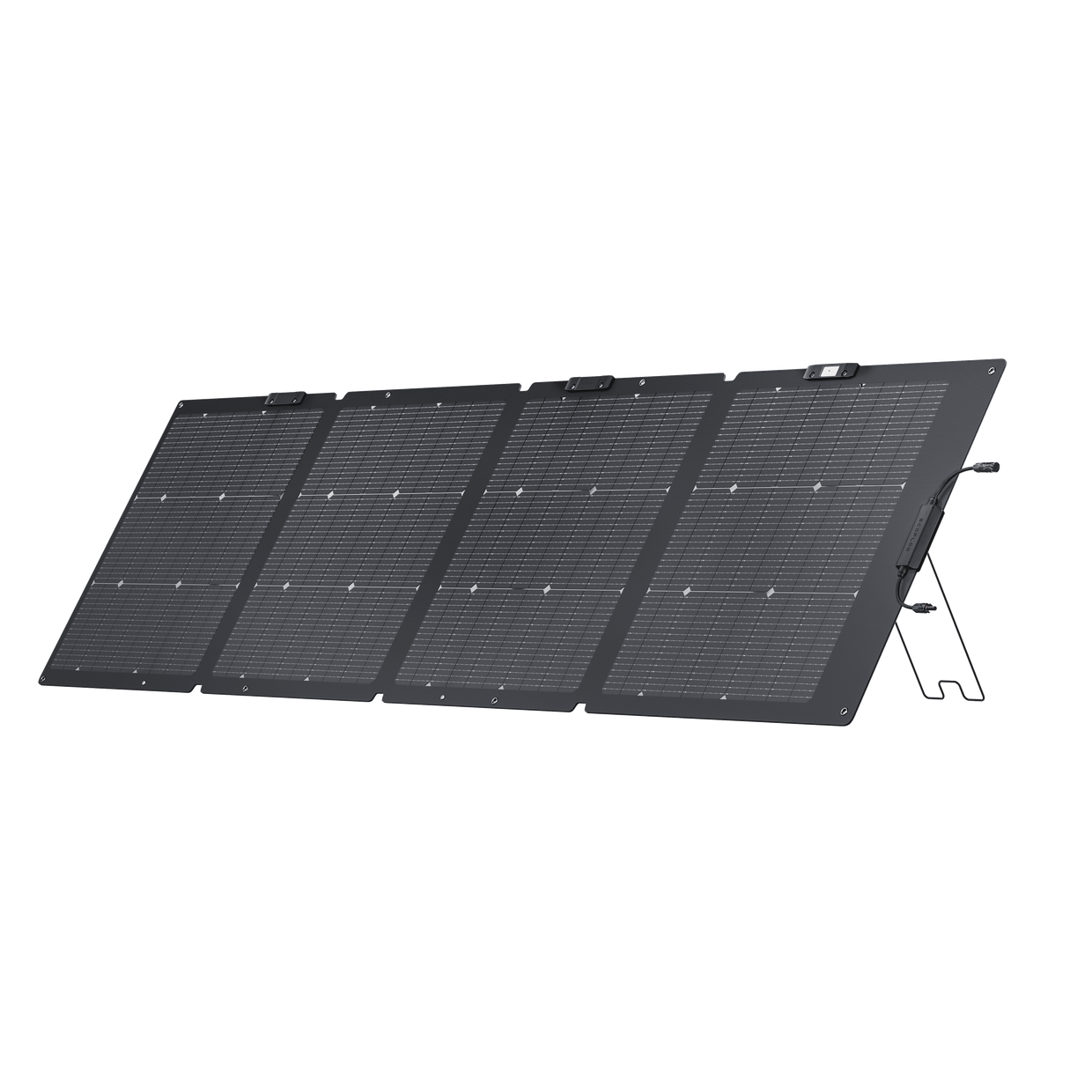
You connect a 200W solar panel and see 130W on the power station. Is the panel defective? Not necessarily. The label describes output under specified test conditions, while your display shows power at a particular moment and measurement point.
1. Rated Watts Are a Test Result, Not a Constant Output
Solar modules commonly use standard test conditions: 1,000W/m² irradiance, 25°C cell temperature, and a specified light spectrum. Check the datasheet for your panel’s rating basis.
Cell temperature is not outdoor air temperature. A panel sitting in direct sun can be much hotter than the surrounding air. Morning, evening, clouds, haze, and season also change the sunlight reaching it.
There is no universal rule that every panel should always deliver a fixed percentage of its label. Output can fall well below its rating or, in some conditions, briefly exceed it.
Watts and watt-hours answer different questions
Watts describe instantaneous power. Watt-hours describe energy accumulated over time. A 200W panel does not automatically supply 200W throughout the day.
Illustrative example: An average measured output of 120W for four hours represents 480Wh at that measurement point. It does not tell you what the panel produced during the rest of the day.
2. Check the Conditions Around the Panel
| Cause | What to check |
|---|---|
| Weak or changing sunlight | Clouds, haze, time of day, and seasonal sun height. |
| Unfavorable angle | Whether the panel faces the sun rather than simply the brightest part of the sky. |
| Partial shade | Shadows from branches, railings, cables, nearby panels, or your body. |
| Hot cells | Temperature-related loss and the manufacturer’s placement instructions. |
| Surface obstruction | Dirt, leaves, bird droppings, or snow. |
| Glass between panel and sun | Indoor placement behind a window can reduce available light. |
Position portable panels in an unobstructed location and adjust them as the sun moves. Keep the power station itself within its temperature and weather limits.
Shading can affect more than the area visibly covered because cells are electrically connected. Its effect depends on cell layout, bypass diodes, and array design.
Clean only as the panel manufacturer directs, with the equipment safely isolated and at a suitable temperature. Avoid abrasive cleaners, pressure washing, and improvised cooling methods.
Heat can lower output even on a sunny day
The U.S. Department of Energy explains that higher solar-cell temperatures generally reduce voltage more than they increase current, lowering conversion performance.
Rated power: 200W.
Power temperature coefficient: −0.35% per °C.
Cell temperature: 55°C, or 30°C above the 25°C reference.
Temperature-only reduction: 10.5%.
Result: about 179W before other effects.
Use your panel’s actual power coefficient; do not substitute its Voc coefficient.
3. The Power Station May Be Accepting Less Than the Panel Can Supply
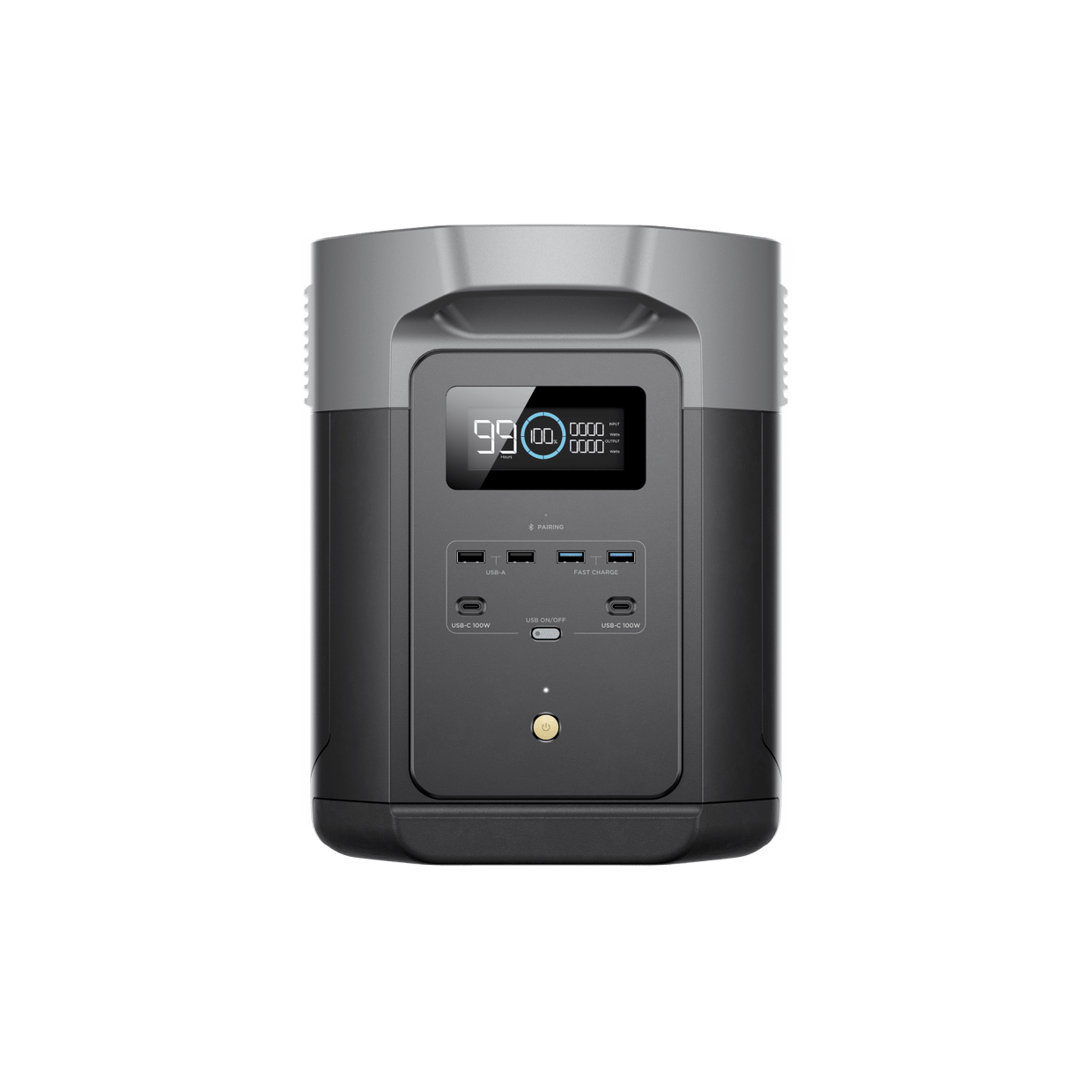
A charging display is not an unrestricted panel test. The controller draws power according to its operating limits and the battery’s ability to accept charge.
- Near-full battery: Charging demand may taper or stop.
- Charge ceiling: A user setting may intentionally limit charging.
- Temperature protection: The battery may restrict input.
- Input power or current cap: The port may limit accepted power.
- Voltage mismatch: The array may be outside the supported operating range.
Check what the display measures. Solar input, combined input, net battery charging, and AC output are different values. Do not subtract conversion losses from a number that already includes them.
Related guide: Why Does My Power Station Stop Charging From Solar?
4. Inspect the Array, Cables, and Connectors
Check the approved array configuration, cable length and rating, polarity, and connector compatibility. Cable resistance causes losses; damaged or poorly seated connections can create additional problems.
Series and parallel arrangements change voltage and current. A mismatched panel or unsuitable arrangement can limit performance even when total advertised watts look correct.
See Series vs. Parallel Solar Panels for a Portable Power Station .
5. Make a Fair Comparison Before Blaming the Panel
- Record the exact panel and power-station models.
- Verify the approved electrical configuration and input limits.
- Choose stable, clear conditions with strong sunlight.
- Remove shadows and position the panel toward the sun.
- Confirm the battery can accept charge and is within temperature limits.
- Let the controller settle, then record input over several minutes.
- Compare repeated readings under similar conditions rather than one brief peak.
If testing panels individually is supported, compare matching panels using the same approved input and cable under closely similar conditions. A consistent difference can help support diagnose a problem.
Do not intentionally short panel leads or attempt current measurements without appropriate equipment and training. Rooftop-system testing belongs with a qualified installer.
6. When Low Output Deserves Professional Attention
Request help when output stays unusually low after basic checks, a sudden lasting drop appears under comparable conditions, fault messages recur, or physical damage is visible.
Provide photos, model numbers, array layout, cable details, weather conditions, battery charge level, and recorded readings. For an installed rooftop system, compare monitoring history with seasonal expectations and have the installer check faults and performance.
For daily-energy planning, use our Solar Recharge Reality Check Calculator .
Frequently Asked Questions
Is 130W from a 200W panel normal?
It can be, but the number alone cannot establish that. Check sunlight, temperature, angle, measurement point, and charging limits.
Does higher efficiency mean the panel will exceed its rated watts?
No. Efficiency describes conversion of sunlight to electricity relative to panel area and test conditions. It is not extra power to add to the nameplate rating.
Can cold weather improve output?
Cool cells can improve performance when sunlight is adequate. Cold also raises open-circuit voltage, so the array must remain within the input’s maximum voltage.
Can I add more panels to overcome low output?
Only within a manufacturer-approved design. Additional panels can exceed voltage, current, cable, or power limits.
Do bifacial panels always deliver their advertised rear-side gain?
No. Additional rear-side collection depends on placement, reflected light, and other conditions. Do not simply add separate front and rear ratings unless the datasheet defines that calculation.
Sources and photo credits
- U.S. Department of Energy: PV performance and temperature
- Australian Government Your Home: Solar ratings, shading, and conditions
- EcoFlow: Portable panel positioning and output guidance
- EcoFlow DELTA 2 Max: Charging limits and operating instructions
- EcoFlow portable panel photo
- EcoFlow power-station photo
Numerical examples are hypothetical. Follow your equipment manuals and use qualified professionals for rooftop work and electrical diagnosis.