
Can a Portable Generator Run Power Tools? (Wattage Guide + Real Examples)
Yes — a portable generator can run many common power tools, but the real question is which tools, how much startup wattage they need, and whether your generator can handle the surge without tripping or stalling.
This matters during power outages, emergency repairs, home projects, storm cleanup, and DIY work when utility power is unavailable. Some tools are easy for a generator to handle. Others — especially motor-driven tools with a startup surge — can overload a smaller unit fast.
Quick Answer
Battery drills are easy. Circular saws are moderate. Table saws can be demanding depending on blade size, motor load, and what you are cutting. If your generator is undersized, tools may hesitate, bog down, trip breakers, or fail to start at all.
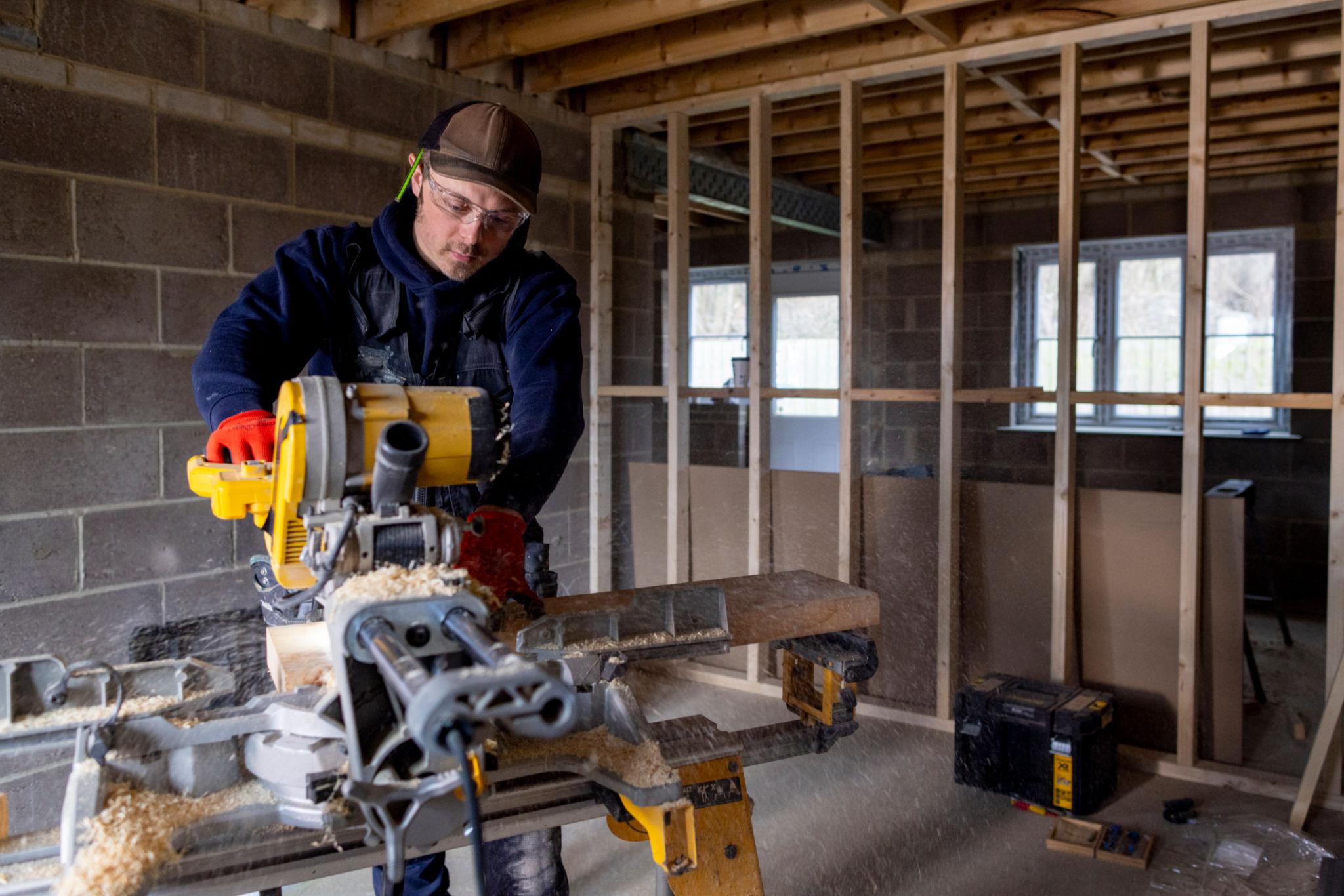
Common Power Tool Wattage Chart
These numbers are general estimates. Actual power draw depends on the tool model, motor efficiency, blade condition, battery charger demand, and how hard the tool is working.
Important note: Actual wattage can vary by tool model, blade sharpness, motor size, material thickness, and working load.
| Tool | Running Watts | Starting / Surge Watts | Difficulty for Generator |
|---|---|---|---|
| Battery Drill Charger | 100–300W | Low surge | Easy |
| Corded Drill | 600–900W | 900–1200W | Easy to Moderate |
| Circular Saw | 1200–1800W | 1800–2200W+ | Moderate |
| Table Saw | 1500–2000W | 2000–3000W+ | Moderate to Heavy |
| Miter Saw | 1400–1800W | 1800–2400W+ | Moderate |
| Air Compressor | 1000–2000W | 2000–4000W+ | Heavy |
Tool Comparison: What’s Easy and What’s Risky?
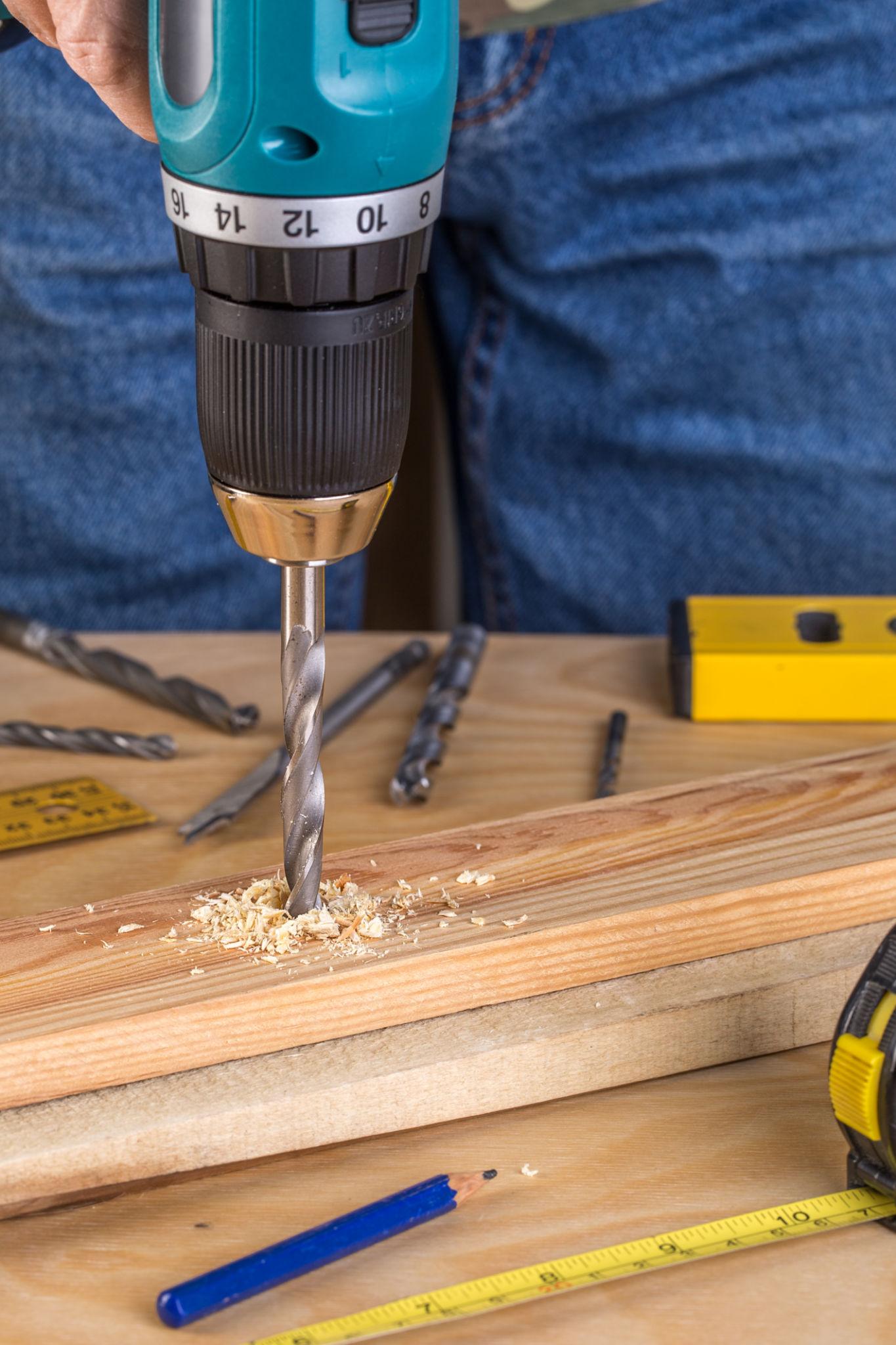
Battery Powered Drill
Usually the easiest option. If you are only charging batteries, the power demand is low. This is rarely a problem for even a smaller inverter generator.
Circular Saw
A circular saw is doable with the right generator, but it is not “light duty” from a power standpoint. Startup surge and cutting load both matter.

Table Saw
This is where undersized generators start getting exposed. A table saw may run on paper, but binding wood, hard starts, and additional tools can overwhelm a smaller unit.
Why Generators Struggle With Tools Even When the Wattage Looks Fine
- Startup surge: motors often need more power for the first second or two than they do while running.
- Dull blades: a struggling blade forces the motor to work harder and draw more power.
- Thicker cuts: cutting denser or thicker material can push a tool above its “easy” load range.
- Multiple loads at once: running lights, chargers, refrigerators, or other tools at the same time adds up fast.
- Extension cord issues: undersized or overly long extension cords can cause voltage drop and poor tool performance.
Real-World Examples
- Small inverter generator: good for battery chargers, lights, small electronics, and maybe a light-duty corded tool.
- Mid-size portable generator: often enough for a circular saw or miter saw, depending on startup surge and what else is running.
- Larger portable generator: much more realistic for table saws, air compressors, and multiple simultaneous loads.
Before You Buy: Calculate Your Load
If you are trying to run power tools plus lights, battery chargers, a refrigerator, or other home essentials during an outage, guessing is how people overload generators.
Use the Load CalculatorBest Generator Types for Power Tools
The best generator depends on whether you care most about portability, startup capacity, cleaner power, fuel flexibility, or running multiple loads at once.
Inverter Generator
Best for quieter operation, lighter tools, battery charging, and cleaner power output. Great for convenience, but not always ideal for heavy surge loads.
See Recommended Portable Generators →Mid-Size Portable Generator
A strong middle ground for homeowners who may want to run saws, small appliances, lights, and emergency repair tools during outages.
See Budget-Friendly Picks →Higher Output Portable Generator
Better for table saws, air compressors, larger startup surges, and running more than one serious load at a time.
See What Different Generator Sizes Can Run →Recommended Generators by Tool Demand
Best for Light Tool Use
Ideal for battery chargers, lights, and smaller power demands.
Best if you want quiet power for chargers, lights, and light-duty tool use without overbuying.
Check PriceBest for Circular Saw + General DIY Use
Better for moderate surge loads and more realistic DIY work.
A better fit if you want more headroom for saw startup and everyday home project use without jumping to a much larger generator.
Check PriceBest for Table Saw + Heavy Loads
More headroom for startup surge, thicker cuts, and multi-load situations.
Best if you want one generator that can handle heavier tools and outage backup at the same time.
Check PriceFrequently Asked Questions
Can a 2000-watt generator run a circular saw?
Sometimes, but it depends on the saw’s startup surge and how hard the tool is working. A smaller generator may run a circular saw under light conditions, but thicker cuts or added loads can push it past its limit.
Can a portable generator run a table saw?
Yes, but table saws usually need more headroom than smaller tools. Startup surge, heavier cutting, and running multiple loads at once can quickly expose an undersized generator.
Do power tools need startup watts?
Yes. Many power tools with motors need extra wattage when they first start. That startup surge is often why a generator that looks adequate on paper still struggles in real use.
Can I run power tools and a refrigerator at the same time?
Sometimes, but you need to add both the running watts and startup surge together. This is exactly why a load calculator matters before buying or connecting a generator.
Is an inverter generator enough for DIY tools?
For lighter DIY use, battery chargers, and some smaller tools, yes. For heavier saws, air compressors, or multiple simultaneous loads, a larger conventional or higher-output generator is often the better fit.
Final Take
A generator for power tools can absolutely make sense — especially for storm cleanup, emergency repairs, detached garages, rural properties, and DIY home projects during outages. But you cannot judge it by running watts alone.
The safest move is to size your generator for startup surge + real working load + any other appliances you may run at the same time. That is where homeowners get into trouble.