What Size Generator for Central Air Conditioning?
Central air conditioning is one of the hardest household loads for a generator to run. The issue usually is not just the normal running wattage — it is the large startup surge when the compressor kicks on.
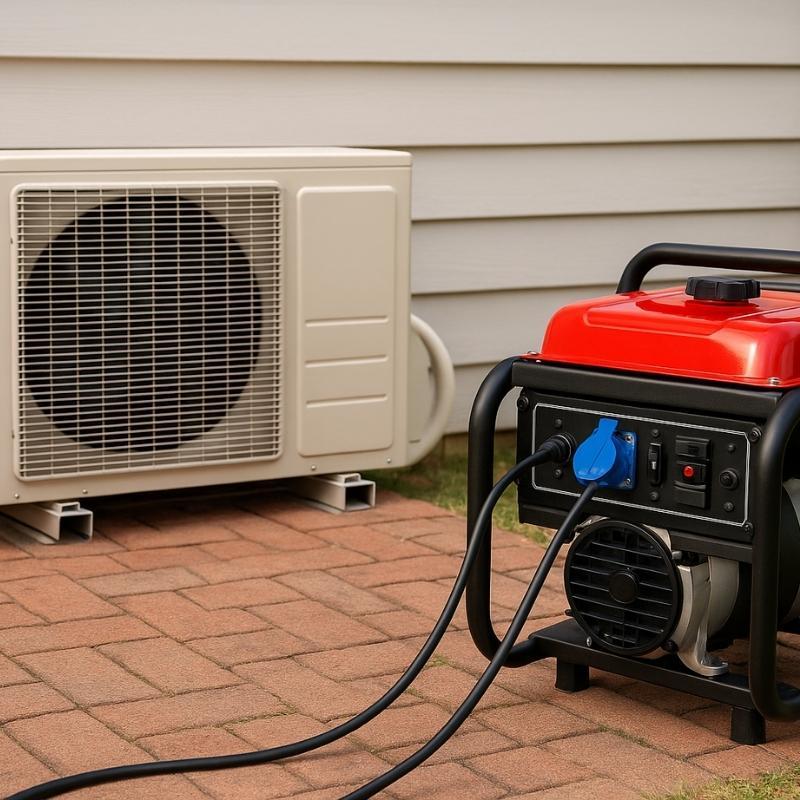
When homeowners shop for a generator, central air conditioning is usually the biggest question.
Not the refrigerator. Not the lights. Not the internet. The real challenge is often the AC compressor.
A central air conditioner can pull a large surge of power when it starts. That short burst can be several times higher than the unit’s normal running wattage. This is why some generators that look big enough on paper still overload, bog down, or trip when the air conditioner starts.
This guide explains:
- How to estimate generator size for central AC
- Why startup watts matter
- What size portable generator may run different AC systems
- When a soft starter helps
- Common mistakes homeowners make
Why Central Air Is Difficult for Generators
Most household appliances use fairly steady power once they are running. Central air conditioning is different.
When the compressor starts, it can briefly pull a large amount of current. This is called startup surge or inrush current. The surge may only last a short time, but the generator still has to handle it.
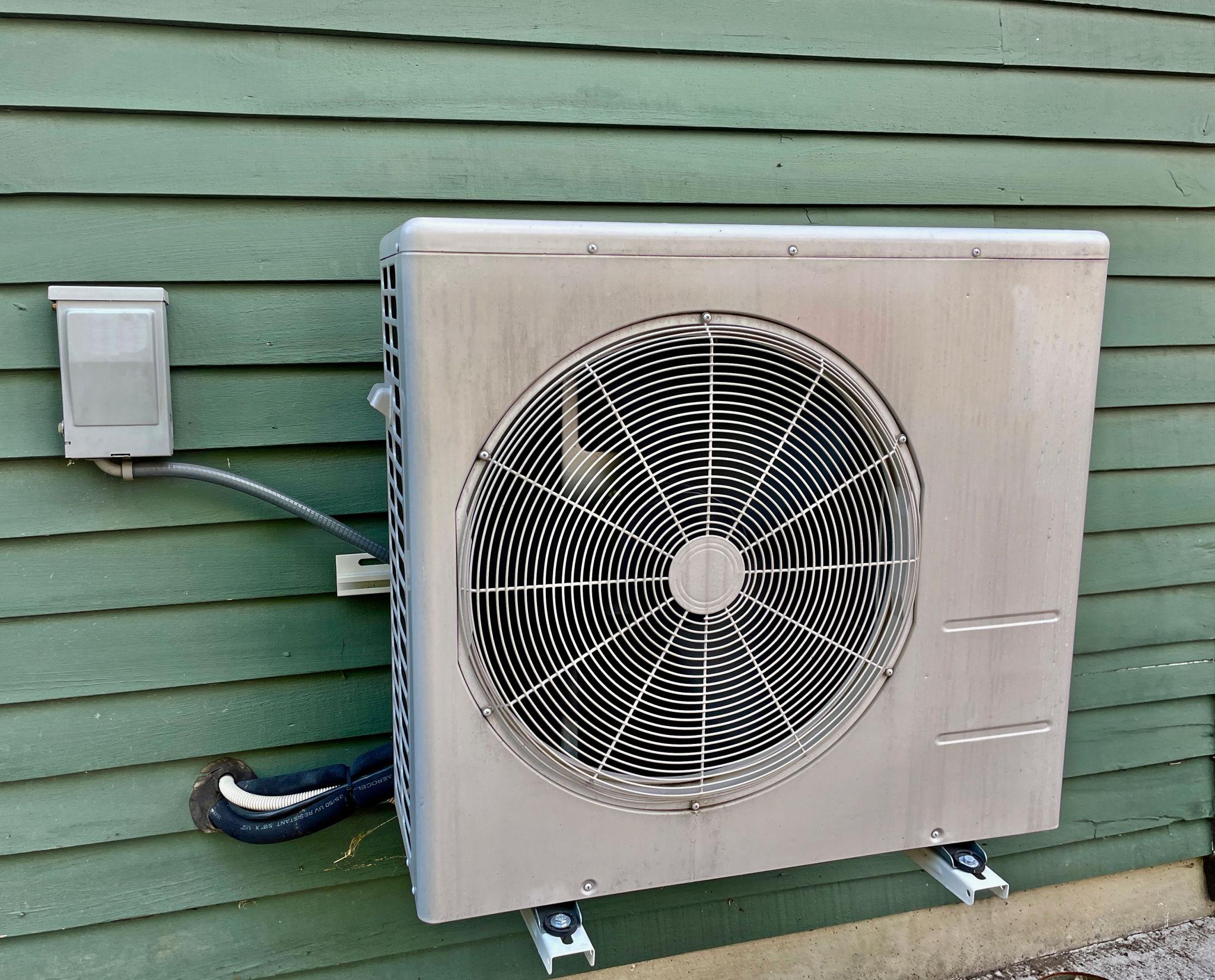
| Central AC Size | Approx. Running Watts | Approx. Startup Watts |
|---|---|---|
| 2 Ton AC | 2,000–3,500 watts | 5,000–7,000 watts |
| 3 Ton AC | 3,000–4,500 watts | 7,000–10,000 watts |
| 4 Ton AC | 4,000–6,000 watts | 10,000–14,000 watts |
| 5 Ton AC | 5,000–7,500 watts | 12,000–18,000 watts |
These numbers are estimates. Actual wattage depends on the AC unit, compressor type, age, efficiency rating, outdoor temperature, blower motor, and whether a soft starter is installed.
Running Watts vs Starting Watts
A generator may advertise two different wattage numbers:
- Running watts: the power the generator can supply continuously
- Starting watts: the short burst of power available for motor startup
For example, a generator may be rated for 8,000 running watts and 10,000 starting watts. That does not mean it can continuously power a 10,000-watt load. The higher number only applies briefly.
Central AC compressors are one of the largest motor loads in a typical home. If the compressor startup surge is too high, the generator may struggle even if the running watts look acceptable.
Important: Many homeowners size a generator based only on running watts. That is the mistake. With central air conditioning, startup watts are usually the deciding factor.
What Size Generator Usually Runs Central Air?
3,000–5,000 Watt Generators
These are usually not enough for central air conditioning.
Small portable generators are better for essentials like refrigerators, freezers, lights, internet equipment, fans, and possibly a small window air conditioner.
7,500–10,000 Watt Generators
This range may run smaller central AC systems under the right conditions.
A 7,500–10,000 watt portable generator may be realistic for some 2-ton systems and some efficient 3-ton systems, especially if the home uses load management or the AC has a soft starter installed.
10,000–15,000 Watt Generators
This range is more realistic for many homes that want to run central air conditioning from a portable generator.
Large portable generators may handle many 3-ton systems and some 4-ton systems, depending on startup surge and what else is running in the home.
14kW–26kW+ Standby Generators
Whole-house standby generators are usually the most reliable option for running central air conditioning, especially larger 4-ton and 5-ton systems.
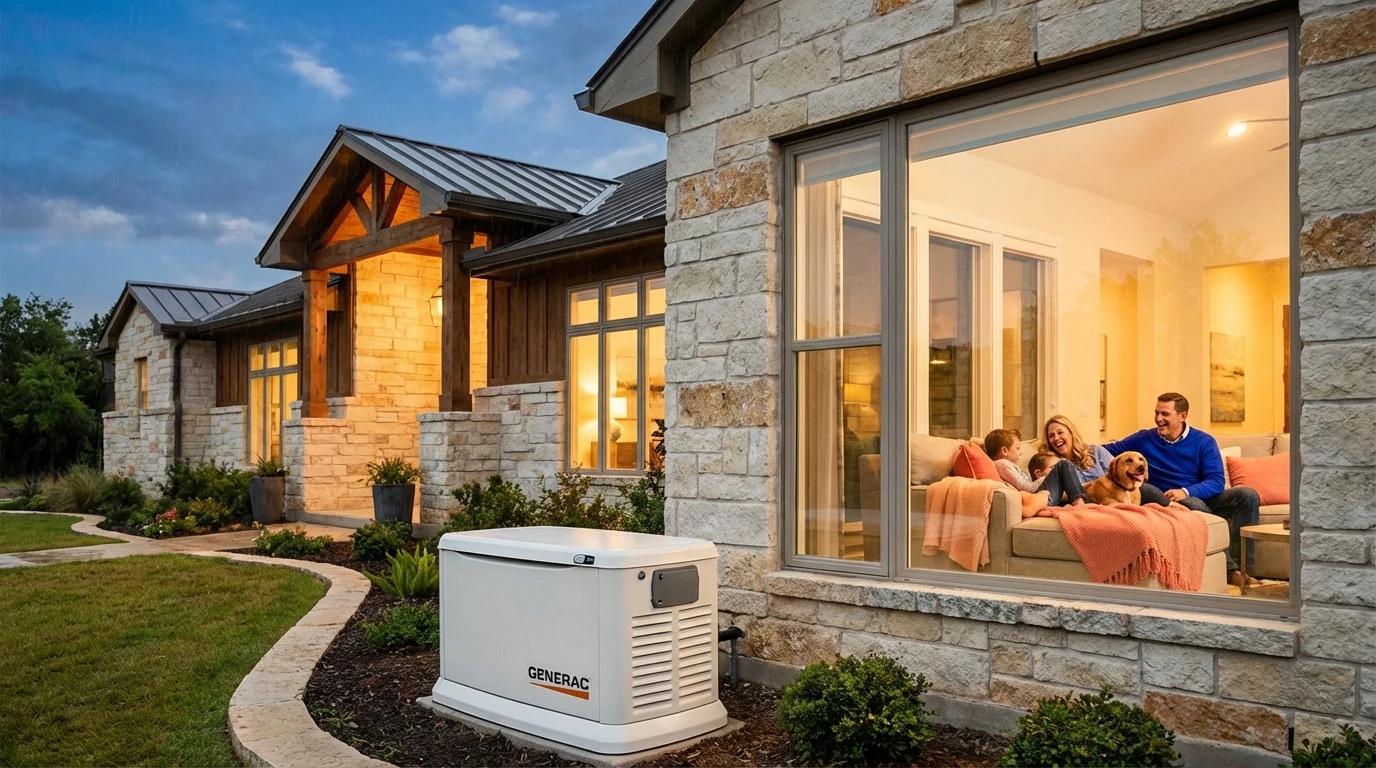
Standby systems are designed to start automatically, handle larger household loads, and support bigger HVAC equipment more consistently.
What Is a Soft Starter?
A soft starter reduces the startup surge of an AC compressor. Instead of the compressor demanding a large power spike all at once, the startup is smoother and easier on the generator.
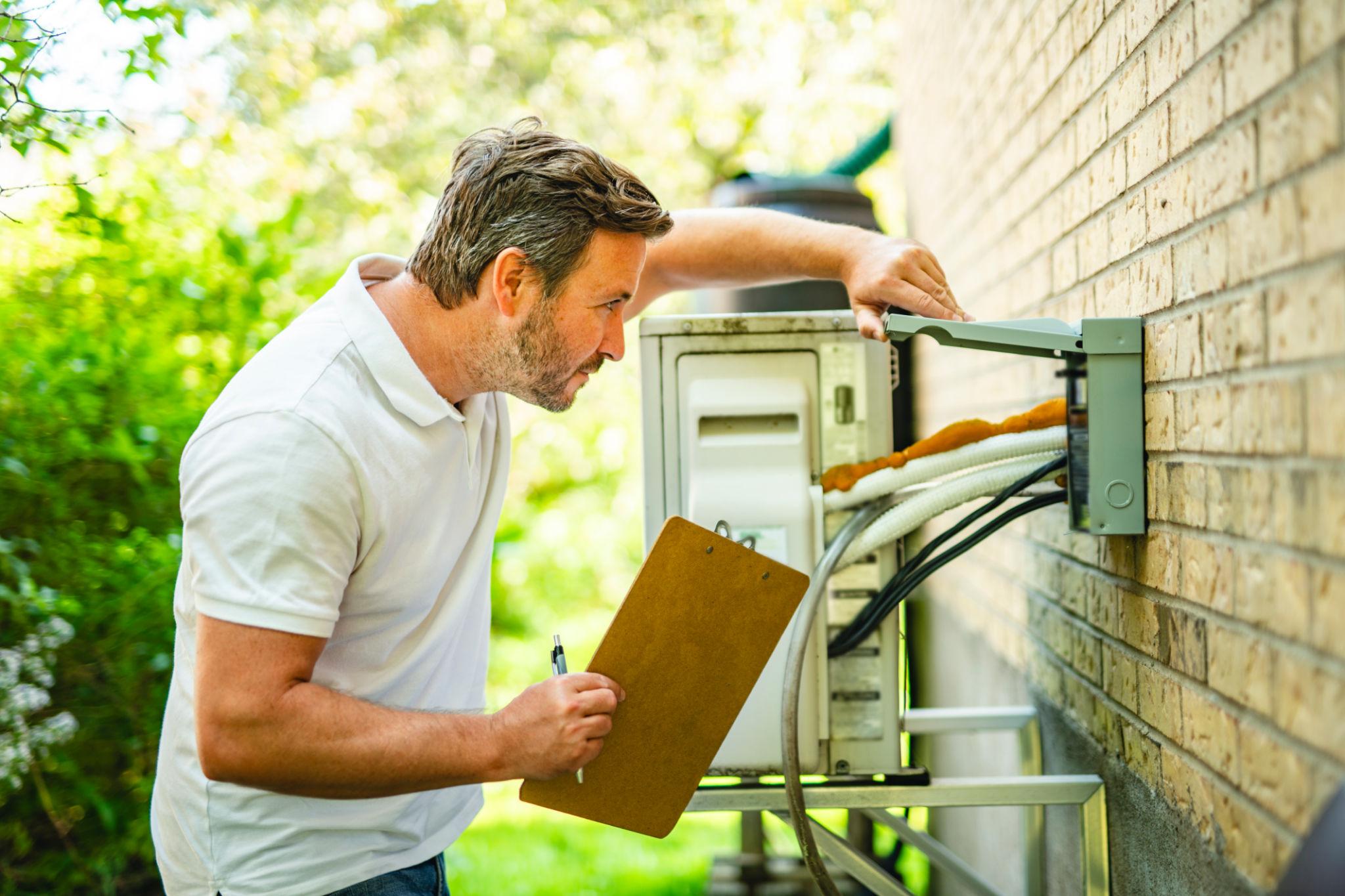
In some setups, a soft starter can reduce AC startup surge by a significant amount. This may allow a generator to start an air conditioner that would otherwise overload it.
Example: A 3-ton central AC system that normally needs 9,000–10,000 startup watts may become easier to start on a properly sized generator after a soft starter is installed.
A soft starter does not magically make a tiny generator run a large air conditioner. But it can make a major difference when the generator is close to being large enough.
How to Find Your AC Power Requirements
1. Check the Outdoor AC Nameplate
Look at the data plate on the outdoor condenser unit. You may see numbers such as:
- LRA: Locked Rotor Amps
- RLA: Rated Load Amps
- MCA: Minimum Circuit Ampacity
- Max Fuse or Breaker: Maximum overcurrent protection
LRA is especially important because it gives a clue about compressor startup demand.
2. Use a Load Calculator
If you are trying to estimate your whole-home backup power needs, use a load calculator to add up the appliances and circuits you actually want to run.
Use the Backup Power Explained Load Calculator
3. Ask an Electrician or HVAC Technician
An electrician or HVAC professional can measure startup current, inspect your generator connection setup, evaluate your electrical panel, and determine whether a soft starter or load management strategy makes sense.
Common Generator Sizing Mistakes
Ignoring Startup Surge
This is the biggest mistake. A generator may run the AC after it starts, but fail when the compressor first kicks on.
Forgetting Other Loads
The AC is not the only thing using power. Refrigerators, sump pumps, lights, well pumps, microwaves, furnace blowers, and electronics all add to the load.
Assuming Bigger Is Always Better
Bigger generators cost more, burn more fuel, and are often louder. Sometimes a smarter setup with load management and a soft starter is better than simply buying the largest generator possible.
Using Unsafe Connection Methods
Never connect a generator to a home through a dryer outlet, homemade cord, or unsafe backfeed method.
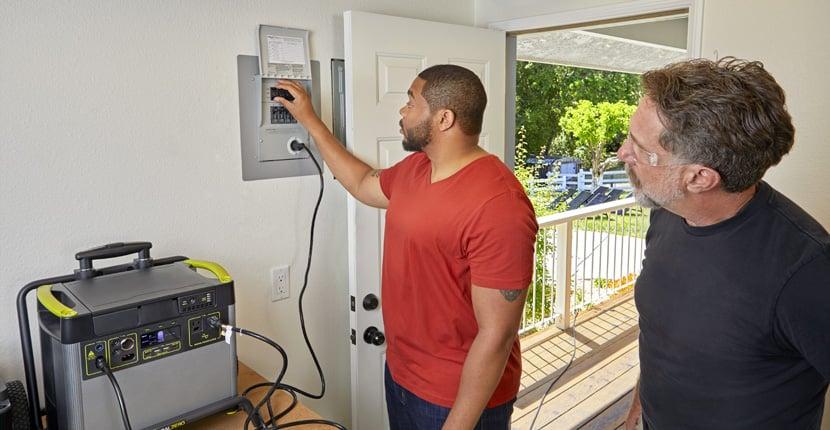
Safety warning: Improper generator connections can create fire hazards, damage equipment, and endanger utility workers. Use a properly installed transfer switch, interlock kit, or approved generator inlet setup.
Portable Generator vs Standby Generator for Central AC
| Feature | Portable Generator | Standby Generator |
|---|---|---|
| Lower upfront cost | Usually yes | No |
| Automatic startup | No | Yes |
| Runs large central AC better | Limited | Usually yes |
| Fuel storage | Gasoline or propane planning needed | Often natural gas or propane |
| Whole-house backup | Possible but limited | Common |
So, What Size Generator Do You Need?
For many homes, the rough answer looks like this:
- 2-ton central AC: often 7,500–10,000 watts, depending on surge
- 3-ton central AC: often 9,000–12,000+ watts, especially without a soft starter
- 4-ton central AC: often 12,000–15,000+ watts or standby generator territory
- 5-ton central AC: usually large standby generator territory
These are not guarantees. The real answer depends on your specific AC unit, startup current, generator rating, fuel type, altitude, temperature, and what other loads are running at the same time.
Need Help Estimating Your Generator Size?
Before buying a generator, add up the actual loads you want to power. Central air conditioning can change the entire sizing calculation because of compressor startup surge.
Start here: Use the Backup Power Explained Load Calculator
Final Thoughts
Central air conditioning is one of the most demanding residential loads for a generator. The problem is usually not just the running wattage — it is the compressor startup surge.
Smaller portable generators are usually best for essentials only. Mid-size and large portable generators may run some central AC systems, especially with load management or a soft starter. Larger homes with bigger AC units often need a standby generator for reliable whole-house cooling during outages.
The smartest move is to size the system based on your real equipment, not guesswork. Check the AC nameplate, consider startup surge, use a load calculator, and work with a qualified electrician or HVAC professional when connecting a generator to your home.