
What Size Generator for a Well Pump?
A well pump can be one of the most important appliances during a power outage — especially if your home depends on well water for drinking, toilets, showers, cooking, or livestock. But many homeowners underestimate how much power a well pump actually needs to start.
In this guide, we’ll break down:
- Typical wattage requirements for well pumps
- Starting watts vs running watts
- How to determine your pump size
- Generator sizing examples
- Portable vs standby generator considerations
- Safe connection methods for backup power
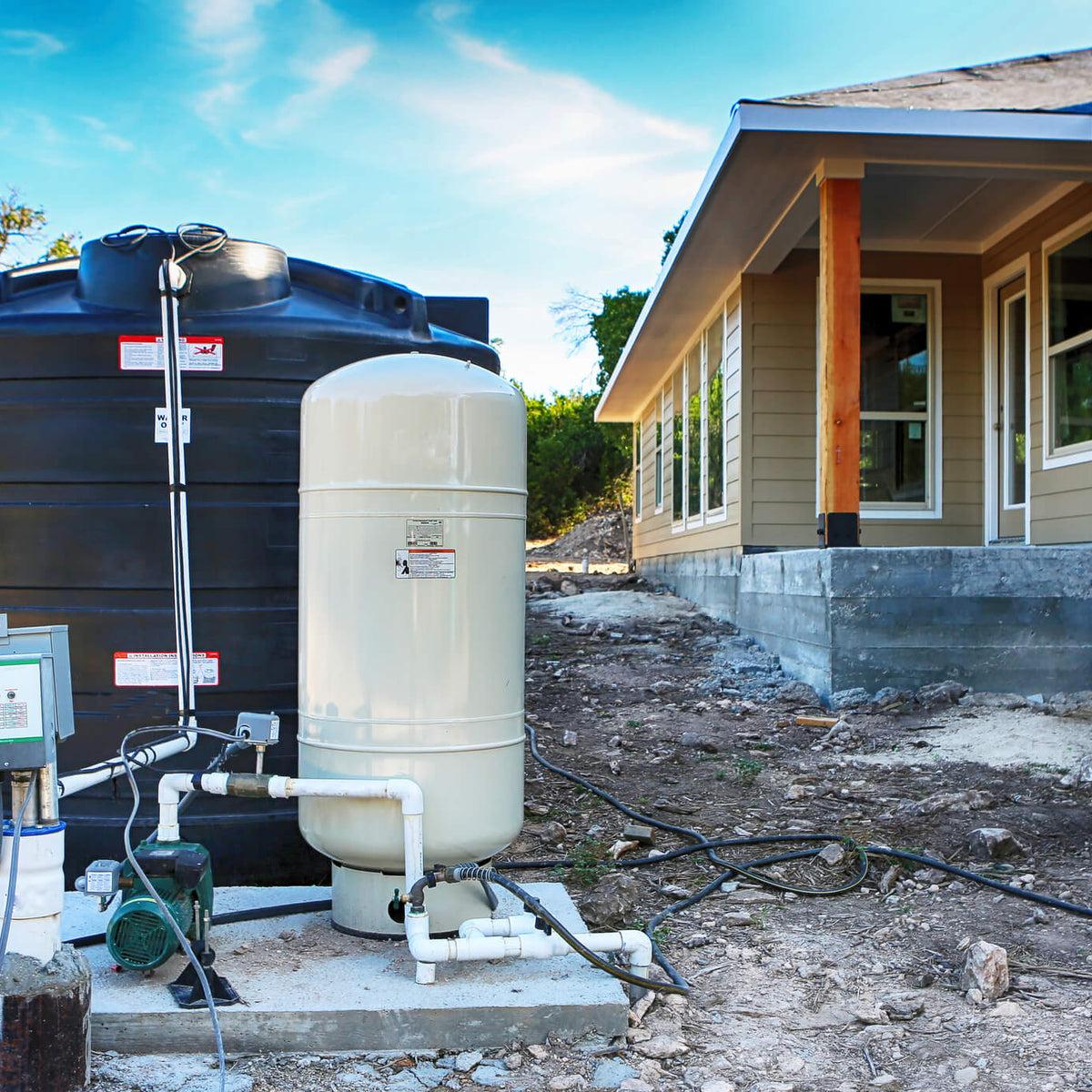
Why Well Pumps Need More Power Than Expected
Most well pumps use electric motors. Electric motors require a large surge of electricity for a few seconds during startup. This is commonly called starting watts or surge watts.
Once the motor is running, power demand drops significantly to normal operating power — called running watts.
This startup surge is one of the main reasons generators overload when homeowners assume only the running wattage matters.
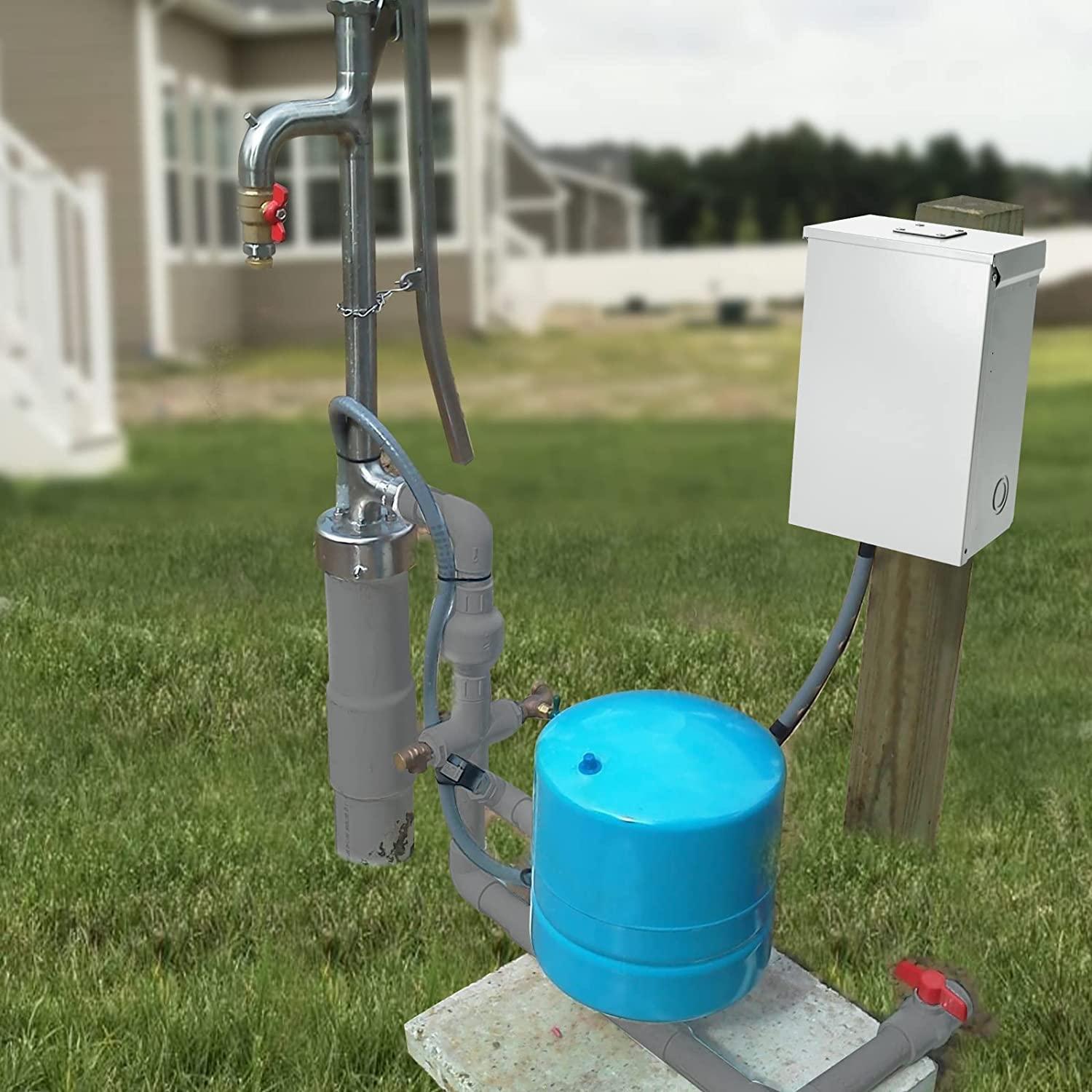
Typical Generator Size for Common Well Pumps
| Well Pump Size | Running Watts | Starting Watts | Recommended Generator |
|---|---|---|---|
| 1/2 HP | 1,000W | 2,000–3,000W | 3,500W generator |
| 3/4 HP | 1,500W | 3,000–4,500W | 5,000W generator |
| 1 HP | 2,000W | 4,000–6,000W | 7,500W generator |
| 1.5 HP | 2,500–3,000W | 6,000–8,500W | 10,000W+ generator |
Actual power usage varies based on pump depth, voltage, age, pressure settings, wire length, and whether the pump is a shallow well or deep well system.
How to Determine Your Well Pump Size
The easiest way to determine your generator requirements is to identify the horsepower rating of your well pump motor.
You can often find this information:
- On the pump control box
- On the pressure switch label
- Inside the electrical panel labeling
- On the original pump documentation
- On the well contractor invoice or installation paperwork
Many residential homes use 1/2 HP, 3/4 HP, or 1 HP well pumps.
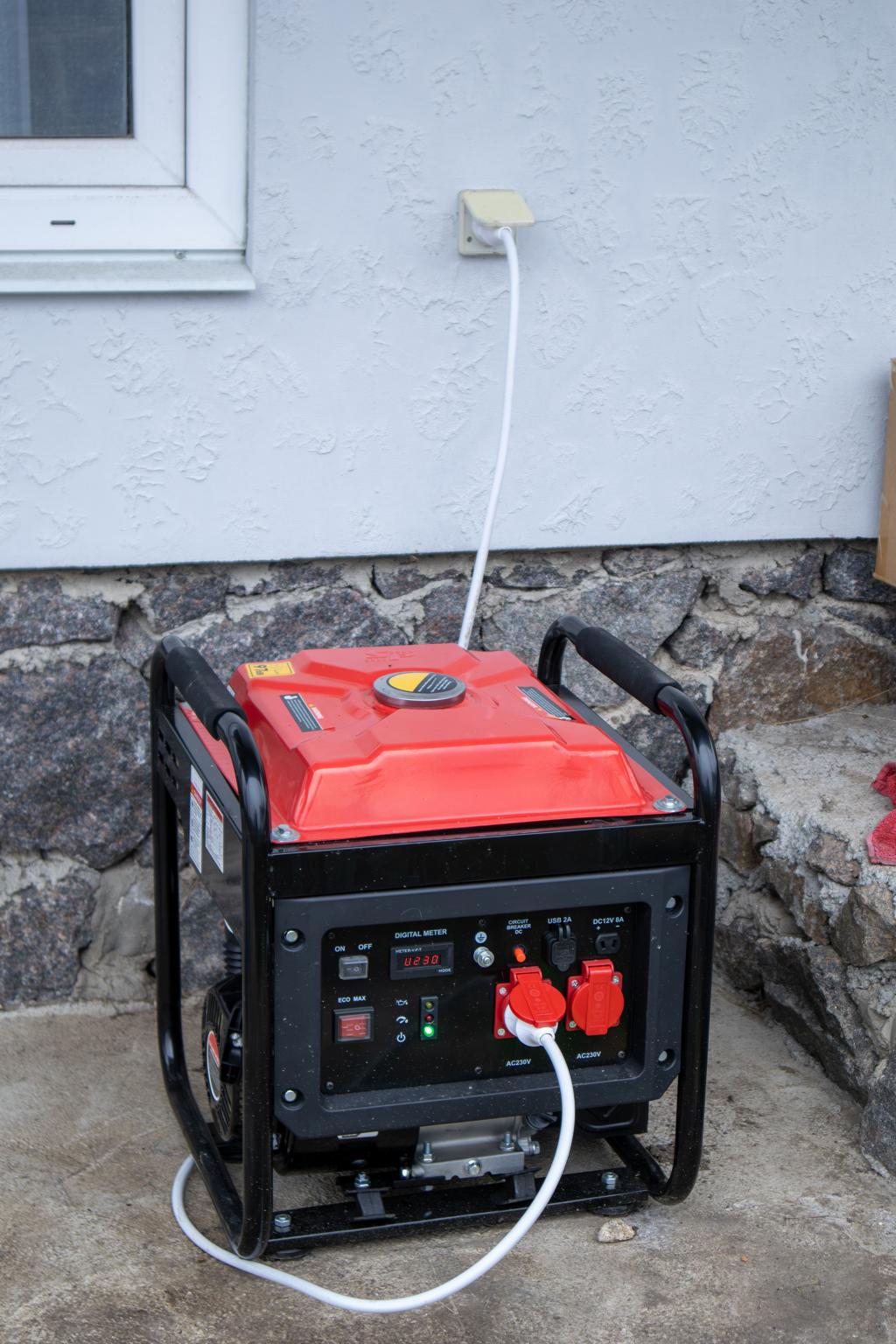
Portable vs Standby Generators for Well Pumps
Portable Generators
Portable generators are commonly used to power well pumps during temporary outages. However, generator sizing matters because startup surge can quickly overload smaller units.
A portable generator may be practical if:
- You only need water and a few essential appliances
- Your pump is relatively small
- You manually connect the generator during outages
- You want lower upfront cost
Standby Generators
Standby generators automatically start during outages and are often sized to power the entire home — including the well pump, HVAC system, refrigerator, lights, and additional circuits.
They are generally more expensive but offer greater convenience and automatic operation.
Safe Ways to Connect a Generator to a Well Pump
There are several safe ways homeowners connect backup generators to well pump systems:
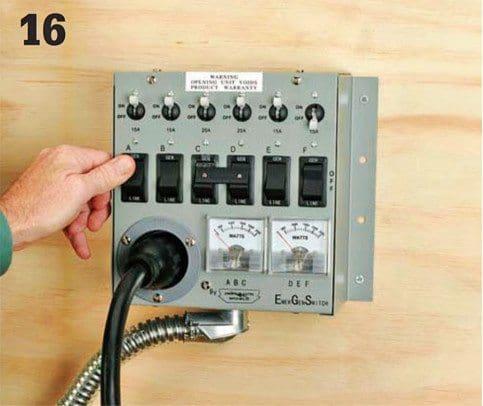
- Manual transfer switches
- Interlock kits
- Dedicated generator inlet boxes
- Professionally installed standby generator systems
Improper generator connections can create dangerous backfeeding conditions that may injure utility workers, damage equipment, or create fire hazards.
Never attempt to power a well pump by backfeeding through dryer outlets or homemade cord setups.
Important Safety Considerations
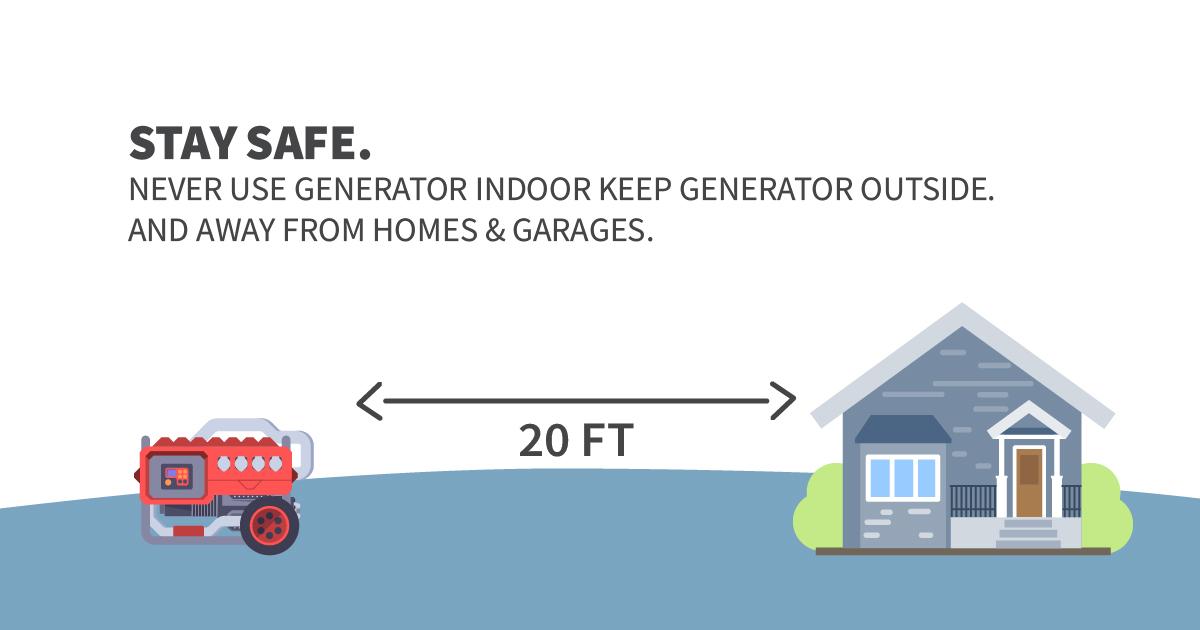
- Never run a portable generator inside a garage or enclosed structure
- Keep generators away from doors, windows, and vents
- Use properly sized extension cords and inlet wiring
- Follow local electrical code requirements
- Have transfer equipment installed by a qualified electrician when needed
- Verify your generator can handle startup surge before outages occur
Final Thoughts
Most residential well pumps require more generator capacity than homeowners initially expect because electric motors draw a large startup surge during operation.
In many cases, a properly sized 5,000–7,500 watt generator can handle common residential well pumps and a few essential household loads. Larger deep well systems may require substantially more capacity.
Before purchasing a generator, verify your well pump horsepower, startup requirements, voltage, and intended household loads so you do not overload the system during an outage.