
Generator Runs But House Has No Power (10 Common Causes + Fixes)
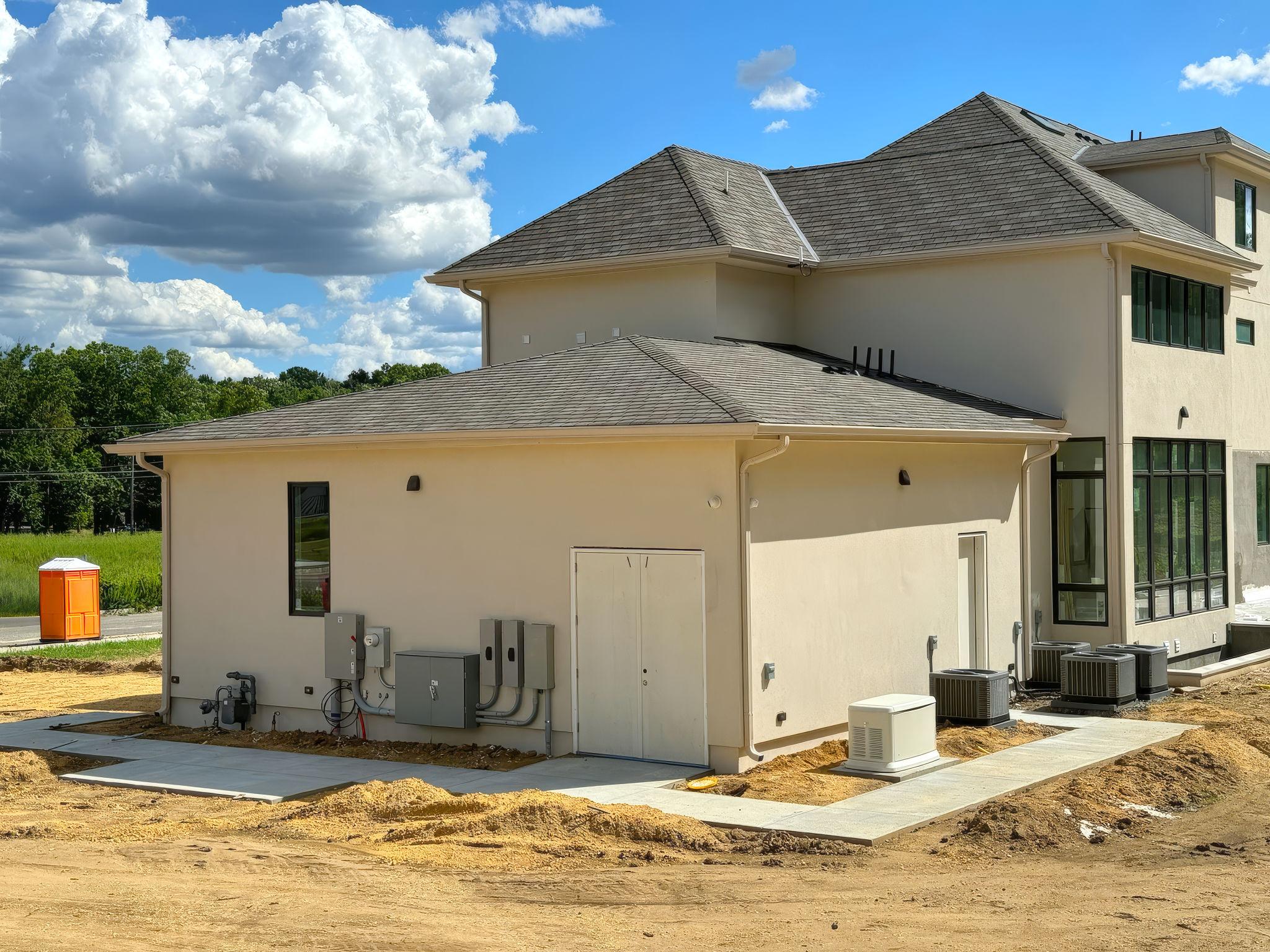
Few things are more frustrating during a power outage than hearing your generator running normally — but your house still has no power. In many cases, the issue is not the generator engine itself. The problem is usually somewhere between the generator, cord, inlet box, transfer switch, interlock kit, breaker panel, or appliance load.
This guide walks through the most common reasons a generator runs but does not power the house — and what to check first.
Quick Troubleshooting Checklist
If your generator is running but your house still has no power, work through these checks in order before assuming the generator has failed.
- Verify the generator breaker is ON.
- Verify the main utility breaker is OFF.
- Check that the interlock kit is fully engaged.
- Inspect the generator cord and inlet connection.
- Verify the transfer switch is fully switched over.
- Check whether only half the house has power.
- Turn off large appliances and reset the generator.
- Reconnect loads one circuit at a time.
Safety note: If you smell burning, see melted wiring, hear buzzing from the panel, or are unsure how the generator is connected, stop and call a licensed electrician.
1. Your Main Breaker Is Still On
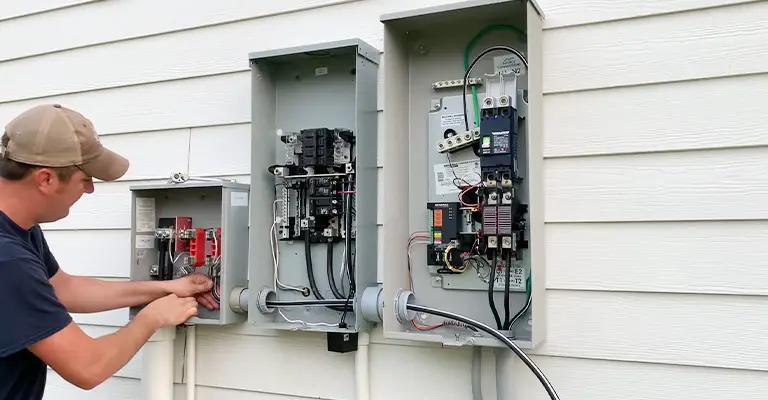
One common problem happens when the utility main breaker was never turned off before attempting generator power. Many interlock systems physically prevent the generator breaker from turning on unless the main breaker is off.
How to Fix It
- Turn off large loads inside the home.
- Turn the generator breaker OFF.
- Turn the main utility breaker fully OFF.
- Slide the interlock into the generator position.
- Turn the generator breaker ON.
- Reconnect loads one at a time.
2. Your Transfer Switch Is Not Fully Engaged
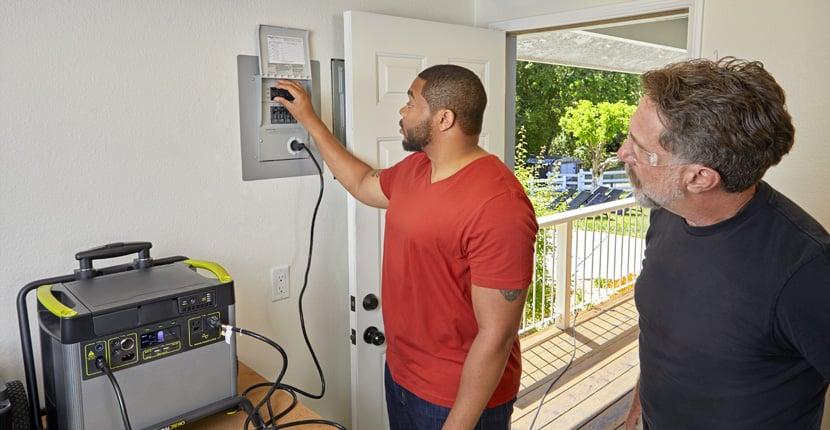
Manual transfer switches sometimes look like they are switched over, but the handle or circuit selector may not be fully seated. This can leave some or all circuits disconnected from generator power.
How to Fix It
- Turn off branch circuits before switching.
- Move the transfer switch firmly into generator position.
- Make sure it is not sitting halfway between utility and generator mode.
- Turn on only the circuits you need first.
- If power still does not transfer, shut everything down and inspect the switch connection.
3. Generator Cord Problems
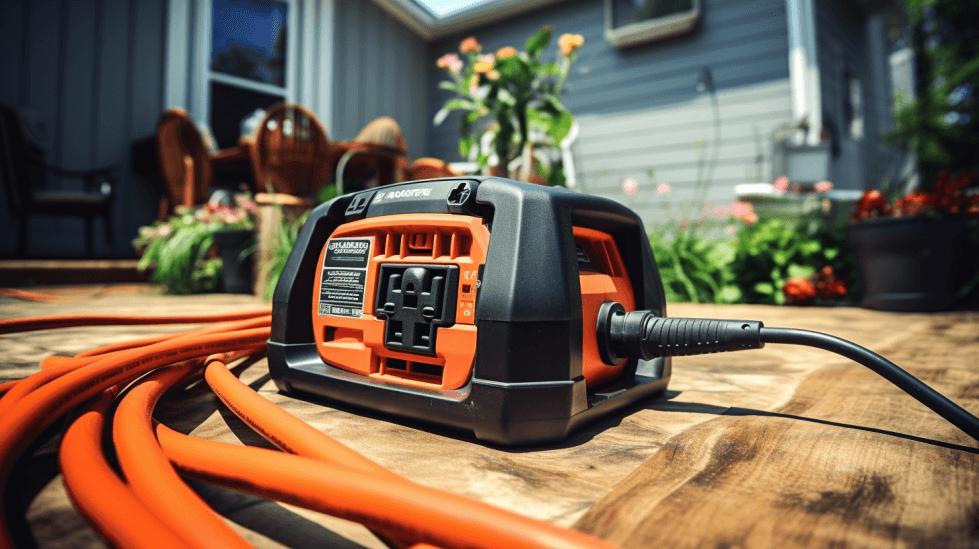
A generator can run normally while power never reaches the house if the cord is damaged, undersized, not fully locked into the inlet, or mismatched to the generator outlet.
How to Fix It
- Shut down the generator.
- Inspect the cord for cuts, burns, melted areas, or loose ends.
- Make sure the plug is fully inserted and twist-locked.
- Confirm the cord matches your inlet amperage, such as 30 amp or 50 amp.
- Do not use a damaged cord during an outage.
4. Your Generator Breaker Has Tripped
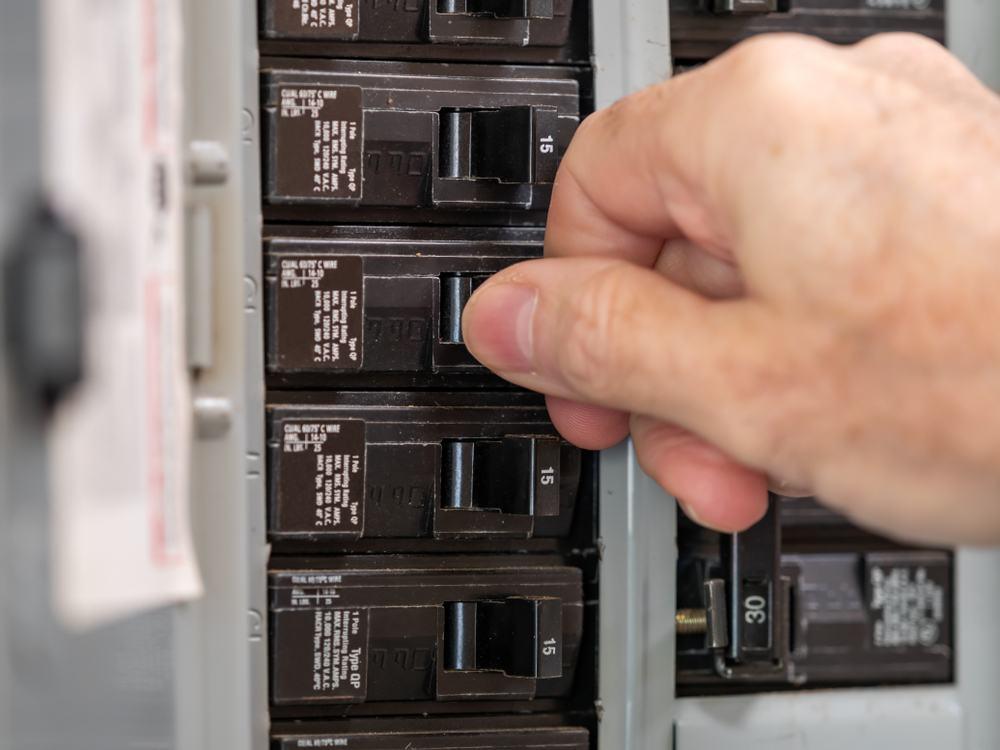
Portable generators commonly trip breakers when startup loads exceed capacity. Well pumps, refrigerators, sump pumps, air conditioners, microwaves, and electric heaters can all create sudden surge loads.
How to Reset a Tripped Generator Breaker
- Turn off heavy appliances inside the house.
- Find the breaker directly on the generator.
- Push the breaker fully OFF first.
- Reset the breaker back to ON.
- Restart the generator if needed.
- Add loads back one circuit at a time.
If the breaker trips again, your generator may be overloaded or one appliance may be creating too much startup surge.
5. Only Half the House Has Power
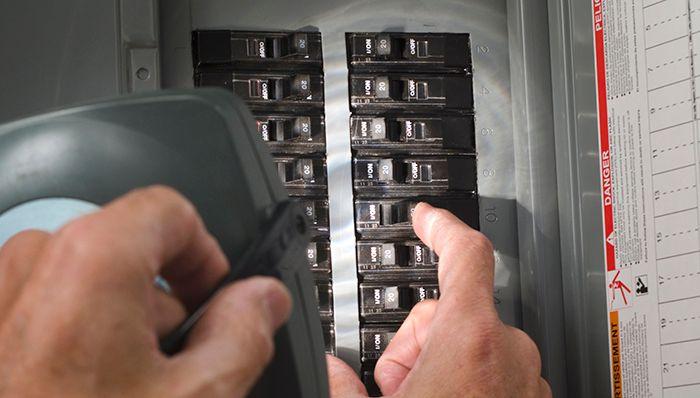
If only certain rooms or circuits work, the issue may involve a missing 120V leg, damaged cord, loose inlet connection, generator voltage problem, or improper 120V/240V setup.
What This Usually Means
- One hot leg may not be reaching the panel.
- The generator cord may be damaged internally.
- The inlet box may have a loose connection.
- The generator may not be producing full 240V output.
If you are not comfortable testing voltage safely, this is a good point to call an electrician.
6. Well Pump Startup Overload
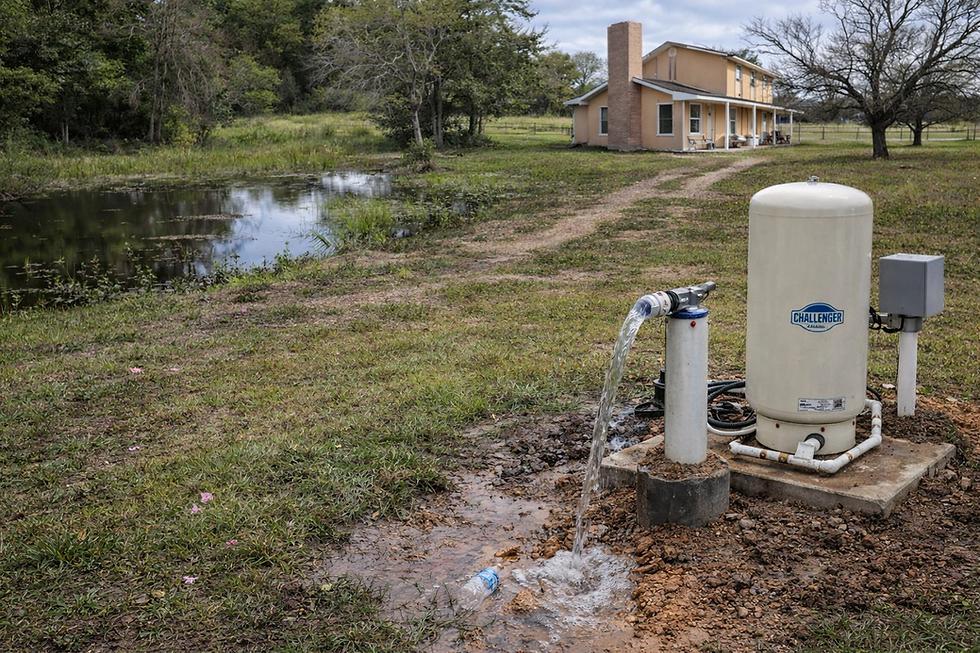
Well pumps can require much higher startup wattage than running wattage. A generator may appear large enough on paper but still bog down, trip, or fail to power the house when the pump starts.
How to Reduce Startup Overload
- Turn off unnecessary circuits first.
- Let the generator warm up and stabilize.
- Start the well pump before adding other large loads.
- Avoid running the well pump, electric heat, microwave, and refrigerator startup at the same time.
- Consider a larger generator if the pump repeatedly trips the system.
7. The Generator Is Overloaded
Sometimes the generator is technically powering the house, but it cannot handle the load you are asking from it. The engine may surge, lights may dim, breakers may trip, or appliances may fail to start.
How to Fix It
- Turn off nonessential circuits.
- Start with refrigerator, furnace blower, sump pump, or well pump only if needed.
- Add lights and outlets after the major appliances are running.
- Avoid electric dryers, electric ovens, large AC units, and electric water heaters unless your generator is sized for them.
8. The Generator Is Not Producing the Correct Voltage
A generator can run smoothly but still fail to produce usable voltage. This can happen because of a bad voltage regulator, damaged outlet, internal wiring issue, overloaded condition, or incorrect generator setting.
What to Check
- Check whether smaller plug-in loads work directly from the generator.
- Verify the generator is set to the correct 120V/240V mode if applicable.
- Listen for engine bogging when loads are connected.
- Have voltage tested if the generator runs but no outlets work.
9. A GFCI or Safety Device Has Tripped
Some generators include GFCI protection or other safety shutoffs. If a GFCI trips, the engine may continue running while the outlet stops sending power.
How to Fix It
- Disconnect all loads from the generator.
- Look for GFCI reset buttons on the generator outlets.
- Press RESET firmly.
- Reconnect one load at a time.
- If it trips again immediately, stop using that cord, appliance, or connection until inspected.
10. The Inlet Box or Panel Wiring Has a Problem
If the generator works directly but does not power the house, the issue may be inside the inlet box, transfer switch, interlock wiring, or breaker panel. Loose connections, wrong wire placement, damaged terminals, or improper installation can all stop power from reaching the circuits.
What to Do
- Do not open the panel unless you are qualified to work inside it.
- Check for obvious damage at the inlet box or cord connection.
- Do not keep resetting breakers if something smells hot or looks burned.
- Call a licensed electrician if the generator works directly but not through the house connection.
Simple Troubleshooting Flow
- Generator runs but house has no power.
- Check generator breaker.
- Check main breaker and interlock position.
- Check transfer switch position.
- Check generator cord and inlet connection.
- Remove heavy loads and reset.
- If only half the house works, suspect a 120V/240V leg problem.
- If nothing works through the house but generator outlets work directly, suspect inlet, transfer switch, or panel wiring.
Final Thoughts
Most generator power problems are caused by setup mistakes, overloaded circuits, transfer switch issues, cord problems, or breaker configuration problems — not generator engine failure.
The best approach is to troubleshoot in order: generator breaker, main breaker, interlock or transfer switch, cord, inlet, loads, and then wiring. If you find signs of heat, damage, buzzing, burning smell, or loose electrical connections, stop and bring in a licensed electrician.