
Solar Generator vs Gas Generator: Which Backup Power Solution Is Right for You?
Power outages can happen at any time. Severe storms, utility failures, equipment breakdowns, and natural disasters can leave homeowners without electricity for hours or even days.
When searching for a backup power solution, many people find themselves choosing between two popular options: solar generators and traditional gas generators.
Both can provide emergency power, but they differ significantly in cost, maintenance requirements, fuel sources, noise levels, and overall performance.
In this guide, we’ll compare solar generators and gas generators side by side to help you determine which option best fits your needs.
What Is a Solar Generator?
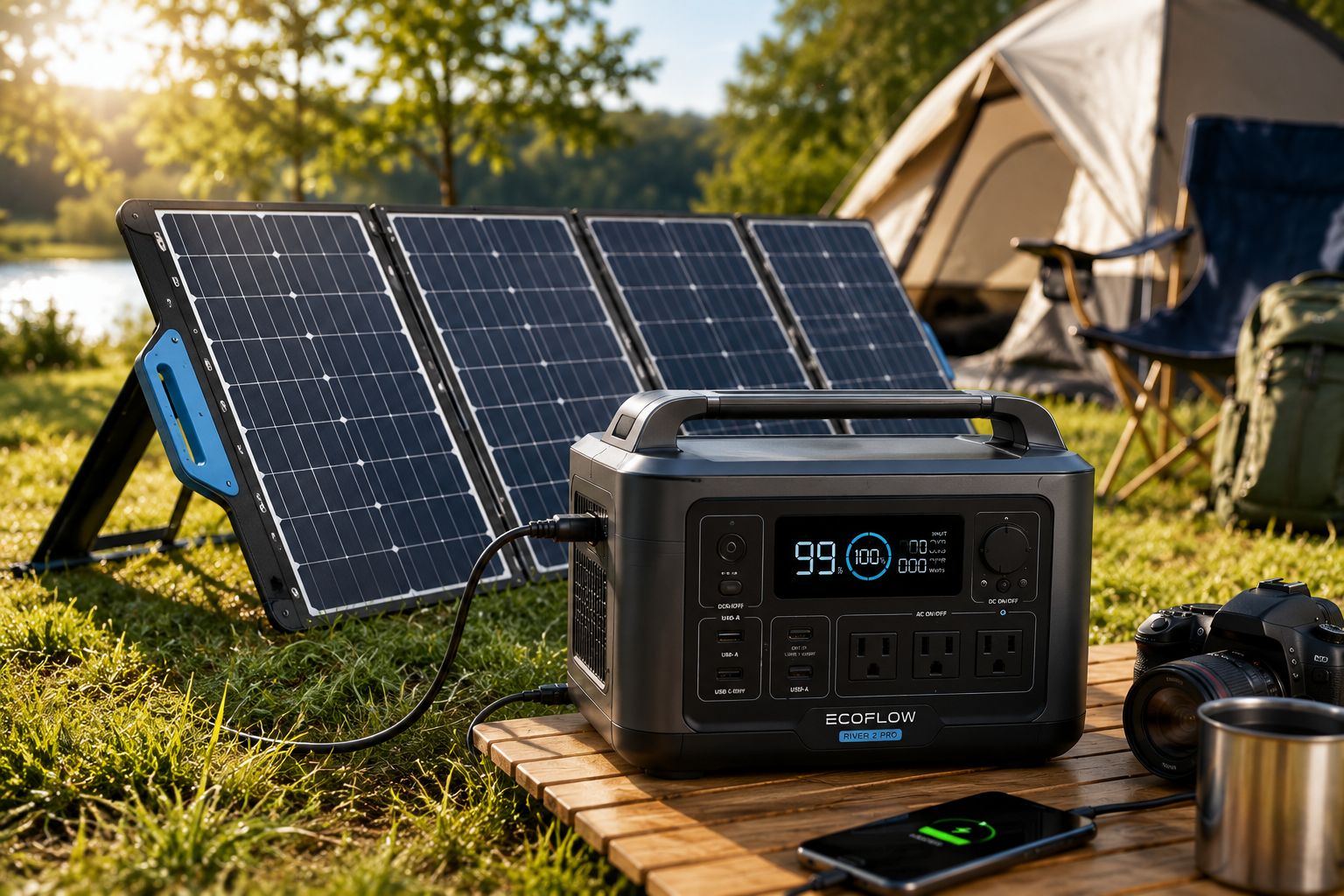
A solar generator is a portable battery power station that stores electricity for later use. Unlike traditional generators, solar generators do not burn fuel to create power.
Instead, they contain:
- Rechargeable lithium batteries
- An inverter that converts DC power to AC household electricity
- Charging ports and outlets
- Optional solar panel inputs
Popular examples include systems from EcoFlow, Jackery, Bluetti, and Anker.
Solar generators can be charged from:
- Wall outlets
- Solar panels
- Vehicle charging systems
Once charged, they provide clean, silent electricity without emissions.
What Is a Gas Generator?
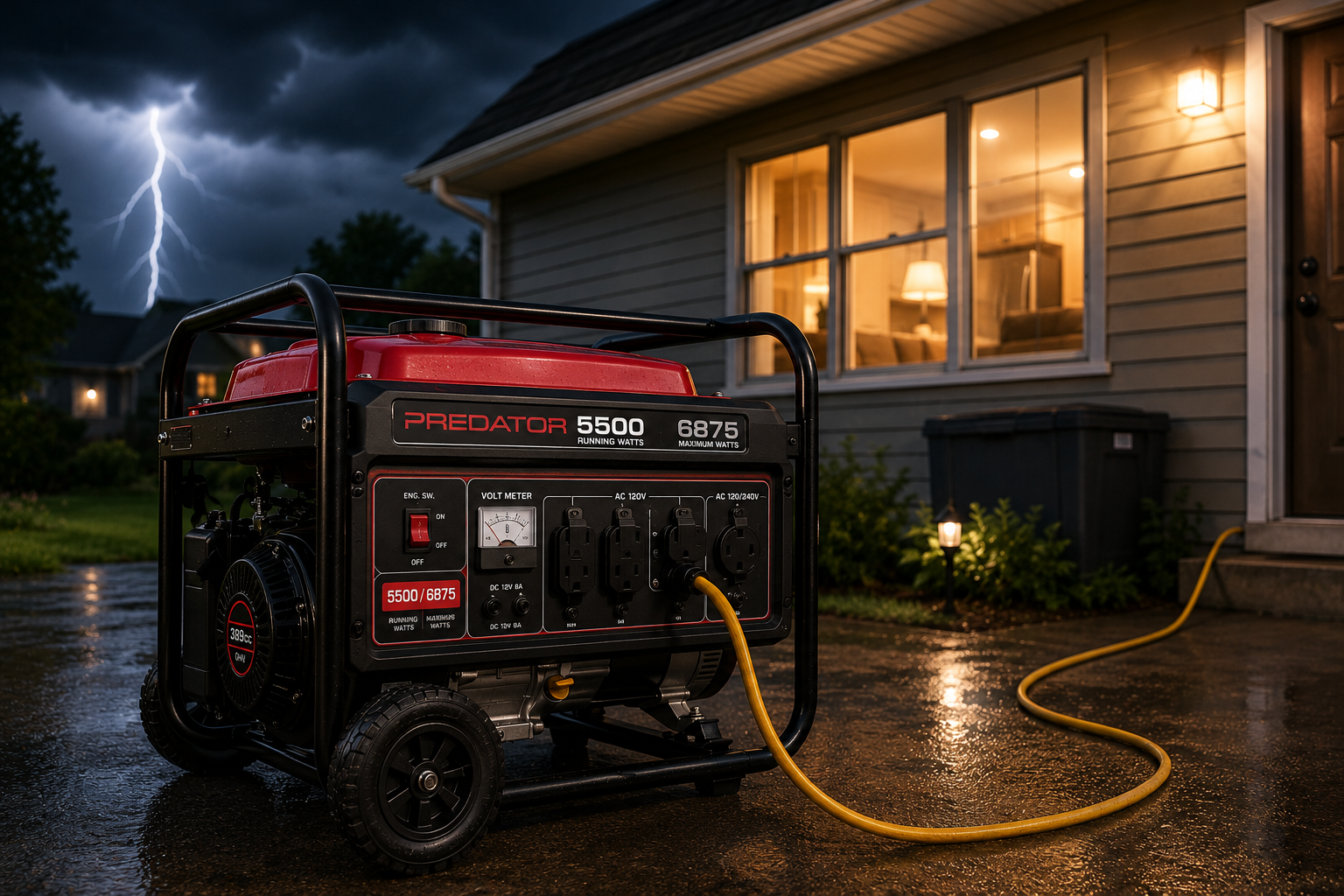
A gas generator uses an internal combustion engine powered by gasoline, propane, or diesel fuel.
When the engine runs, it spins an alternator that produces electricity.
Gas generators are commonly used for:
- Home backup power
- Construction sites
- RV camping
- Emergency preparedness
They can produce significant amounts of power for extended periods as long as fuel is available.
Solar Generator vs Gas Generator Comparison
| Feature | Solar Generator | Gas Generator |
|---|---|---|
| Fuel Source | Battery + Solar Panels | Gasoline, Propane, Diesel |
| Noise Level | Nearly Silent | Moderate to Loud |
| Maintenance | Minimal | Regular Maintenance |
| Indoor Use | Safe | Never |
| Runtime | Battery Capacity | Fuel Availability |
Advantages of Solar Generators
Quiet Operation
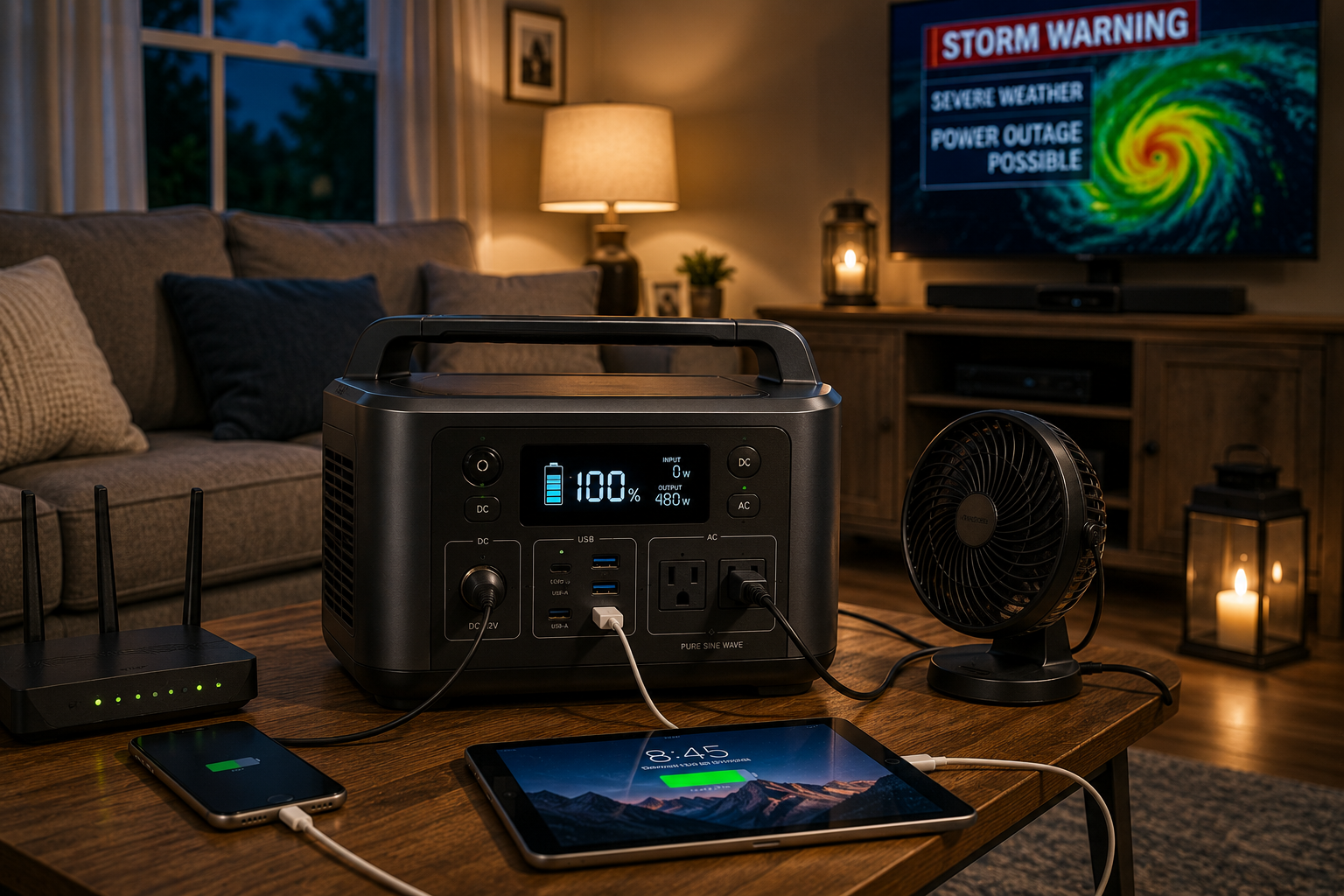
One of the biggest benefits of solar generators is their silent operation.
- Neighborhood use
- Camping
- Apartment living
- Overnight backup power
Gas generators can often exceed 70 to 90 decibels, similar to a lawn mower.
No Fuel Storage
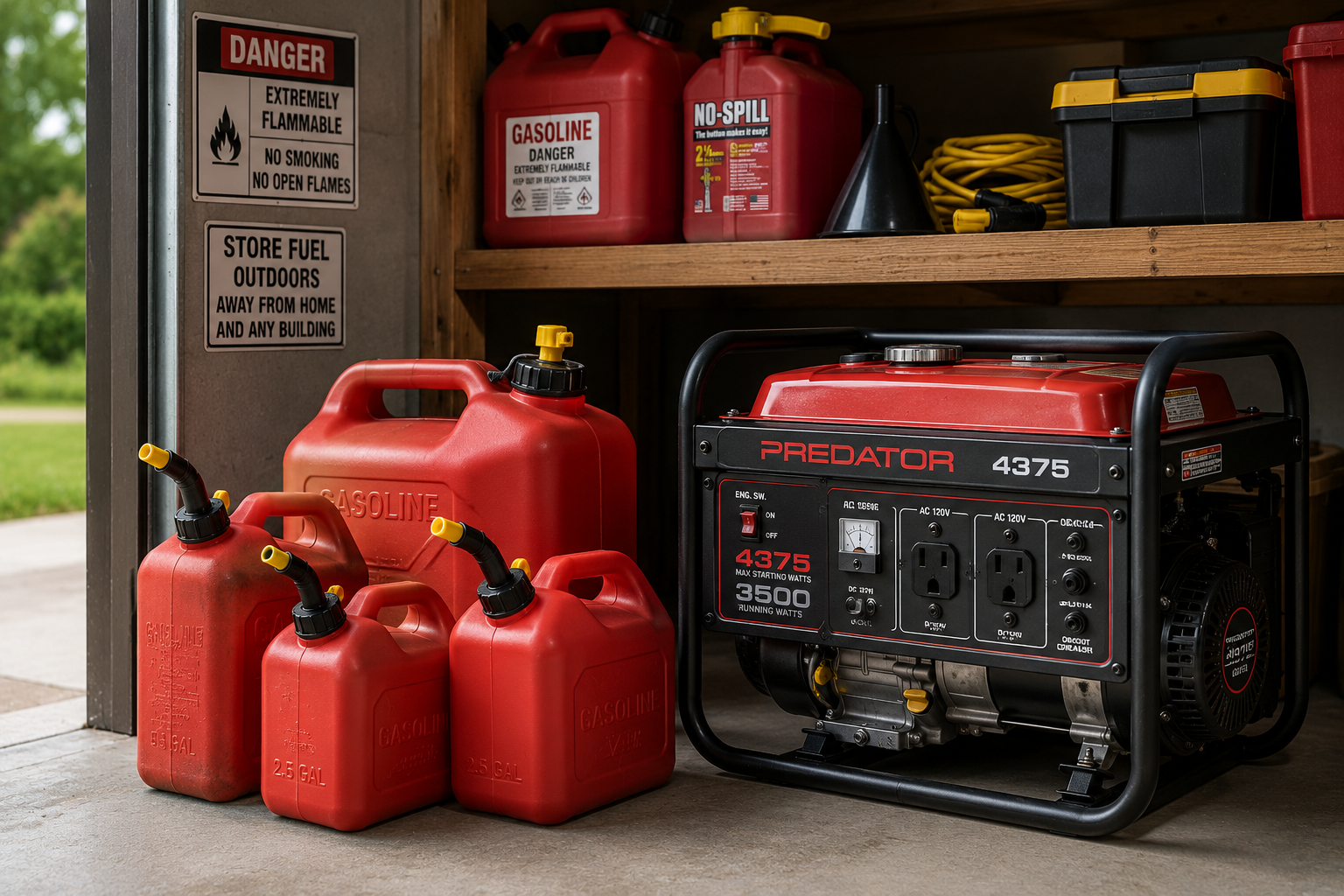
Solar generators eliminate the need to store gasoline.
- Fuel stabilization requirements
- Fuel shortages during emergencies
- Gasoline odors
- Fire hazards associated with fuel storage
Minimal Maintenance
Solar generators have very few moving parts. There are no oil changes, spark plugs, carburetors, or air filters to service.
Safe for Indoor Use
Because solar generators produce no exhaust fumes, they can safely operate indoors.
Gas generators must always be operated outdoors due to the risk of carbon monoxide poisoning.
Advantages of Gas Generators
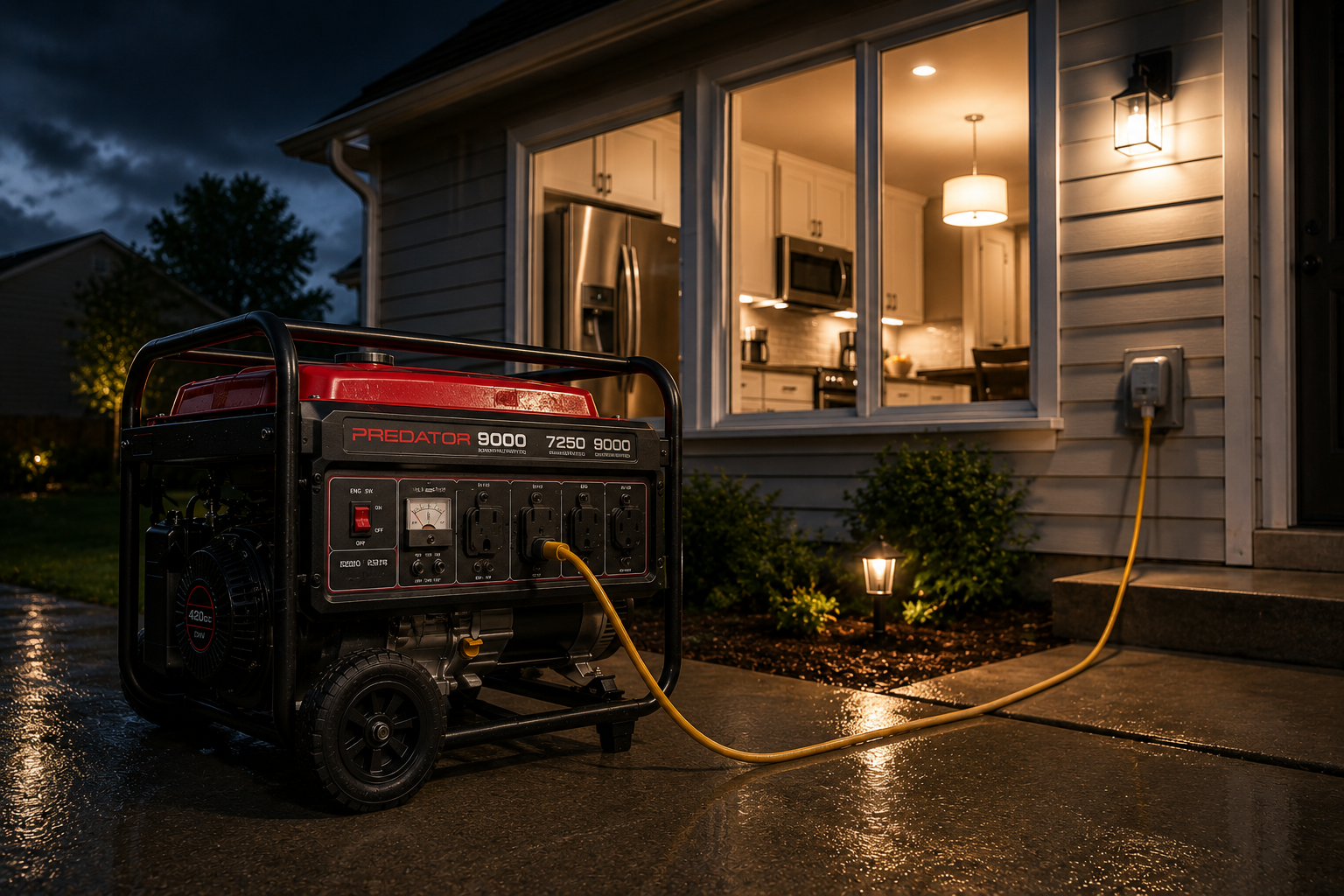
Higher Power Output
Gas generators generally produce much more power than most portable battery systems.
- Central air conditioners
- Electric water heaters
- Large well pumps
- Whole-house backup applications
Many portable gas generators provide 5,000 to 10,000 watts or more.
Unlimited Runtime With Fuel
A gas generator can continue running as long as fuel is available.
For multi-day outages, this can be a major advantage.
Lower Upfront Cost
A quality gas generator often costs less than a comparable battery system.
Which Option Is Better for Power Outages?

The answer depends on your priorities…
What About Hybrid Backup Systems?
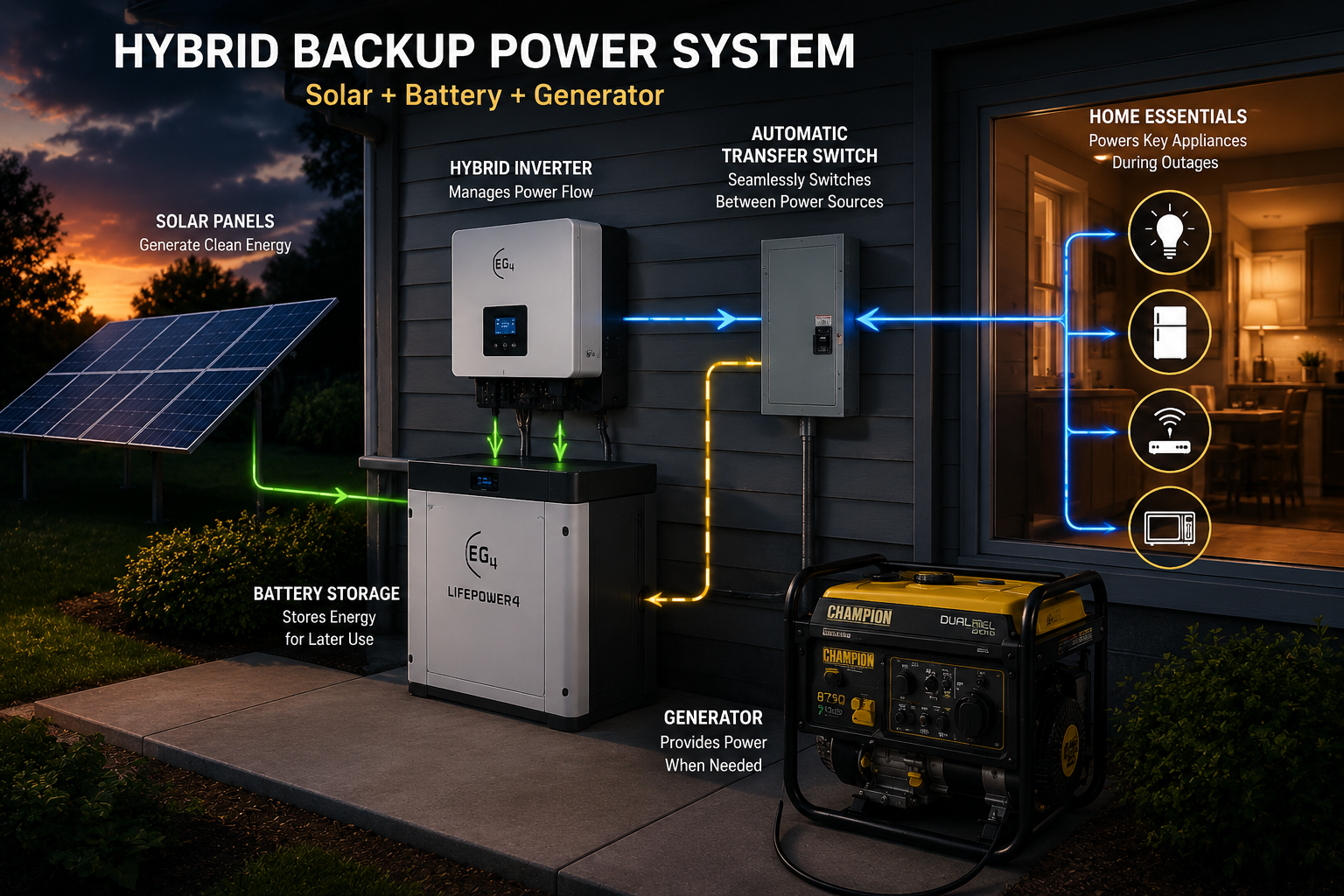
Many homeowners are now combining both technologies.
A battery power station can handle daily backup needs, while a gas generator can be reserved for long-duration outages and battery recharging during emergencies.
This hybrid approach provides flexibility while reducing fuel consumption.
Final Verdict
For homeowners seeking quiet, low-maintenance backup power, solar generators are becoming increasingly attractive.
However, gas generators still offer advantages when maximum power output and long runtimes are required.
If your goal is to keep a refrigerator, freezer, lights, internet equipment, and small electronics running during occasional outages, a solar generator may be the better choice.
If you need to power an entire home, central air conditioning system, or multiple large appliances during extended outages, a gas generator remains one of the most practical solutions available.
For many households, the best answer may be a combination of both.