
What Size Generator for a Refrigerator and Freezer?
During a power outage, keeping food cold is one of the biggest concerns for homeowners. Refrigerators and freezers protect hundreds of dollars’ worth of groceries, medications, and frozen foods, but only for a limited time without electricity.
The good news is that refrigerators and freezers typically require much less power than homeowners expect. In many cases, a small portable generator can easily keep both appliances running throughout an outage.
Quick Answer
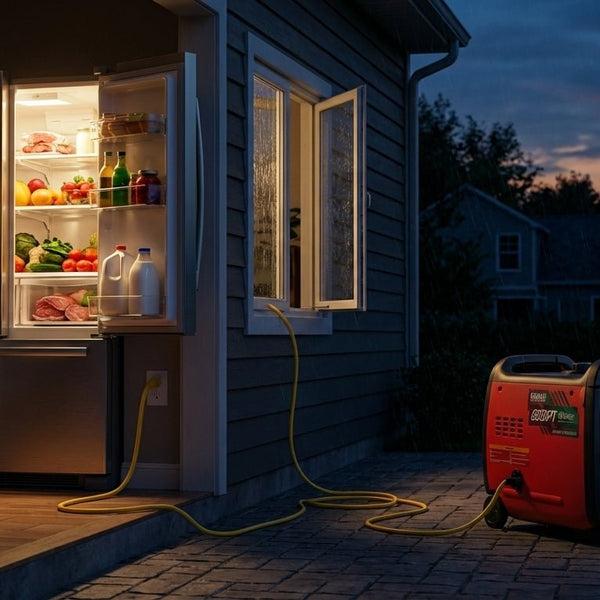
Most refrigerators and freezers require between 300 and 500 running watts combined, but startup surges can briefly exceed 1,500 watts. For most homes, a 2,000 to 3,500 watt generator provides enough capacity to safely power both appliances during a power outage.
How Much Power Does a Refrigerator Use?
Modern refrigerators are surprisingly efficient. While they run continuously throughout the day, the compressor cycles on and off as needed to maintain temperature.
Typical refrigerator power requirements include:
- Mini Refrigerator: 50–150 running watts
- Top-Freezer Refrigerator: 150–400 running watts
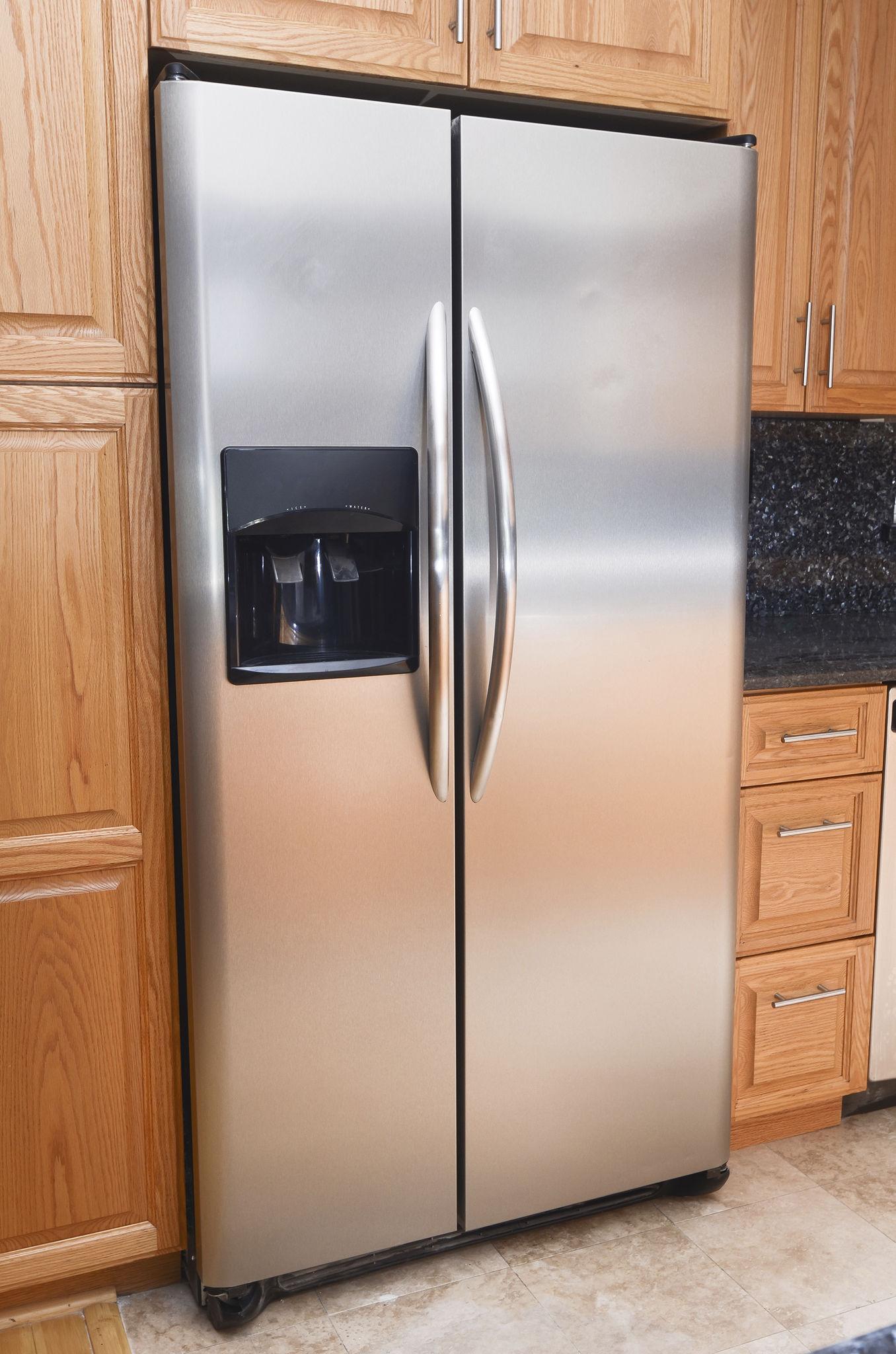
- Side-by-Side Refrigerator: 300–700 running watts
- French Door Refrigerator: 400–800 running watts
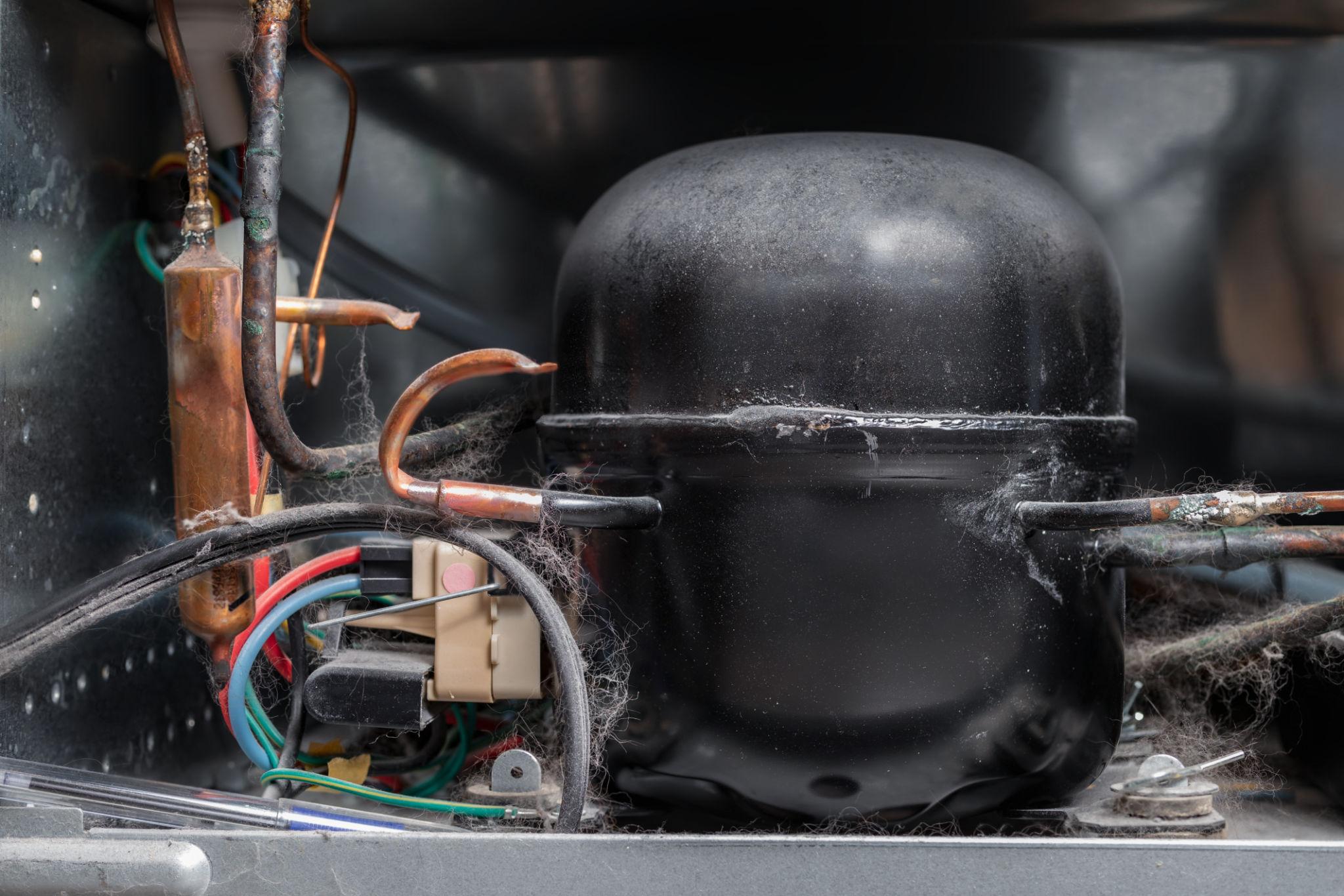
The most important factor isn’t usually the running wattage. Instead, it is the startup surge required when the compressor motor first starts.
How Much Power Does a Freezer Use?
Freezers use a similar refrigeration system and therefore have similar electrical requirements. Chest freezers tend to be more efficient because cold air stays inside when the lid is opened.
- Small Chest Freezer: 100–250 running watts
- Large Chest Freezer: 250–400 running watts
- Upright Freezer: 200–500 running watts
Just like refrigerators, freezers experience a temporary startup surge when the compressor begins operating.
Running a Refrigerator and Freezer Together
Many homeowners want to operate both appliances simultaneously during an outage. Fortunately, the combined electrical demand is often manageable with even a modest portable generator.
Example:
- Refrigerator: 200 running watts / 700 starting watts
- Chest Freezer: 250 running watts / 800 starting watts
- Total Running Load: 450 watts
- Total Potential Startup Surge: 1,500 watts
Although both compressors rarely start at exactly the same time, generator sizing should always account for the worst-case scenario.
Recommended Generator Sizes
The following chart provides a general guideline for selecting a generator capable of running a refrigerator and freezer during a power outage.
| Generator Size | Recommended Use |
|---|---|
| 2,000 Watts | Refrigerator, freezer, phone chargers |
| 3,500 Watts | Refrigerator, freezer, lights, internet equipment |
| 5,000–7,500 Watts | Several household circuits and appliances |
| 10,000+ Watts | Large portions of the home |
Portable vs Whole House Generator
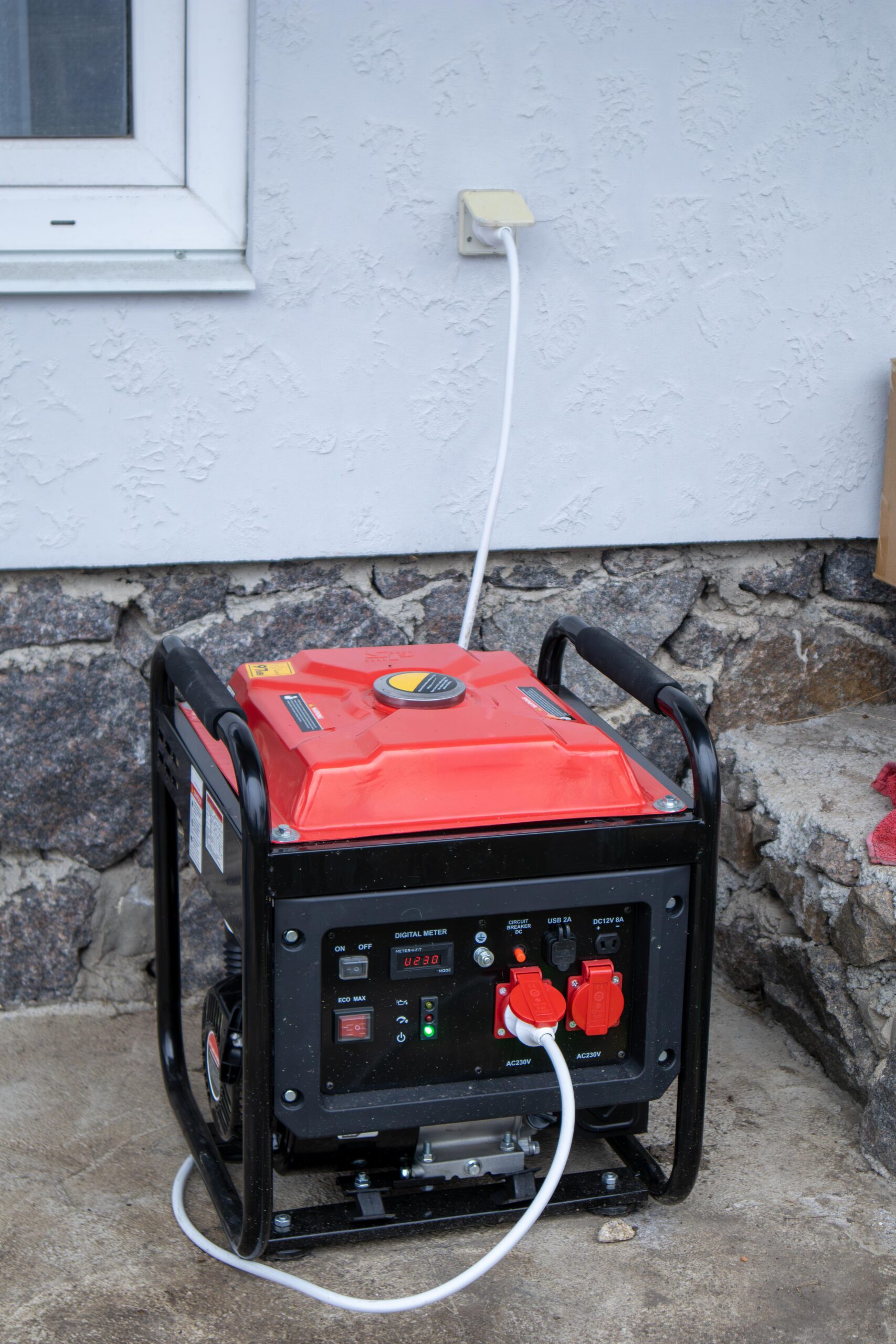
If your primary goal is preserving food, a portable generator is often the most cost-effective solution.
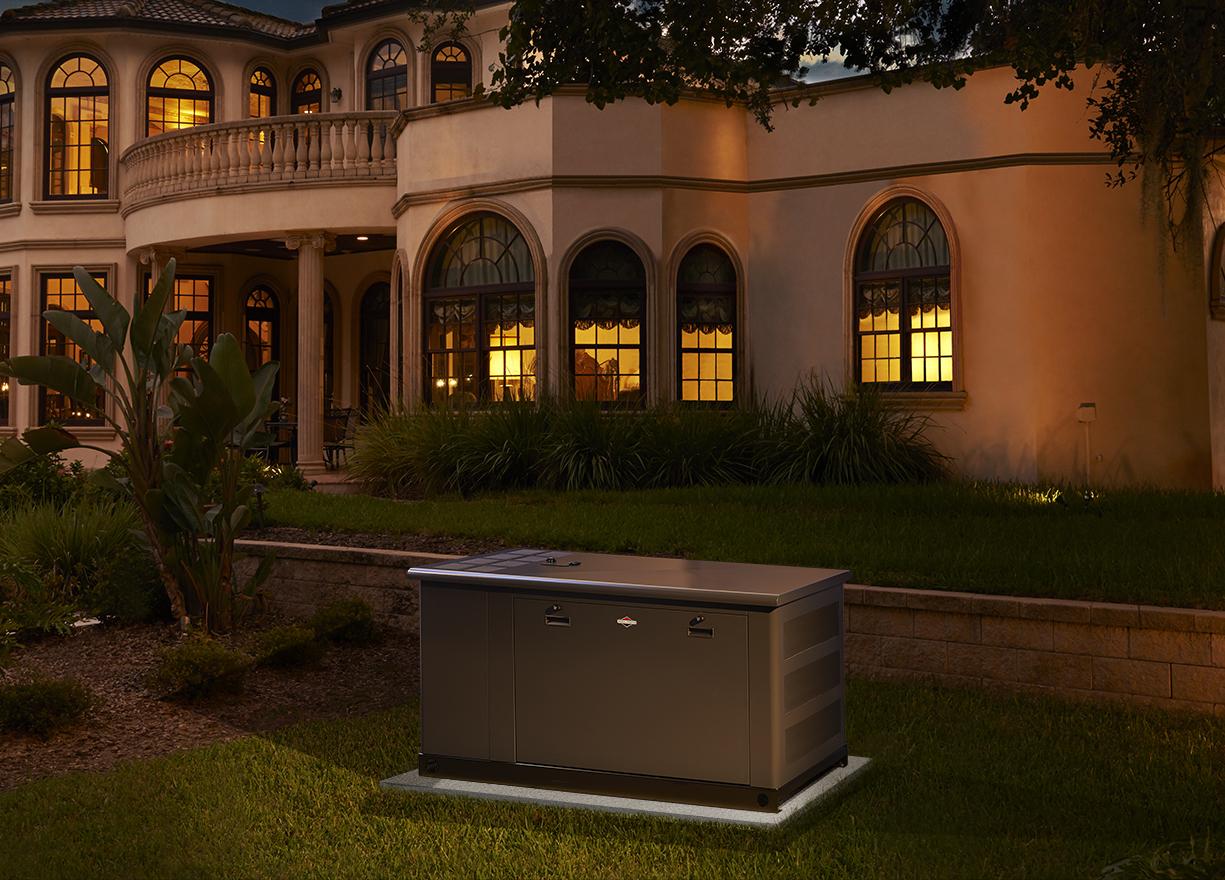
Portable generators are affordable, require minimal installation, and can easily handle refrigerator and freezer loads. Whole-house standby generators offer automatic operation but come with significantly higher equipment and installation costs.
- Portable Generator: Lower cost, manual setup, excellent for essential appliances.
- Standby Generator: Automatic operation, powers larger portions of the home, higher investment.
How Long Will Food Stay Cold Without Power?
According to food safety guidelines:
- An unopened refrigerator will typically remain cold for about 4 hours.
- A full freezer can maintain safe temperatures for approximately 48 hours.
- A half-full freezer typically stays frozen for around 24 hours.
Opening doors frequently significantly reduces these times. During extended outages, a generator can help prevent food spoilage and reduce replacement costs.
Final Recommendation
For most households, a generator rated between 2,000 and 3,500 watts is sufficient to power both a refrigerator and freezer during a power outage. If you plan to run additional appliances such as a sump pump, well pump, microwave, or air conditioner, consider a larger generator.
Before purchasing a generator, verify the running and starting wattage listed on your appliances. Proper sizing ensures reliable operation and prevents nuisance overloads during startup.
Bottom Line: Most refrigerators and freezers require less than 500 running watts combined, but startup surges can exceed 1,500 watts. A quality 2,000–3,500 watt generator is usually more than enough to keep food cold during a power outage.