
Can My Panel Use an Interlock?
How to check generator interlock compatibility before you buy the wrong kit.
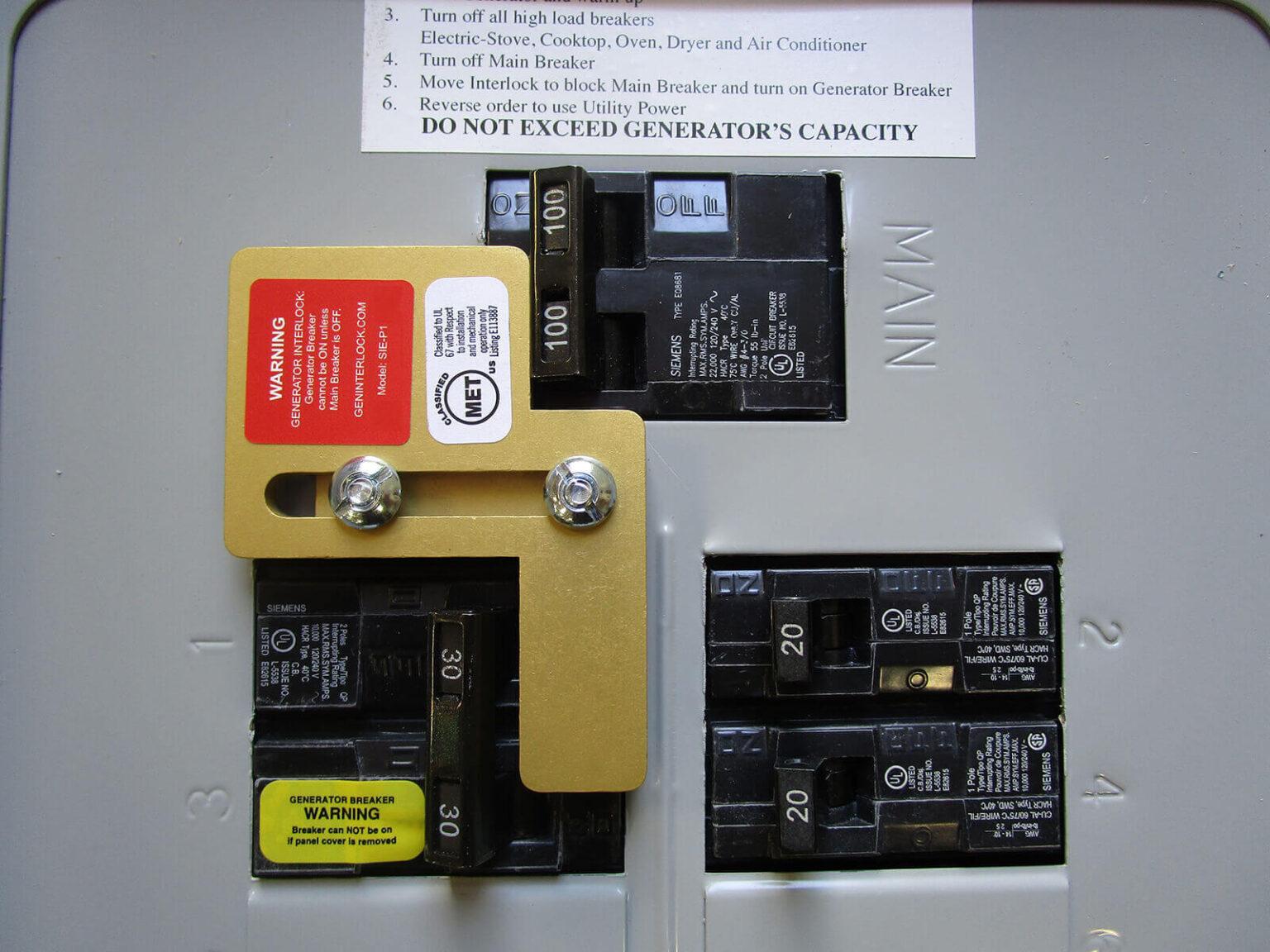
Before buying a generator interlock kit, the first step is identifying your exact electrical panel and breaker layout.
If you’re researching generator interlock kits, one of the biggest questions is simple:
Can my electrical panel actually use an interlock kit?
The answer is: sometimes — but not always.
A generator interlock kit must match your specific breaker panel model and breaker layout. Even panels from the same manufacturer may use different interlock kits.
Buying the wrong kit is one of the most common mistakes homeowners make when planning a portable generator backup setup.
This guide explains how interlock compatibility works, how to identify your panel, what warning signs to look for, and what your options are if your panel cannot use an interlock.
What Is a Generator Interlock Kit?
A generator interlock kit is a metal sliding device installed on your electrical panel. Its job is to prevent the main breaker and generator breaker from being turned on at the same time.
In simple terms:
- When the main breaker is ON, the generator breaker must stay OFF.
- When the generator breaker is ON, the main breaker must stay OFF.
This helps prevent dangerous utility backfeeding during generator operation.
Interlock kits are commonly used with:
- portable generators
- generator inlet boxes
- manual backup power setups
- selected household circuits
An interlock is often more affordable than a full manual transfer switch, but compatibility matters.
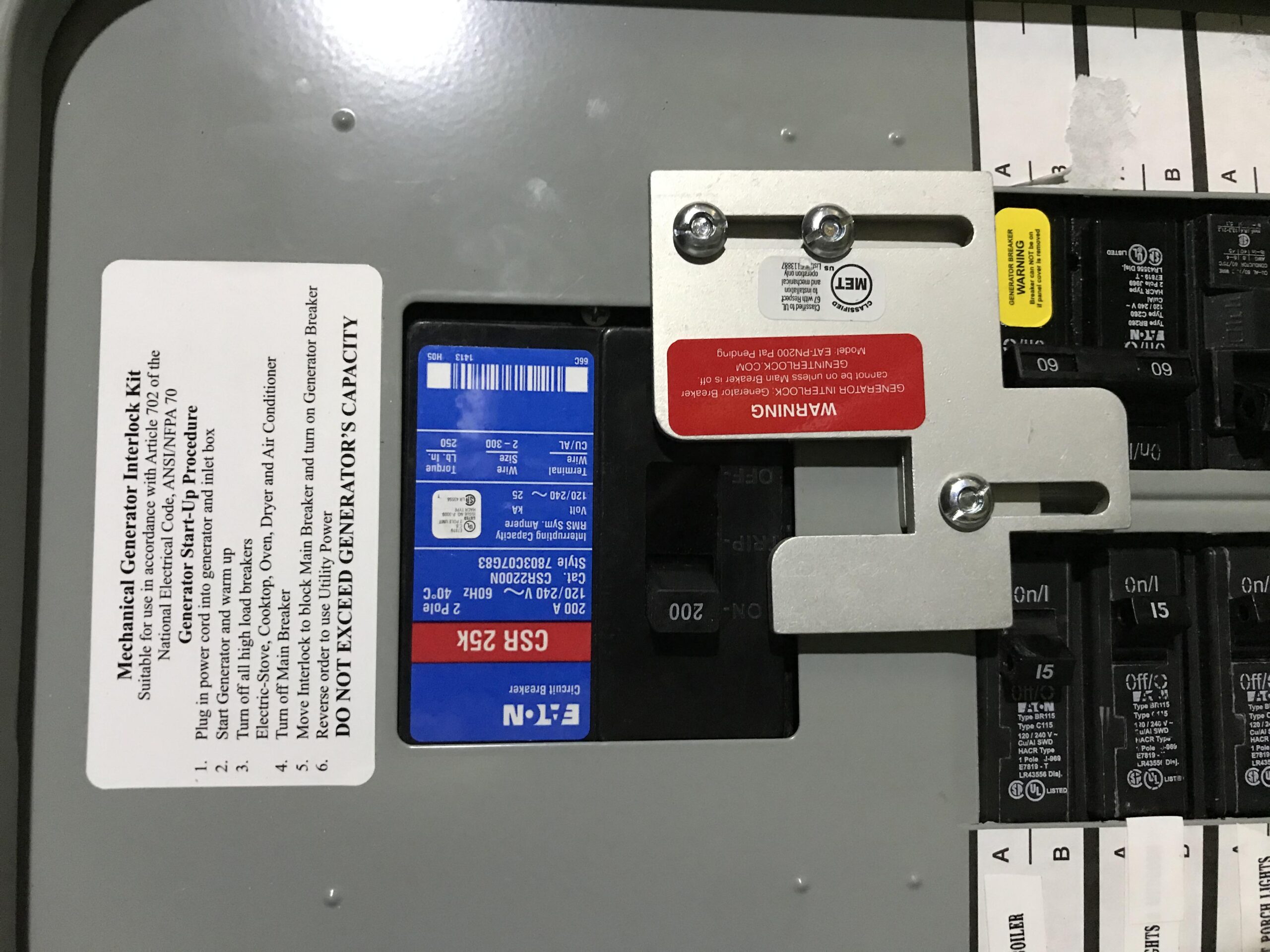
Interlock kits are panel-specific. The physical layout of the main breaker and generator breaker matters.
Why Interlock Compatibility Matters
Interlock kits are not universal.
Compatibility depends on several details:
- panel manufacturer
- panel model number
- main breaker location
- breaker spacing
- generator breaker position
- approved breaker types
- whether the panel is still serviceable and code-compliant
A Square D interlock kit will not automatically fit a Siemens panel. Even two Square D panels may need different kits depending on whether the panel is Homeline, QO, or another configuration.
Important: Do not buy an interlock based only on the brand name. The exact panel model and breaker layout matter.
Step 1: Find Your Panel Label
Open the electrical panel door and look for the factory label inside the panel cover.
You are looking for information such as:
- manufacturer name
- panel model number
- series number
- amperage rating
- breaker type information
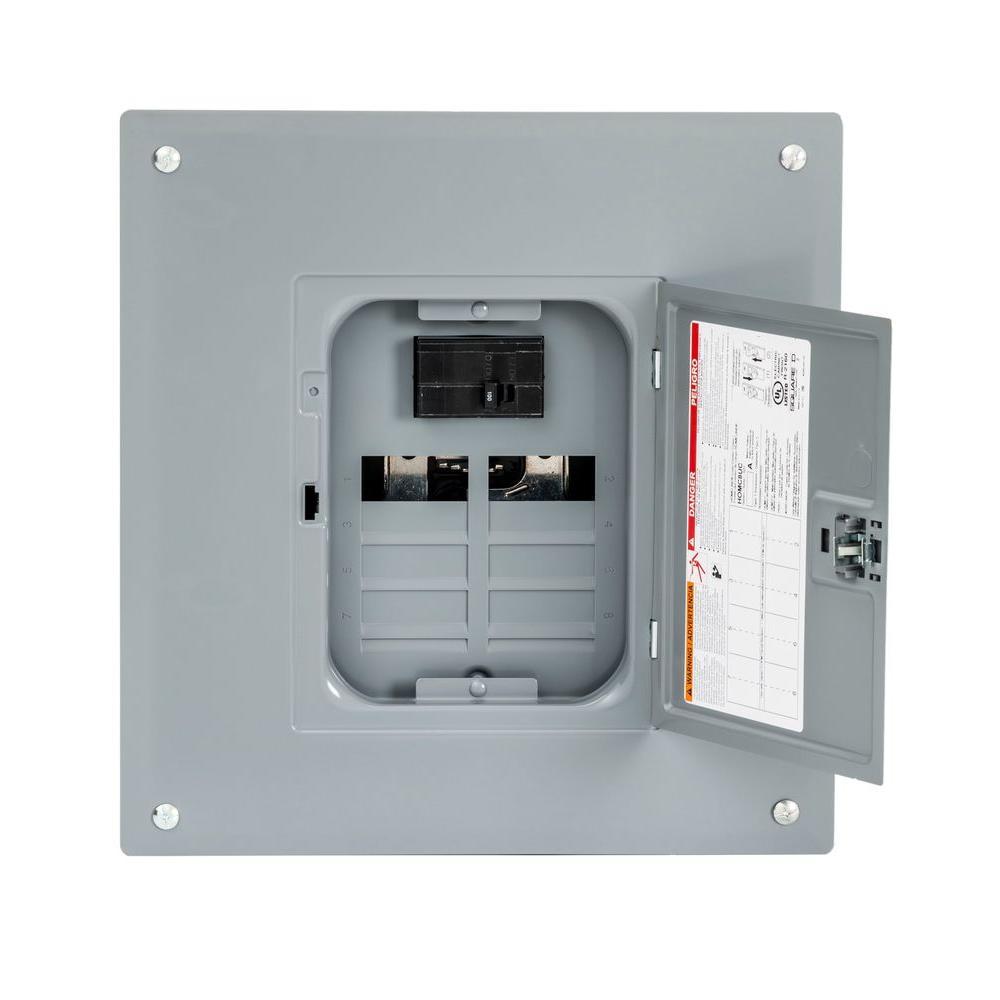
The panel label is usually the key to finding the correct interlock kit.
Common panel manufacturers include:
- Square D
- Siemens
- Eaton
- Cutler-Hammer
- GE
- Murray
The exact product family also matters. For example:
- Square D Homeline is different from Square D QO.
- Eaton BR is different from Eaton CH.
- Some older panels may have limited or discontinued compatibility.
Step 2: Check the Main Breaker Position
Most interlock kits work by physically blocking the main breaker and the generator breaker from being ON at the same time.
That means the location of the main breaker is extremely important.
Common layouts include:
- main breaker at the top center
- main breaker at the top left
- main breaker at the top right
- back-fed main breaker
- split-bus panel layouts
Some layouts support interlocks easily. Others do not.
Step 3: Check Where the Generator Breaker Would Go
Most interlock kits require a dedicated double-pole generator breaker in a specific location near the main breaker.
Depending on the panel, the generator breaker may need to go in a specific breaker slot such as:
- top left breaker spaces
- top right breaker spaces
- positions directly next to the main breaker
- manufacturer-specified positions only
If your panel is already full, installation may become more complicated.
An electrician may need to consider:
- moving breakers
- using approved tandem breakers where allowed
- installing a subpanel
- upgrading the panel
Panels That Commonly Support Interlocks
Many modern residential electrical panels have listed interlock options available.
Common examples include:
- Square D Homeline panels
- Square D QO panels
- Siemens panels
- Eaton BR panels
- Eaton CH panels
- some GE panels
But this does not mean every panel from those brands is compatible. You still need to verify the exact model and layout.
Panels That May Be Problematic
Some panels are more difficult to work with or may not be good candidates for an interlock kit.
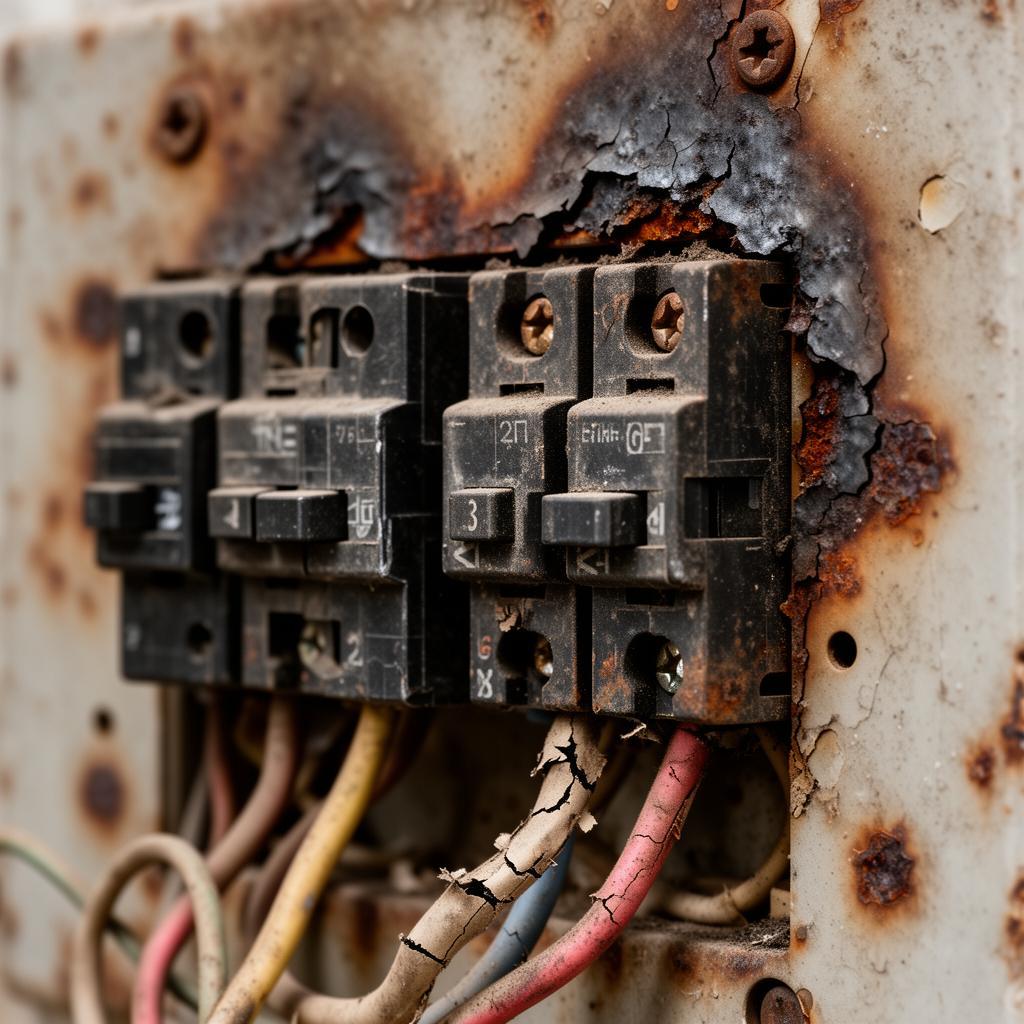
Older, damaged, obsolete, or unsafe panels may need professional evaluation before adding generator equipment.
Problematic panels may include:
- obsolete panels
- damaged panels
- rusted or corroded panels
- panels with missing labels
- panels with mixed or improper breakers
- certain split-bus panels
- Federal Pacific panels
- Zinsco panels
Safety note: If your panel is old, damaged, corroded, overheating, or has questionable breakers installed, do not treat the interlock kit as a simple add-on. Have the panel evaluated first.
Warning Signs Your Panel May Not Support an Interlock
No Manufacturer Label
If the panel label is missing or unreadable, identifying the correct interlock kit becomes much harder.
Very Old Panel
Older panels may not have listed interlock kits available, especially if the panel is obsolete.
No Space Near the Main Breaker
Many interlocks require the generator breaker to be placed in a specific location near the main breaker.
Mixed Breaker Types
Improper or mismatched breakers may indicate previous unsafe modifications.
Rust or Corrosion
Rust, water damage, or corrosion inside a panel should be addressed before adding generator equipment.
Heat Damage
Burn marks, melted insulation, or signs of overheating are serious warning signs.
Are Universal Interlock Kits Safe?
You may see generic or “universal” interlock kits sold online.
Be careful.
Some universal kits may:
- require drilling into the panel cover
- lack proper listing for your panel
- fit poorly
- interfere with breaker operation
- fail local inspection
For most homeowners, the safer path is to use a panel-specific, listed interlock kit that matches the exact electrical panel.
What If My Panel Cannot Use an Interlock?
If your panel cannot safely or legally use an interlock, you still have options.
Option 1: Manual Transfer Switch
A manual transfer switch allows selected circuits to be powered by a generator while keeping the utility and generator power isolated.
This can be a good solution when the main panel layout does not work well with an interlock.
Option 2: Generator Subpanel
A generator subpanel can be used to group critical circuits separately from the main panel.
This may be helpful if you only want to power essentials such as:
- refrigerator
- furnace blower
- sump pump
- well pump
- selected lights and outlets
Option 3: Panel Upgrade
If your panel is outdated, unsafe, full, or obsolete, a panel upgrade may be the better long-term solution.
This costs more upfront, but it can make future electrical work safer and cleaner.
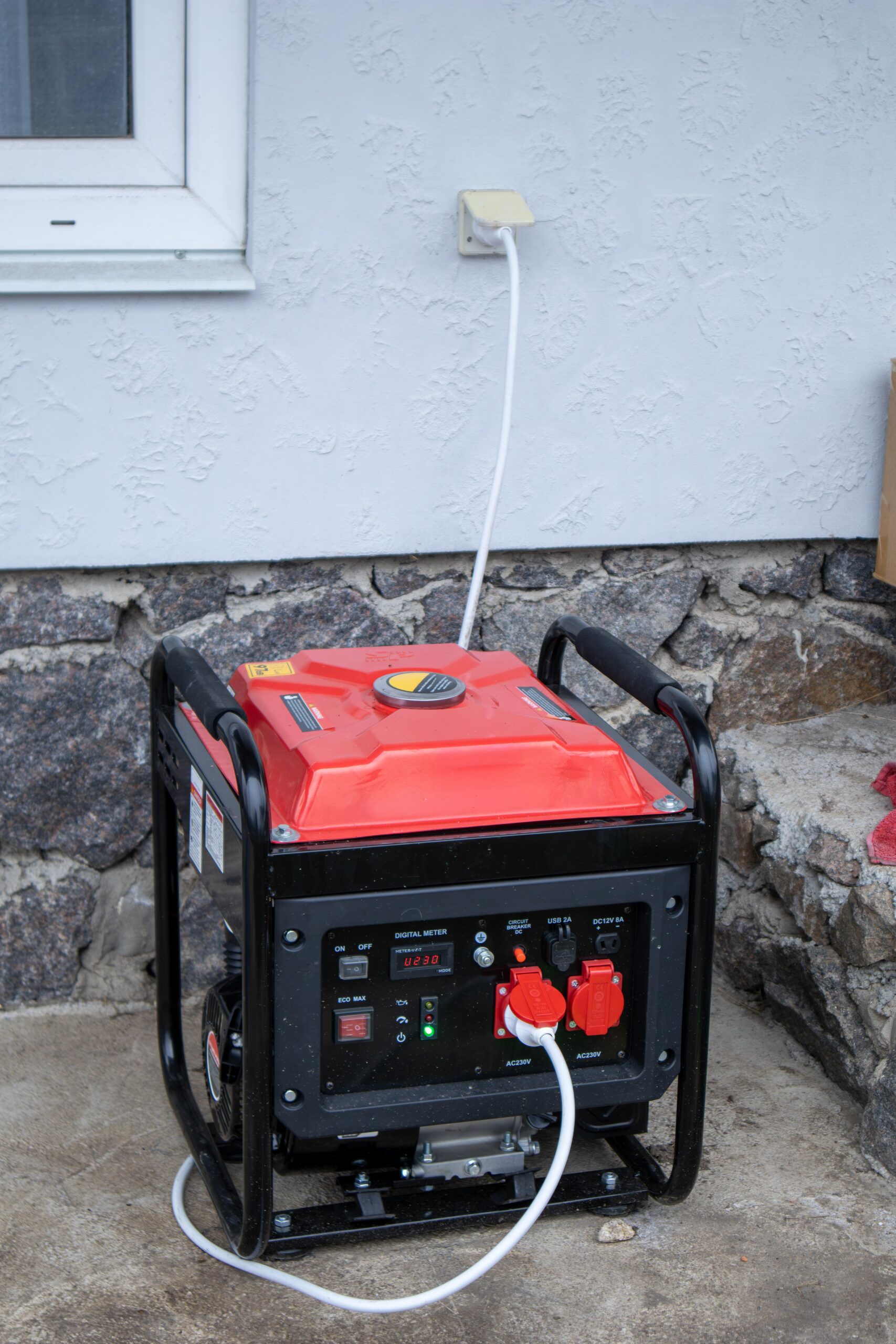
A safe generator connection usually involves the right panel equipment, an inlet box, proper wiring, and a compliant transfer method.
Should You Install an Interlock Yourself?
That depends on your experience, your local code requirements, and whether permits or inspections are required in your area.
Improper generator installations can create serious hazards, including:
- utility backfeeding
- shock hazards
- fire hazards
- overloaded circuits
- damaged appliances
- failed inspections
Many homeowners choose to hire a licensed electrician for:
- generator inlet box installation
- breaker installation
- interlock kit installation
- load planning
- permit and inspection compliance
Quick Checklist: Can My Panel Use an Interlock?
Before buying an interlock kit, check these items:
- Find the panel manufacturer.
- Find the exact panel model number.
- Confirm the panel series if listed.
- Check the main breaker location.
- Confirm where the generator breaker must go.
- Verify the approved breaker type.
- Make sure there is enough physical space.
- Check for rust, damage, heat marks, or unsafe modifications.
- Use a listed kit designed for your panel whenever possible.
- Ask a licensed electrician if you are unsure.
Final Thoughts
A generator interlock can be one of the most practical ways to connect a portable generator to a house.
But compatibility is the key.
Before buying a kit, do not rely on guesswork. Identify your exact panel, confirm the breaker layout, and make sure the interlock is designed for that panel.
A few minutes of checking can prevent wasted money, unsafe installations, failed inspections, and dangerous generator mistakes.
Related Backup Power Guides
Planning a generator setup? These guides can help you compare your options and avoid unsafe wiring mistakes.