
What Is a Generator Interlock Kit?
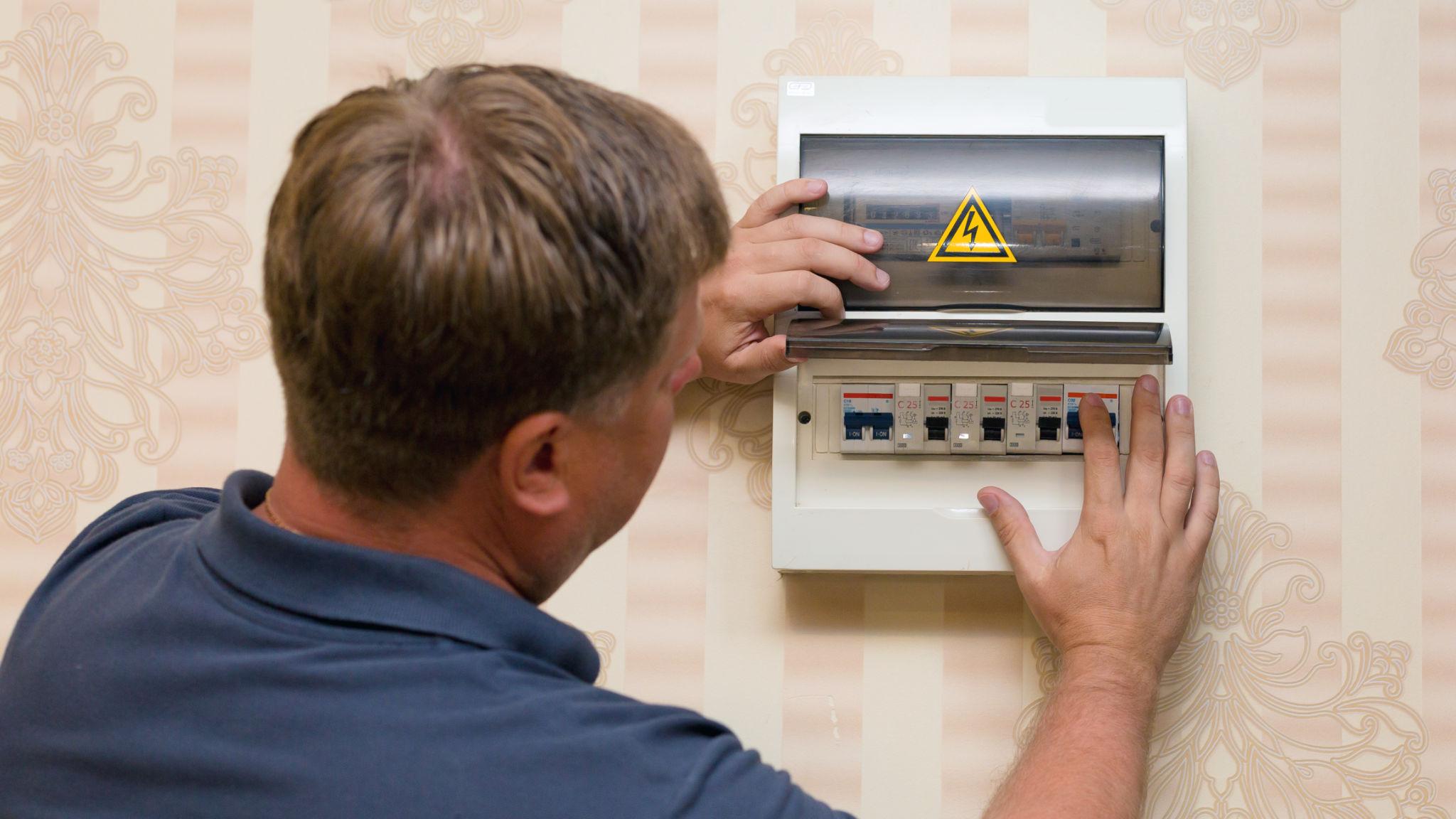
A generator interlock kit is a mechanical safety device installed on an electrical panel. Its purpose is to prevent the main utility breaker and generator breaker from being turned ON at the same time.
This helps reduce the risk of dangerous backfeeding into utility lines during a power outage. Interlock kits are commonly used with portable generators and inlet box setups to energize selected household circuits through the home’s breaker panel.
Unlike extension cord setups scattered throughout a house, an interlock system allows homeowners to use existing branch circuits more safely and more conveniently when installed correctly.
Square D Homeline vs QO Panels
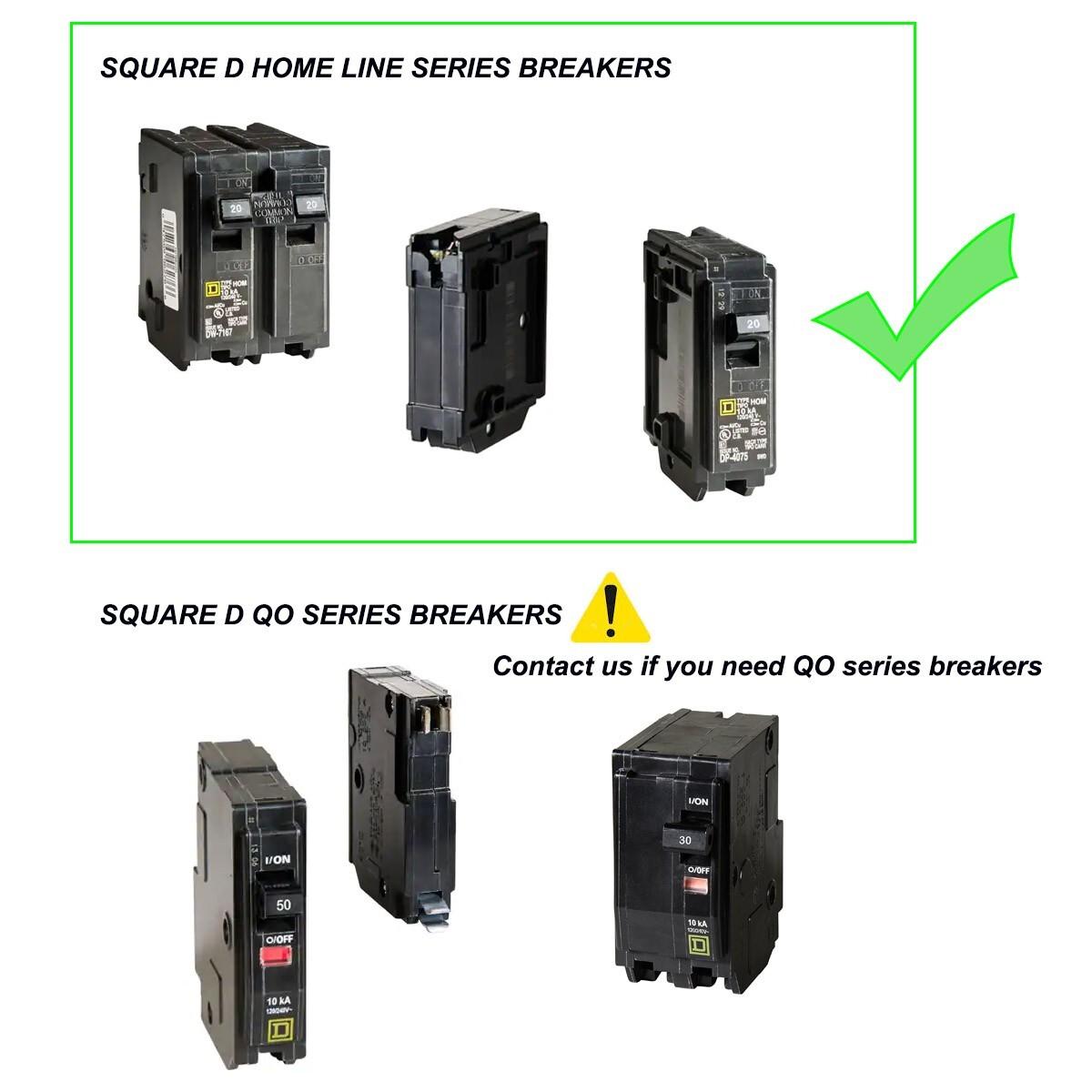
Square D primarily uses two residential breaker families: Homeline and QO.
These panels may appear similar at first glance, but they use different breaker styles, mounting systems, and interlock configurations.
- Homeline panels are generally more budget-oriented and extremely common in residential homes.
- QO panels are considered the premium Square D line and include a visible trip indicator window on breakers.
- Interlock kits designed for Homeline panels usually will NOT fit QO panels.
- Breaker position and panel layout matter just as much as the panel series itself.
Many homeowners accidentally buy the wrong interlock because they assume all Square D panels are interchangeable. They are not.
How To Identify Your Square D Panel
The easiest way to identify your panel is by opening the panel door and locating the factory label. Most Square D panels include model information printed on the inside sticker or labeling near the breakers.
Look for identifiers such as:
- HOM = Homeline
- QO = QO series
Homeowners should also inspect:
- Main breaker location
- Available breaker spaces
- Generator breaker position requirements
- Panel amperage rating
- Manufacturer labeling and revisions
Some interlock kits only work if the generator breaker is installed in a very specific location within the panel.
Main Breaker Position Matters
Interlock compatibility is not only determined by panel brand. The physical position of the main breaker and generator breaker matters heavily.
Some Square D panels place the main breaker at the top of the panel, while others use different layouts depending on model and age.
Most interlock kits are engineered around:
- Specific breaker spacing
- Exact sliding plate positions
- Approved generator breaker locations
- Panel deadfront dimensions
Installing the wrong interlock can prevent proper operation or create dangerous conditions if the mechanism does not fully block simultaneous breaker operation.
Common Square D Interlock Compatibility Mistakes
- Buying a Homeline interlock for a QO panel
- Ignoring generator breaker position requirements
- Using aftermarket kits that are not designed for the panel layout
- Assuming all Square D panels use the same breaker spacing
- Installing oversized generator breakers
- Failing to verify panel revisions or older discontinued models
- Backfeeding through unsafe homemade cord setups
Many homeowners purchase interlock kits online before verifying compatibility. This often leads to returns, improper installation attempts, or dangerous DIY modifications.
What NOT To Do
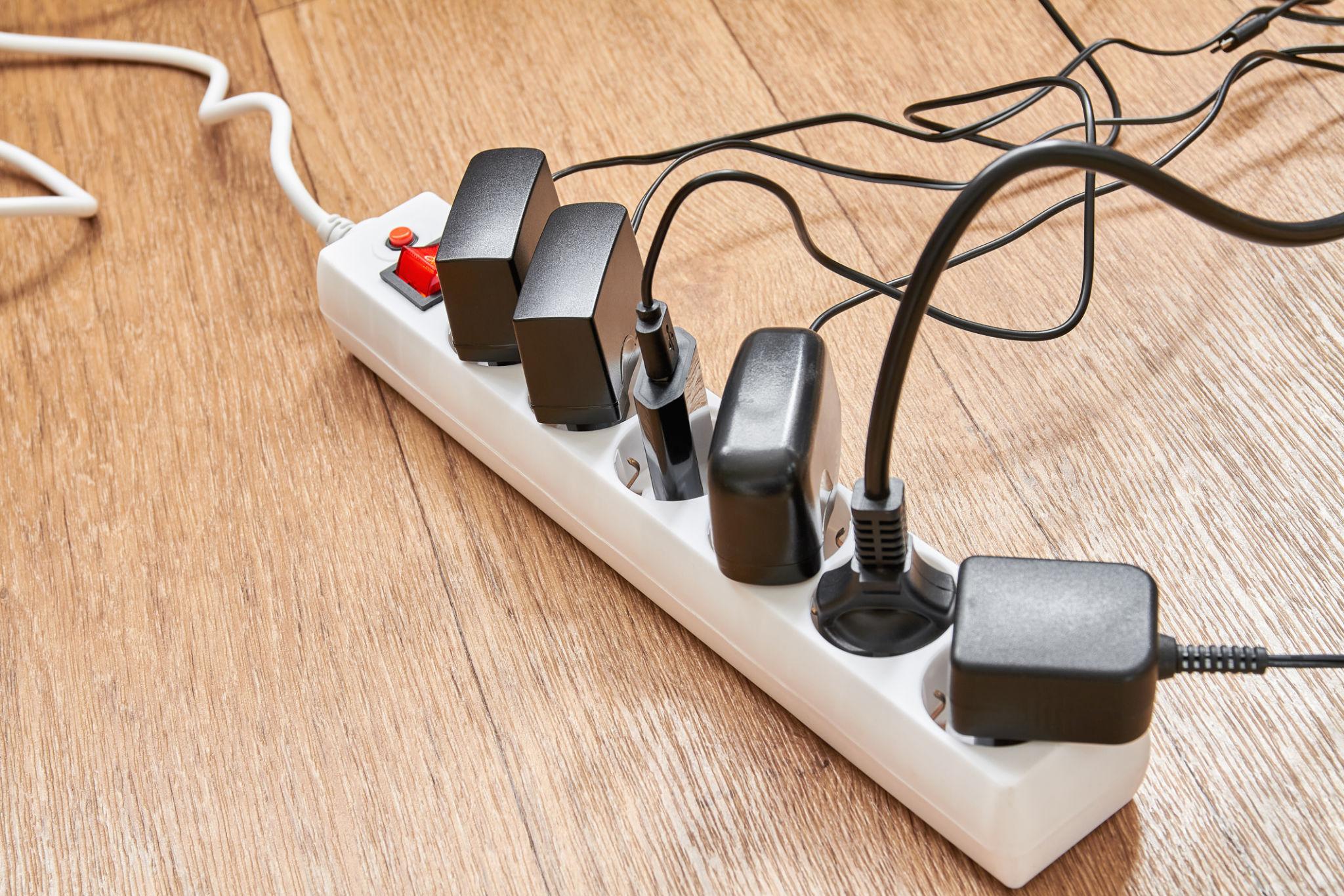
Never backfeed a home through a dryer outlet, homemade cord setup, or unapproved breaker configuration.
Unsafe generator connections can:
- Energize utility lines unexpectedly
- Damage appliances and electronics
- Create fire hazards
- Damage generator windings
- Injure utility workers
Generator interlock systems should always follow local electrical code requirements and manufacturer compatibility guidelines.
Before Buying a Square D Interlock Kit
Before ordering any generator interlock kit, homeowners should confirm:
- ✔ Exact Square D panel series
- ✔ Main breaker location
- ✔ Generator breaker location
- ✔ Panel amperage rating
- ✔ Approved breaker compatibility
- ✔ Available breaker spaces
- ✔ Local code requirements
When in doubt, consult a licensed electrician before purchasing or installing an interlock system.