
Portable Generator Grounding Explained: Do You Actually Need It?
Portable generator grounding is one of the most confusing parts of backup power setup.
Some homeowners believe every generator needs its own ground rod. Others say grounding is unnecessary. Then you hear terms like “bonded neutral,” “floating neutral,” and “transfer switch,” and things get confusing fast.
The truth is simpler than most internet forums make it sound:
Whether a portable generator needs grounding depends on how the generator is connected and how the electrical system is configured.
In many residential backup power setups, adding a separate ground rod is either unnecessary or incorrect.
The Short Answer
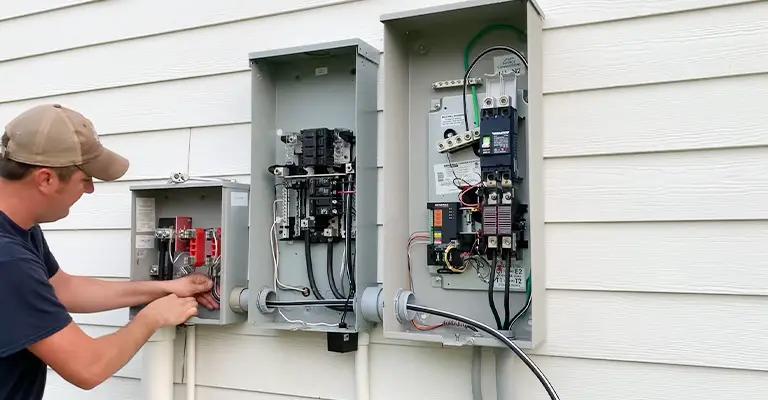
If your portable generator is connected to your home through a properly installed:
- transfer switch
- interlock kit
- generator inlet box
then the home’s existing grounding system usually handles grounding already.
That means most homeowners using a portable generator for backup power do not need to drive a separate ground rod for the generator itself.
However, things change depending on:
- whether the generator uses a bonded neutral
- whether the neutral switches
- whether the generator is operating as a standalone power source
What Generator Grounding Actually Means
A lot of people mix up:
- grounding
- bonding
- neutral connections
These are related, but they are not the same thing.
Grounding
Grounding connects electrical equipment to earth through the home’s grounding electrode system.
This helps:
- stabilize voltage
- reduce surge issues
- improve fault handling in certain conditions
Bonding
Bonding connects metal electrical components together to create a low-resistance fault path.
This is what allows breakers to trip properly during a fault.
In many generator discussions, people are actually talking about neutral bonding — not grounding alone.
Bonded Neutral vs Floating Neutral Generators
This is where most generator grounding confusion begins.
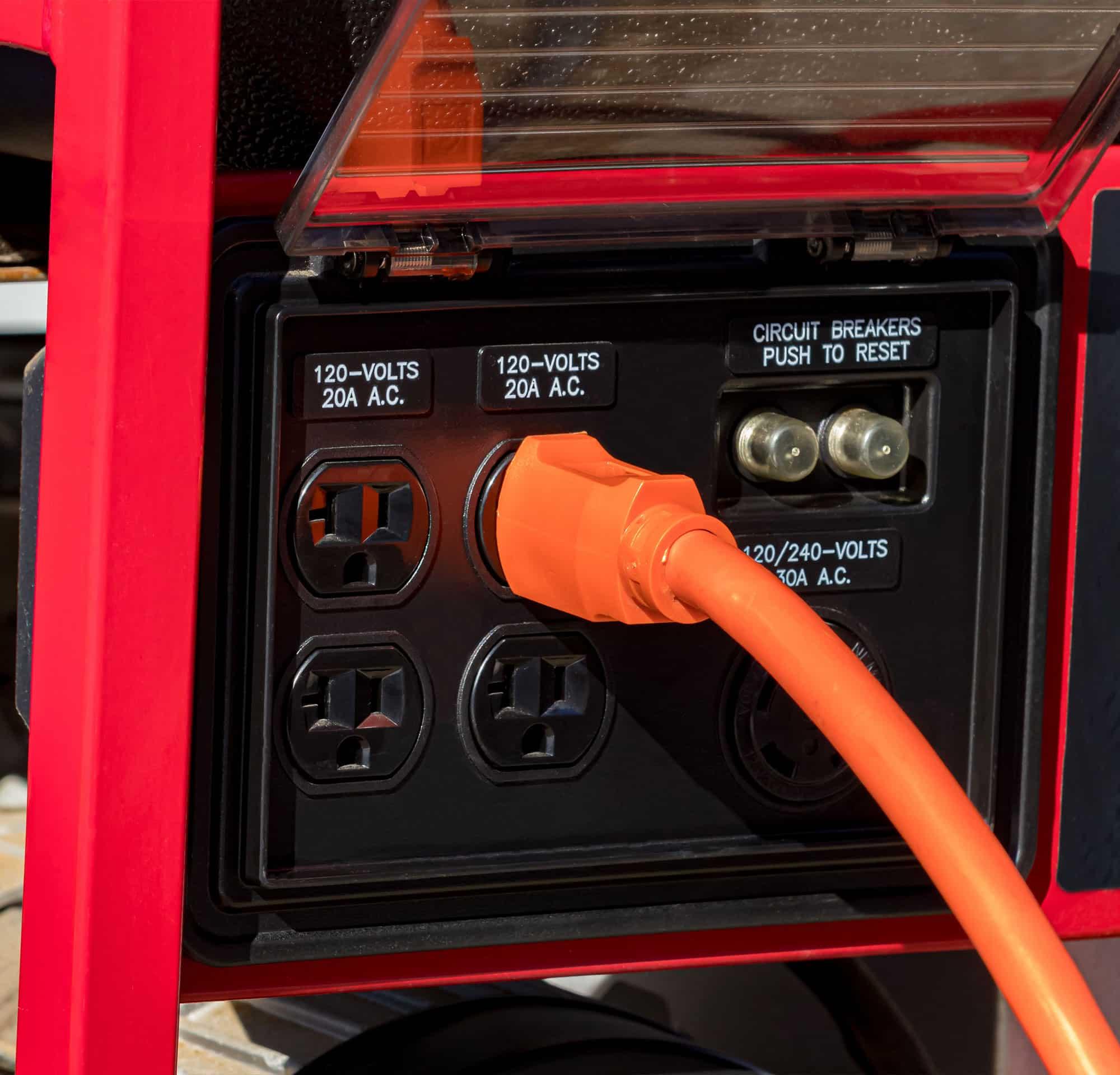
Bonded Neutral Generator
A bonded neutral generator internally connects:
- neutral
- equipment ground
These are commonly used on:
- job sites
- construction generators
- standalone portable generators
Floating Neutral Generator
A floating neutral generator keeps neutral and ground separated inside the generator.
The neutral bond instead exists elsewhere — usually in the home’s main electrical panel.
Many inverter generators and home-backup-compatible generators use floating neutrals for this reason.
Why Neutral Bonding Matters
Most homes should only have one neutral-to-ground bond.
That bond is usually located at the main service panel.
If you connect a bonded-neutral generator to certain transfer switch or interlock configurations, you can accidentally create:
- multiple bonding points
- parallel neutral paths
- nuisance GFCI trips
- improper fault current paths
This is why electricians care so much about bonded vs floating neutral generators.
Does a Portable Generator Need a Ground Rod?
Usually, no.
If the generator is connected through proper transfer equipment, the house grounding system typically provides the grounding path already.
Adding a separate ground rod often:
- does nothing useful
- creates confusion
- introduces improper grounding arrangements
Standalone generators running tools directly from extension cords can fall under different NEC rules depending on:
- generator design
- receptacle type
- local code interpretation
This is where many online discussions become misleading because people apply construction-site rules to residential backup systems.
What the NEC Says in Simple Terms
The National Electrical Code treats generators differently depending on whether the generator is considered:
- a separately derived system
- a non-separately derived system
Non-Separately Derived System
Most residential portable generator setups are non-separately derived systems.
In these setups:
- the house neutral remains continuous
- the main bonding jumper stays in the service equipment
This usually means no separate generator grounding electrode is required.
Separately Derived System
Some transfer switches switch the neutral conductor.
When that happens, the generator may become a separately derived system with different grounding and bonding requirements.
This is one reason transfer switch selection matters.
Transfer Switches and Generator Grounding
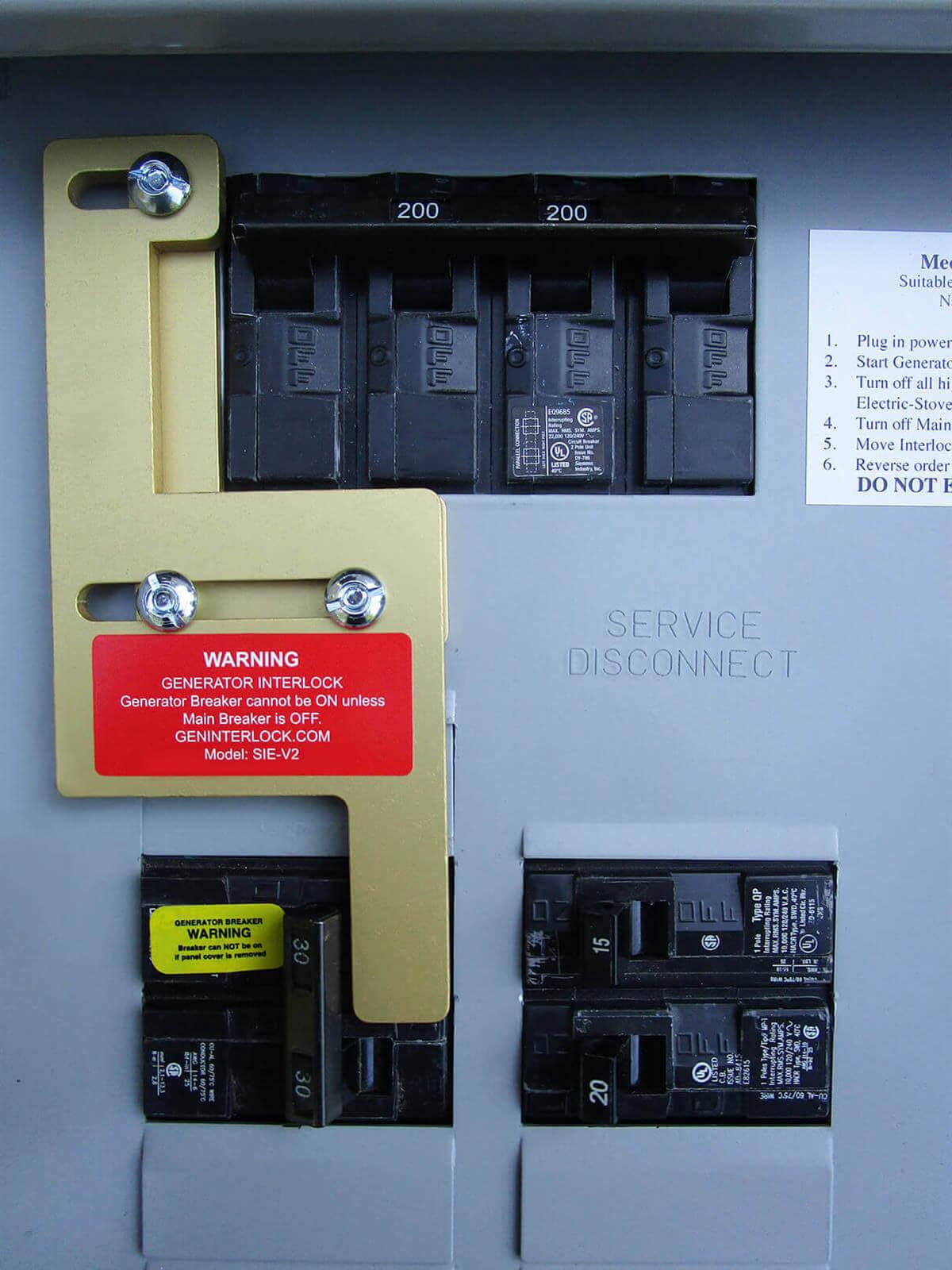
Transfer switches and interlock kits affect:
- neutral bonding
- grounding paths
- fault current behavior
- code compliance
Before connecting a portable generator to your home, you should verify:
- whether the generator has a bonded or floating neutral
- how the transfer switch handles neutral conductors
- inlet wiring configuration
- local code requirements
Dangerous Generator Grounding Myths
Myth #1: Every Generator Needs Its Own Ground Rod
This is one of the biggest myths online.
Many residential backup generator systems do not require a separate ground rod at the generator.
Randomly adding one does not automatically make the setup safer.
Myth #2: Grounding Alone Prevents Electrocution
Grounding is only one part of electrical safety.
Safe generator operation also depends on:
- proper bonding
- breaker protection
- safe wiring
- transfer equipment
- GFCI protection
Myth #3: Neutral and Ground Can Be Connected Anywhere
You should never randomly bond neutral and ground together in:
- transfer switches
- inlet boxes
- subpanels
- homemade adapters
Improper neutral bonding can create serious shock and fire hazards.
How to Tell If Your Generator Has a Bonded Neutral
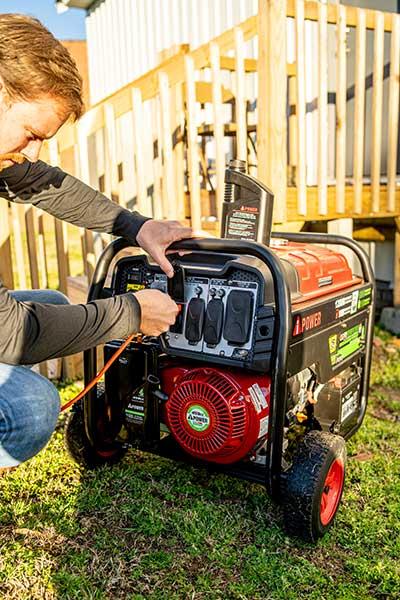
You can usually determine bonding status by:
- checking the owner’s manual
- looking for a “neutral bonded to frame” label
- reviewing manufacturer documentation
- testing continuity between neutral and ground with the generator off
Never assume all generators are wired the same way.
When You Should Call an Electrician
You should strongly consider professional help if:
- you are installing a transfer switch
- you are unsure about neutral bonding
- GFCI outlets trip unexpectedly
- you are wiring into a main panel
- you are uncertain about local code requirements
Generator grounding mistakes can create serious shock and fire hazards.
Final Thoughts
Portable generator grounding is not as simple as “always use a ground rod” or “never use a ground rod.”
The correct setup depends on:
- bonded vs floating neutral design
- transfer switch configuration
- NEC requirements
- how the generator is connected
- local electrical code enforcement
For most residential backup power systems connected through proper transfer equipment, the home’s grounding system already provides the grounding path.
The bigger safety concern is avoiding improper neutral bonding and unsafe DIY wiring shortcuts.
When in doubt, verify your generator configuration and consult a licensed electrician before connecting portable backup power equipment to your home.