Starting Watts vs Running Watts: Why Generators Overload
One of the biggest mistakes homeowners make when buying a generator is only looking at the running watt number. Then the outage happens, the refrigerator starts, the sump pump kicks on, or the furnace blower engages — and suddenly the generator overloads, trips, bogs down, or shuts off.
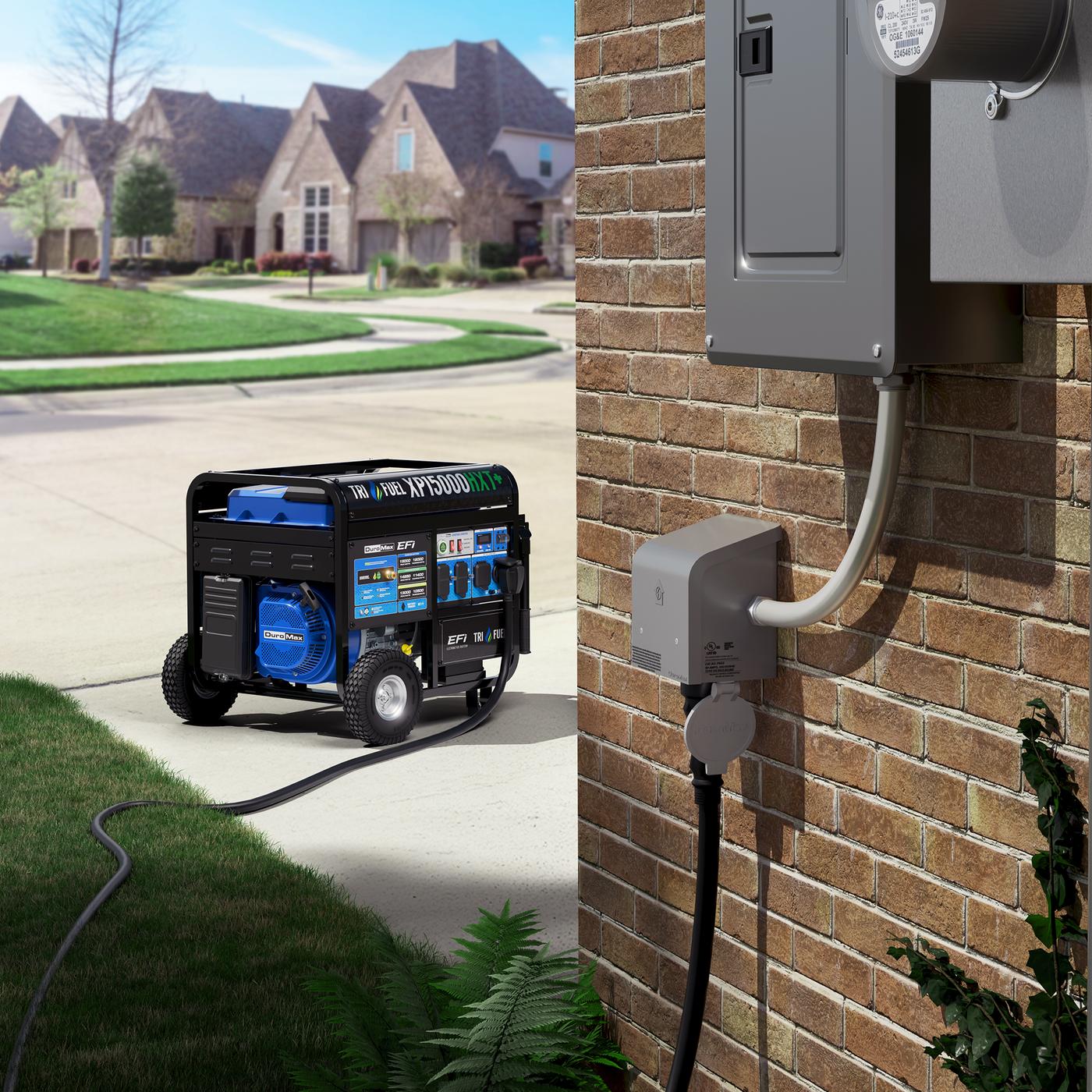
The reason usually comes down to one thing: starting watts. Many household appliances need a temporary surge of extra power when motors first start spinning. If your generator cannot handle that startup surge, problems happen fast.
What Are Running Watts?
Running watts, also called rated watts, are the amount of power an appliance needs continuously while operating normally.
Examples include:
- A refrigerator after the compressor is already running
- A furnace blower already spinning
- Lights staying on
- A television operating
- A microwave heating food
These are the steady power demands your generator must support for extended periods.
Key point: Running watts tell you what an appliance needs after it is already operating. They do not always tell you what it needs to start.
What Are Starting Watts?
Starting watts, also called surge watts or startup watts, are the temporary burst of power needed when an electric motor first starts.
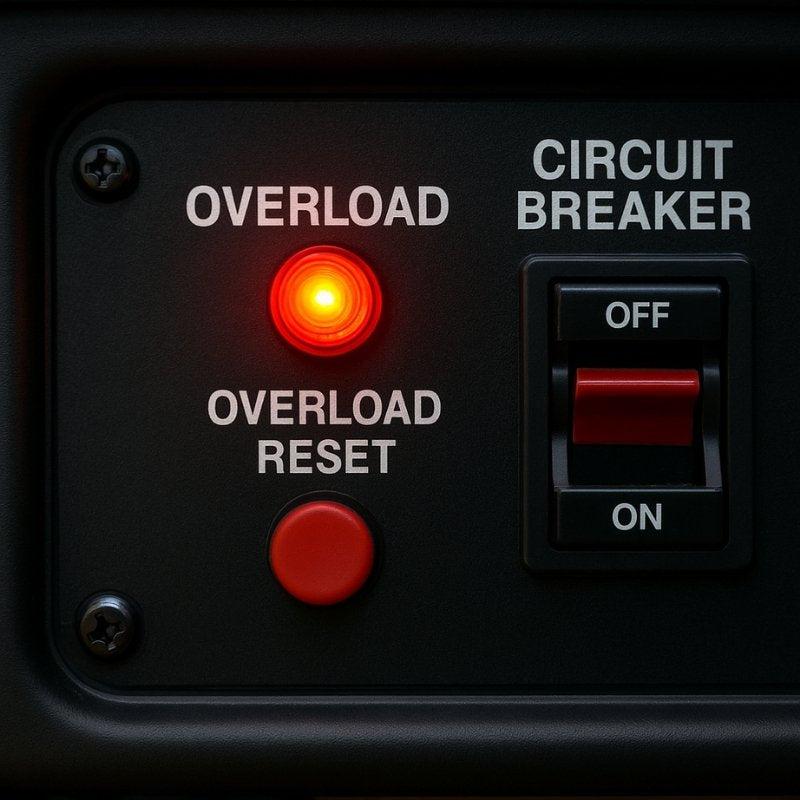
This startup surge usually lasts only a short time, but it can be several times higher than the normal running wattage.
Common surge appliances include:
- Refrigerators
- Freezers
- Sump pumps
- Well pumps
- Furnace blowers
- Window air conditioners
- Central air conditioners
Running Watts vs Starting Watts Example
| Appliance | Estimated Running Watts | Estimated Starting Watts |
|---|
| Refrigerator | 700W | 2,000W |
| Furnace Blower | 600W | 1,200W |
| Sump Pump | 1,000W | 3,000W |
| Window AC | 1,200W | 2,400W |
| Well Pump | 1,000W | 2,500W+ |
Estimate Your Real Generator Load
Startup surge is one of the biggest reasons generators overload during outages.
Before buying a generator, calculate your actual appliance load and estimated
startup demand using our interactive tool.
- Running watts
- Starting watts
- Motor startup surge
- Realistic outage loads
Open Load Calculator →
This is why a setup that looks fine on paper can still overload a generator in real life.
This is why a setup that looks fine on paper can still overload a generator in real life.
Why Generators Overload
Generators overload when the total demand from your home exceeds what the generator can safely supply. This often happens when multiple motor-driven appliances try to start at the same time.
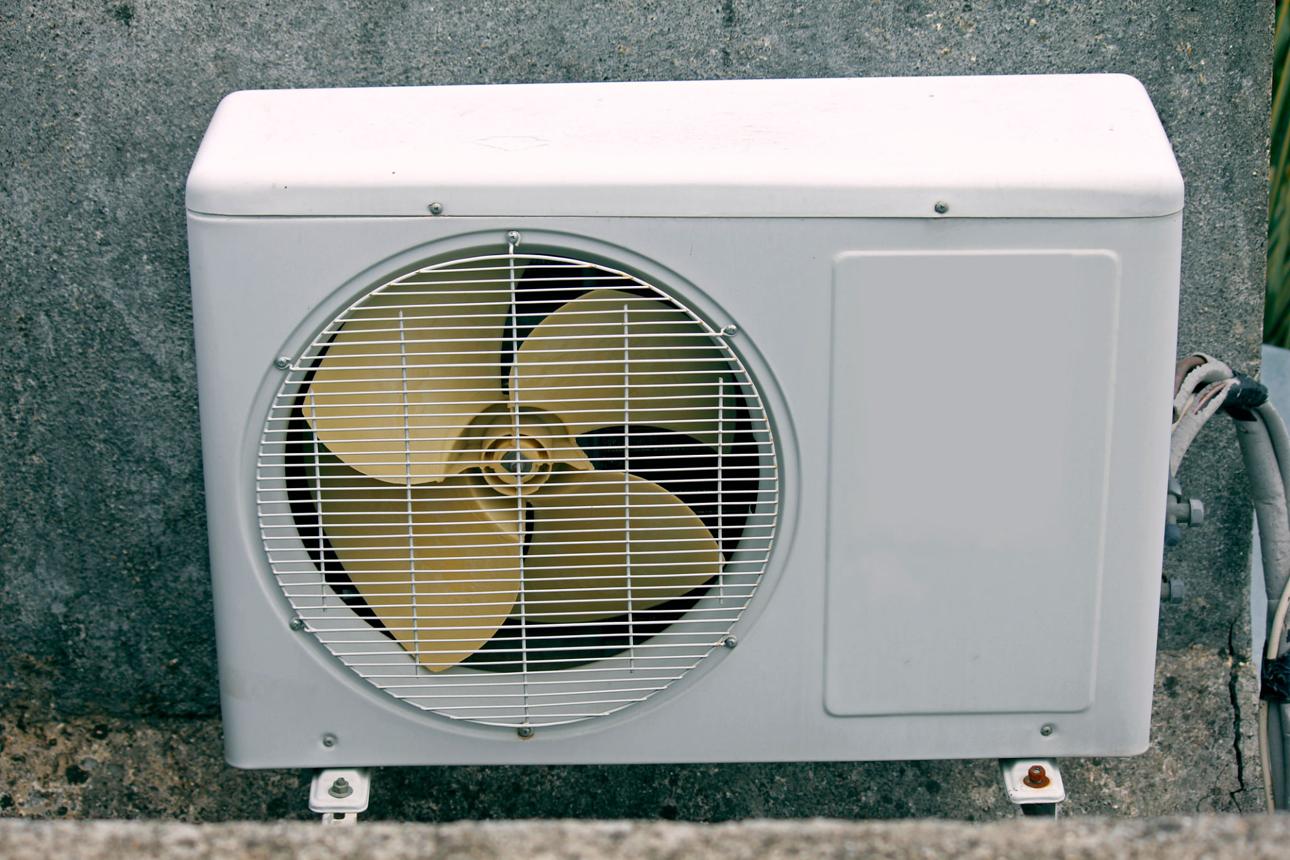
Common overload symptoms include:
- Generator breaker trips
- Generator bogs down
- Engine struggles under load
- Lights dim or flicker
- Appliances fail to start
- Overload warning light turns on
- Generator shuts off
Example: Your refrigerator, sump pump, and furnace blower may all run fine individually. But if they start at the same time, the combined startup surge may exceed your generator’s capacity.
The Biggest Startup Surge Appliances
Air Conditioners
Central AC systems can have very high startup surges. This is one reason many portable generators struggle to run whole-home air conditioning.
Sump Pumps
Sump pumps are often overlooked, but they can surge hard at startup — especially during storms when backup power matters most.
Well Pumps
Well pumps are mission-critical for rural homes and can require much more power to start than they use while running.
Refrigerators & Freezers
Compressors cycle on and off repeatedly, creating repeated startup surges throughout an outage.
Why Generator Ratings Can Be Confusing
Most generators advertise both running watts and starting watts.
For example, a generator may be listed as:
- 7,500 running watts
- 9,500 starting watts
The higher number is temporary. The generator cannot usually provide that surge rating continuously.
Important: A generator advertised as “9,500 watts” may realistically be a 7,500-watt continuous generator.
How to Prevent Generator Overloads
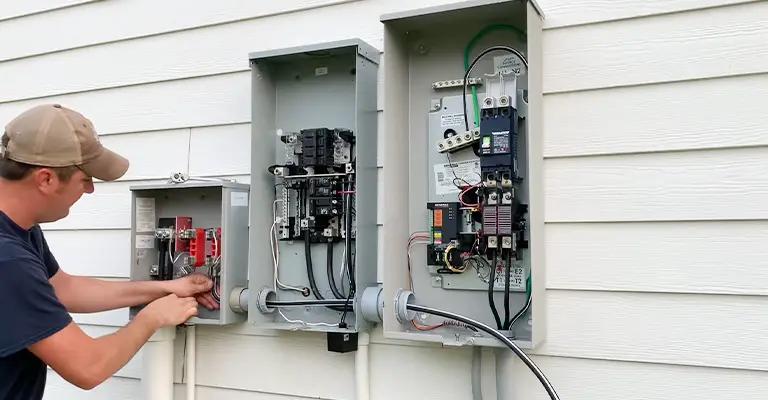
1. Size for Startup Surges
Do not only add up running watts. Account for motor startup, compressor startup, and the chance that multiple appliances may cycle at the same time.
2. Avoid Starting Everything at Once
Load management matters. Let one major appliance stabilize before turning on another large load.
3. Leave Headroom
Try not to run your generator at maximum output continuously. A good target is often around 70–80% sustained load so the generator has room for startup surges.
4. Consider Soft Start Kits for AC
Soft start kits can reduce the startup surge from some air conditioning systems, making them easier for a generator to handle.
Portable Generator Reality Check
Many homeowners assume a large portable generator can run everything in the house. Sometimes it can run a lot — but only with realistic load management.
A well-planned portable generator setup may handle:
- Refrigerator
- Freezer
- Gas furnace blower
- Sump pump
- Lights
- Internet equipment
- Selected outlets
But large central AC systems, electric heat, electric dryers, electric ranges, and other heavy loads may require a much larger setup.
Final Thoughts
Starting watts are one of the most misunderstood parts of generator sizing. A generator may appear large enough on paper, yet still overload because motor startup surges briefly exceed its capacity.
Understanding running watts, startup surge, and load management helps homeowners avoid undersized generators, overload shutdowns, wasted money, and unsafe backup power setups.