States With the Most Power Outages (Ranked 2026)
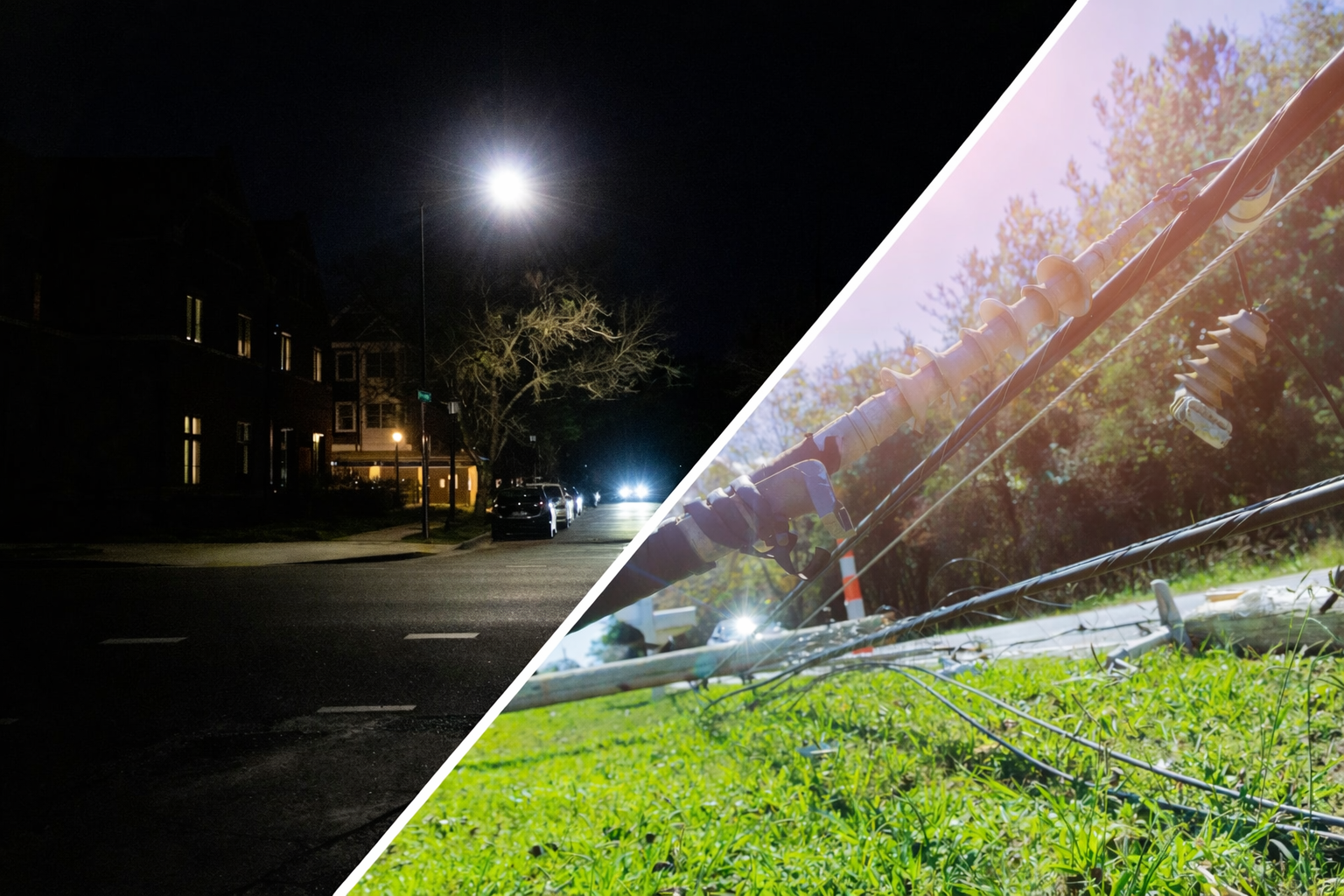
Power outages aren’t random. They follow patterns — weather, infrastructure age, grid strain, and geography. Using multi-year outage trend data from federal energy reporting, storm frequency patterns, and utility reliability reports, we ranked the U.S. states most prone to frequent or extended power outages.
Top 10 States With the Most Power Outages
Extreme heat grid strain, winter storm events, rapid population growth, and a massive customer base make Texas consistently rank at the top for outage events.
Wildfires, Public Safety Power Shutoffs (PSPS), and high infrastructure demand contribute to frequent preventive and storm-related outages.
Hurricanes, tropical storms, and lightning activity create some of the highest storm-driven outage totals in the country.
Gulf Coast hurricanes and flooding damage distribution lines regularly.
Nor’easters, heavy snow, and aging grid sections drive outage frequency.
Ice storms and dense tree coverage create repeated line damage events.
Coastal hurricanes plus inland storm systems increase exposure risk.
Severe thunderstorms and tornado clusters contribute to repeated regional outages.
Windstorms and aging infrastructure combine with high tree density.
Winter systems and wind events create steady outage patterns across the state.
States With the Longest Restoration Times
Frequency isn’t the only risk. Some states experience fewer outages — but when they occur, restoration takes longer due to rural infrastructure density.
Maine – Large rural service areas slow restoration.
Vermont – Mountain terrain + low population density.
West Virginia – Difficult repair access.
Mississippi – Storm severity combined with regional grid vulnerability.
Why Certain States Rank Higher
1. Severe Weather Frequency – Hurricanes, ice storms, heat waves, wildfires.
2. Tree Density – Falling limbs remain a leading cause of line damage.
3. Infrastructure Age – Older transmission and distribution systems fail more often.
4. Population Growth – Sunbelt expansion strains grid capacity.
What This Means for Homeowners
If you live in one of these high-risk states, backup power becomes less of a luxury and more of a risk-management decision.
➡ See our Whole House Generator Cost Guide
➡ Learn How to Size a Generator for Your Home
Methodology: Rankings are based on multi-year outage frequency trends, federal energy reporting data, storm frequency statistics, and publicly available utility reliability metrics (SAIDI/SAIFI indicators). Rankings reflect relative exposure risk, not absolute outage totals.