Which Appliances Are Known to Draw the Most Power?
When planning a backup power system, one of the most important questions is:
Many homeowners assume that lights or televisions consume the most power. In reality, heating and cooling equipment, water heating, and electric cooking appliances are usually the biggest electrical loads in a home.
Understanding these power demands helps you:
- Choose the correct generator size
- Build an appropriately sized battery bank
- Select the right inverter
- Estimate how long your backup system will last during an outage
- Prioritize which appliances should stay powered
The Biggest Household Power Consumers
| Appliance | Typical Running Watts | Typical Starting Surge |
|---|---|---|
| Central Air Conditioner | 2,000–5,000 W | 4,000–9,000 W |
| Electric Water Heater | 4,000–5,500 W | None—resistive load |
| Electric Furnace | 10,000–25,000 W | Varies by equipment |
| Electric Range or Oven | 2,000–5,000 W | Minimal surge |
| Clothes Dryer | 3,000–6,000 W | Motor startup surge |
| Level 2 EV Charger | 3,500–11,500 W | Minimal surge |
| Heat Pump | 2,000–5,000 W | 4,000–8,000 W |
| Hot Tub | 3,000–6,000 W | Low to moderate |
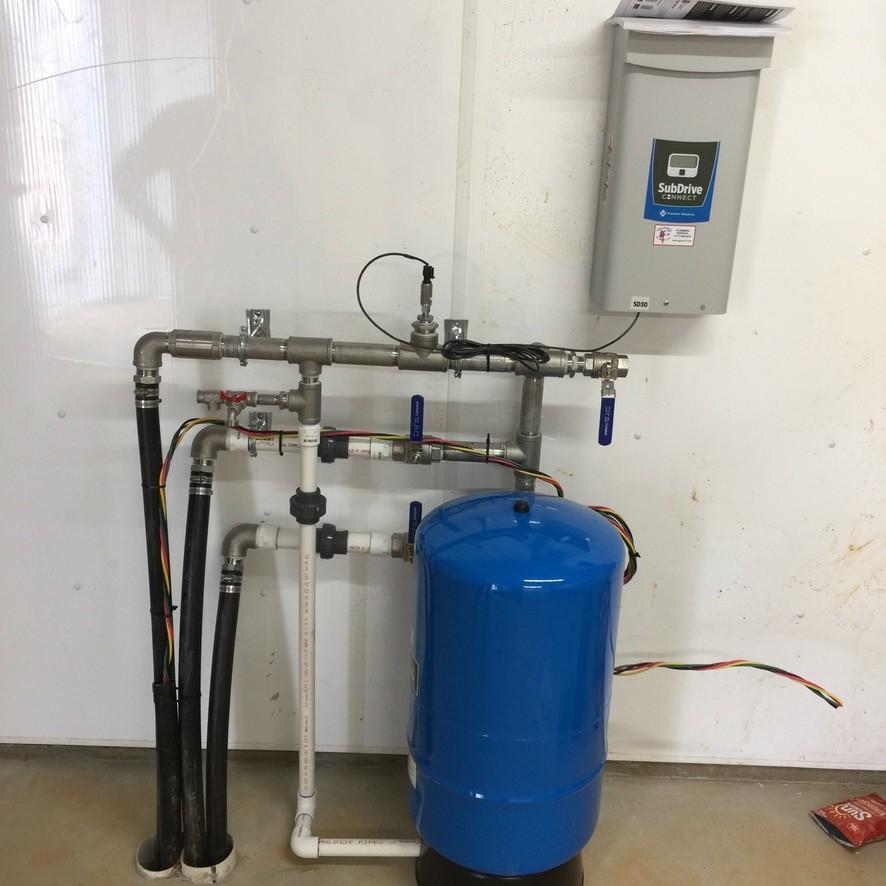
| Well Pump | 700–2,000 W | Up to 3× running watts |
| Refrigerator | 100–800 W | 1,200–2,000 W |
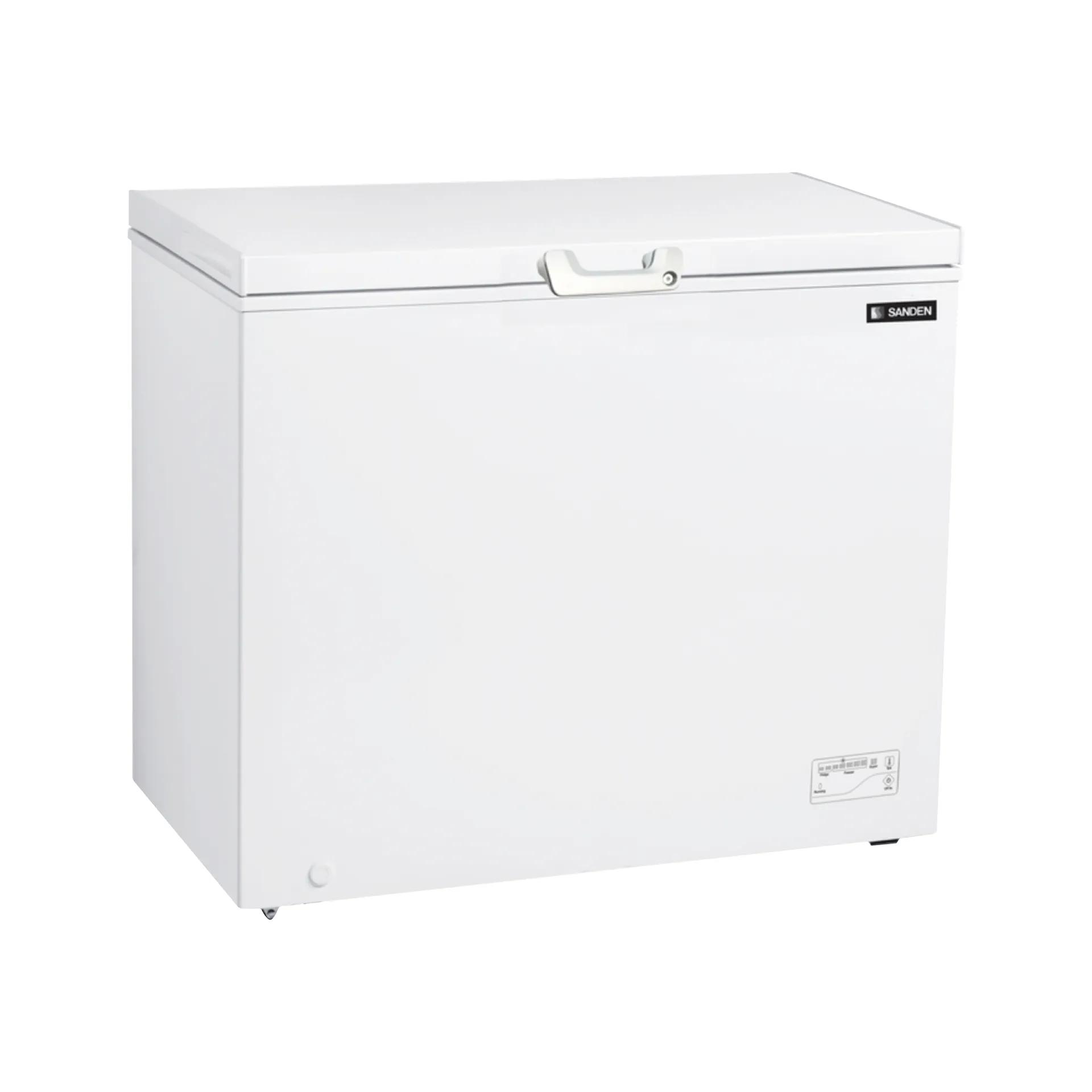
| Chest Freezer | 150–700 W | 1,000–2,000 W |
| Microwave | 1,000–1,800 W | Minimal surge |
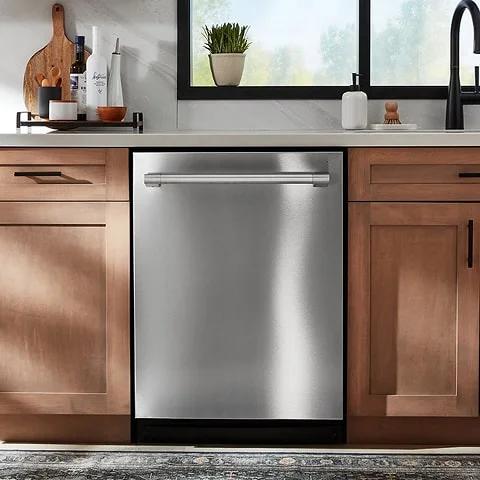
| Dishwasher | 1,200–1,800 W | Low to moderate |
| Coffee Maker | 800–1,500 W | Minimal surge |
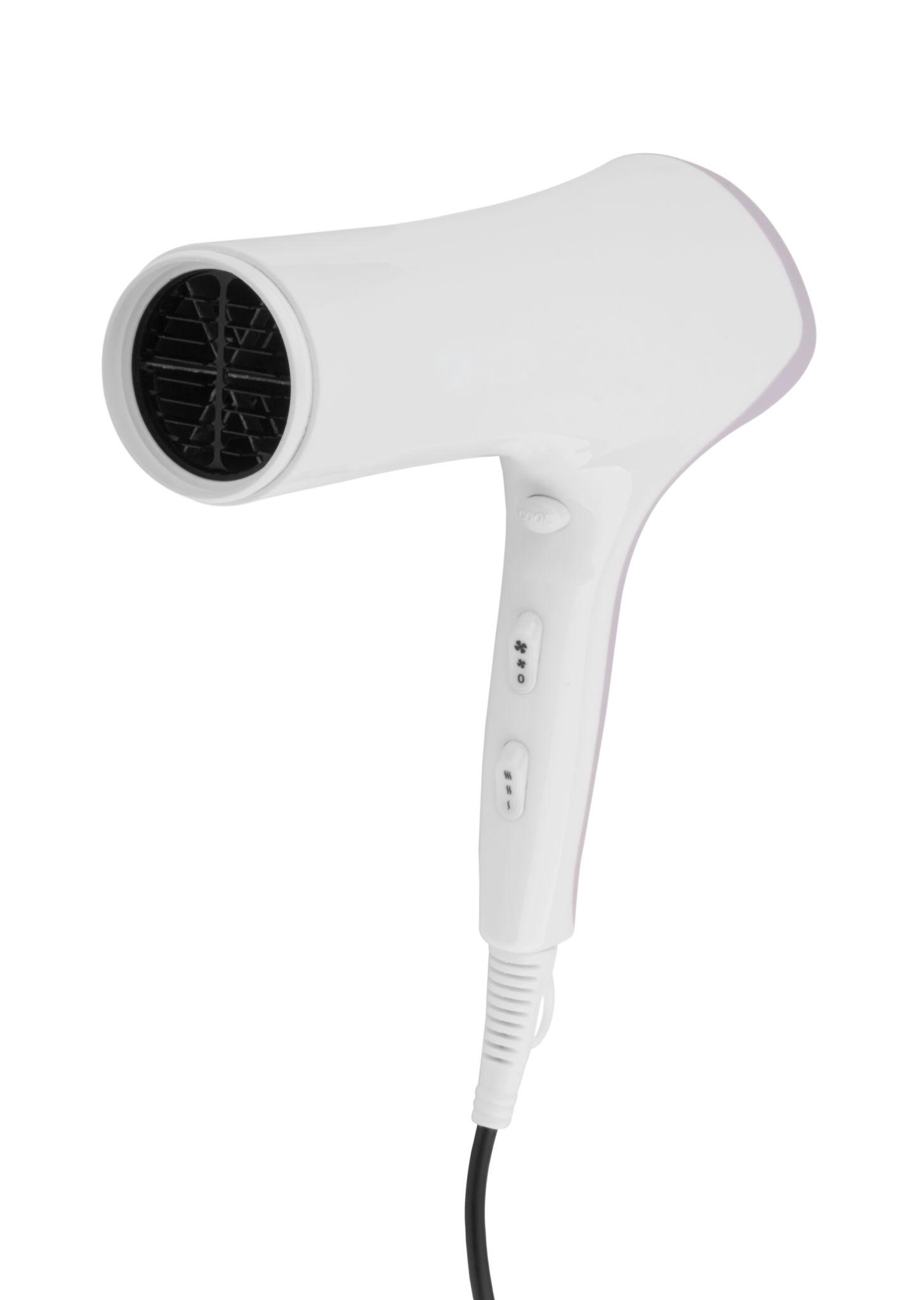
| Hair Dryer | 1,200–1,900 W | Minimal surge |
| Space Heater | 1,500 W | None—resistive load |
These figures are general planning estimates. Actual wattage can vary by appliance size, age, efficiency, voltage, operating mode, and manufacturer. Always check the appliance nameplate or product manual before sizing a generator, inverter, or battery system.
1. Electric Heating
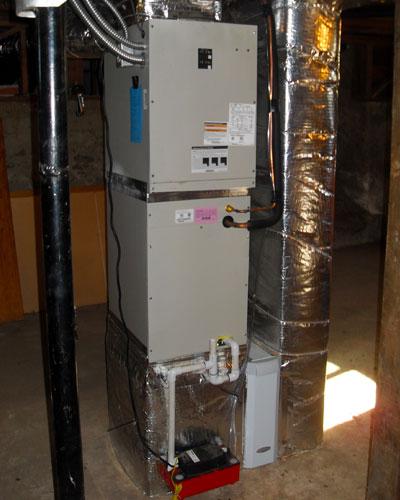
Electric resistance heating is one of the largest energy users in a home.
Examples include:
- Electric furnaces
- Electric baseboard heaters
- Portable space heaters
- Electric fireplaces
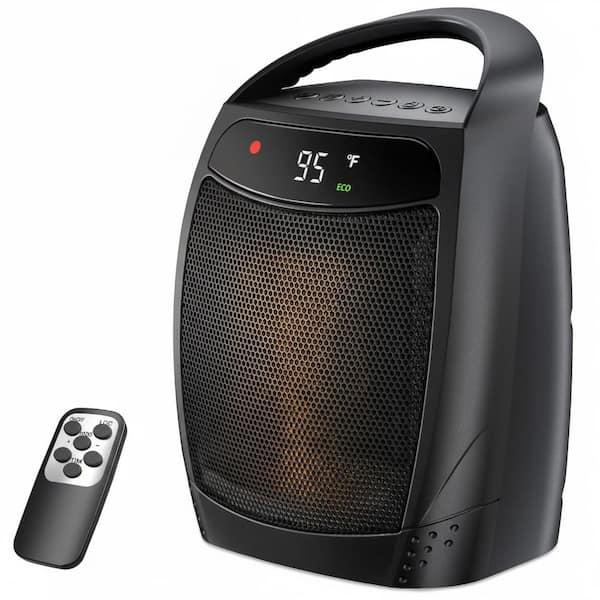
Most portable space heaters consume about 1,500 watts continuously, while a whole-home electric furnace may require 10,000 to 25,000 watts.
Because of these enormous power requirements, electric resistance heating is often impractical for a battery backup system unless the system has a very large inverter and battery bank.
2. Water Heating
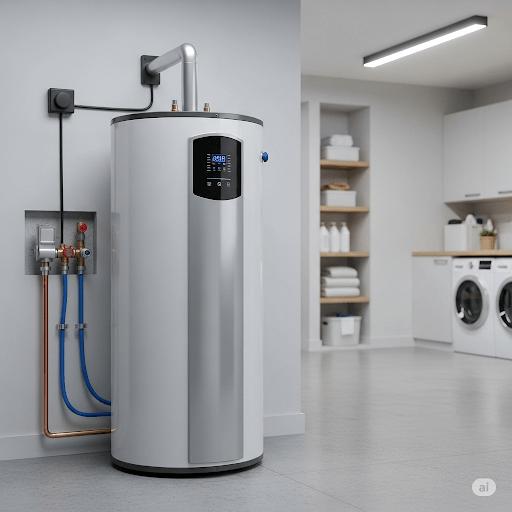
Electric water heaters are deceptively power-hungry.
Although an electric water heater cycles on and off, it can place a substantial load on a generator, inverter, or battery bank whenever its heating elements activate.
When backup power is limited, many homeowners leave the electric water heater turned off until utility power returns.
3. Air Conditioning and Heat Pumps
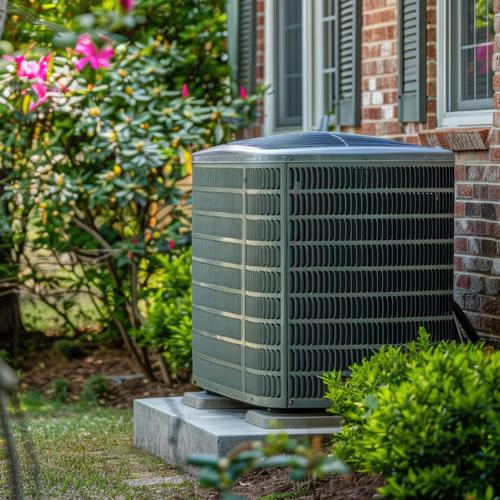
Central air conditioners and heat pumps can be challenging backup power loads because they may require both high running power and a very high momentary startup surge.
- Running power: 2,000–5,000 watts
- Startup surge: 4,000–9,000 watts
A properly selected soft-start device can reduce compressor startup current, making certain air conditioners easier to operate from a generator or sufficiently powerful battery inverter.
4. Electric Cooking Appliances
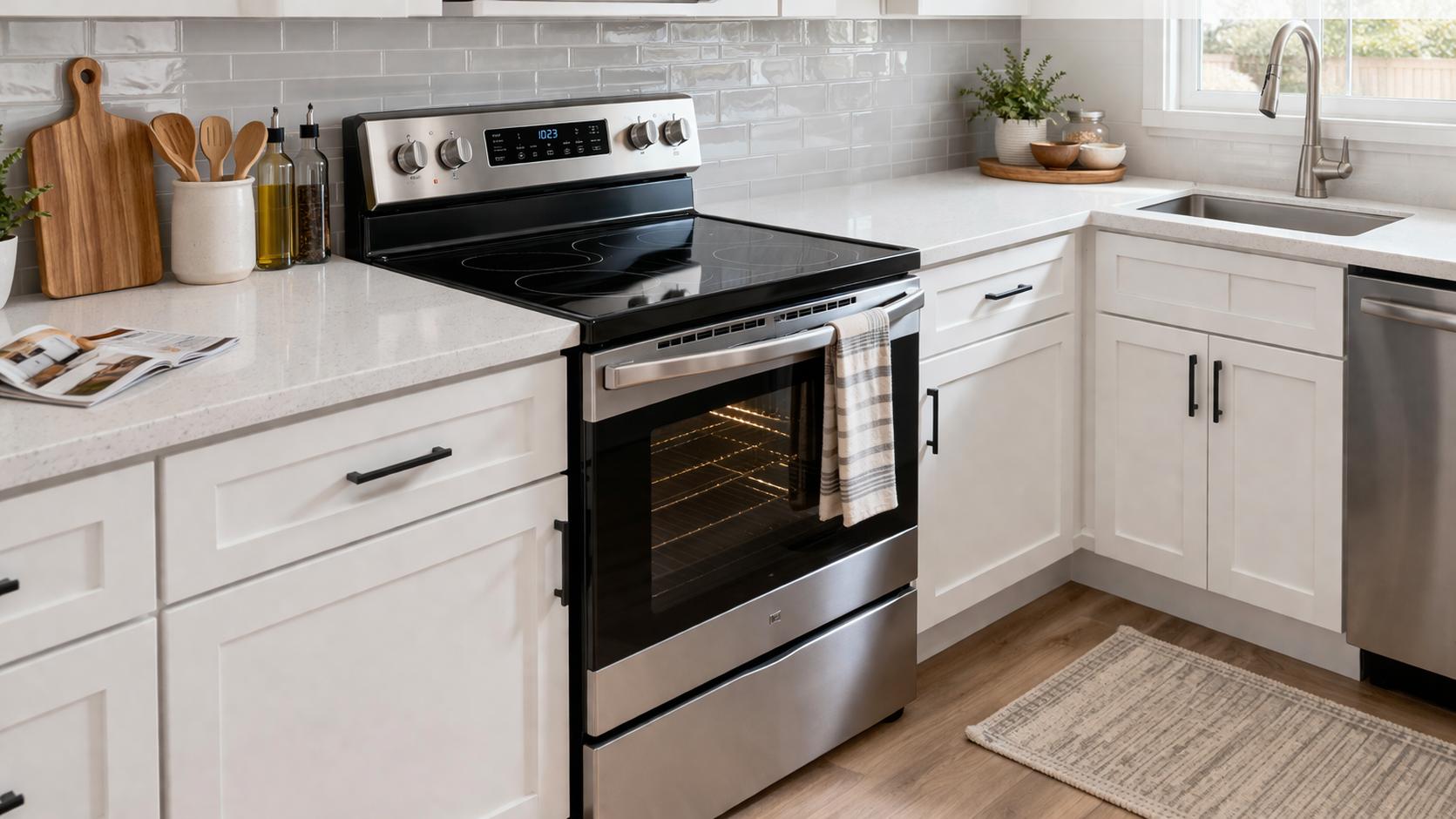
Cooking appliances convert electricity into heat, which requires a substantial amount of power.
- Electric oven: 2,000–5,000 watts
- Electric stove burner: 1,200–2,500 watts
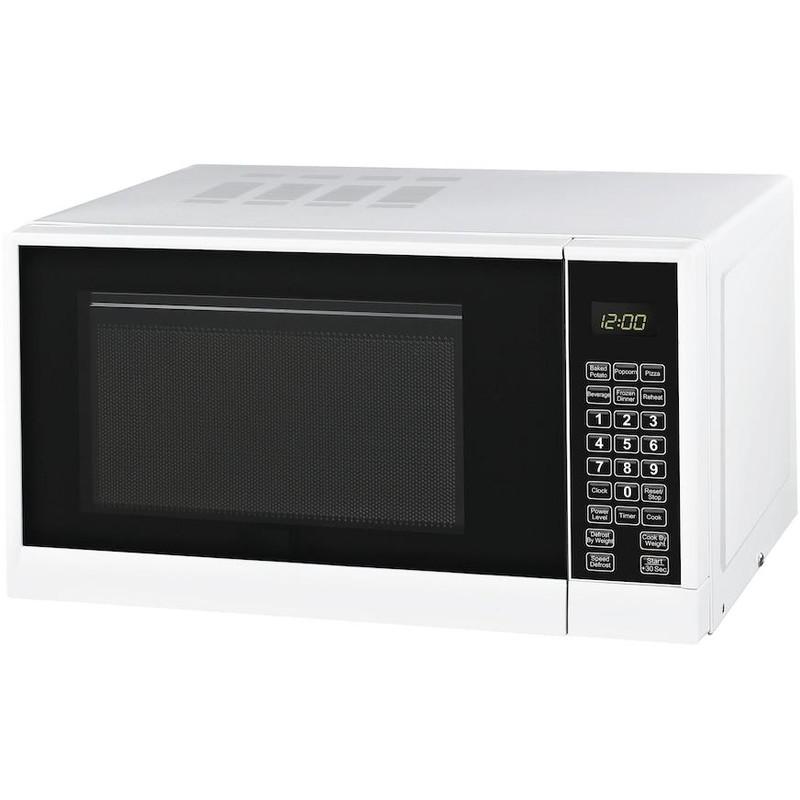
- Microwave: 1,000–1,800 watts
- Air fryer: 1,200–1,800 watts
- Toaster: 800–1,500 watts
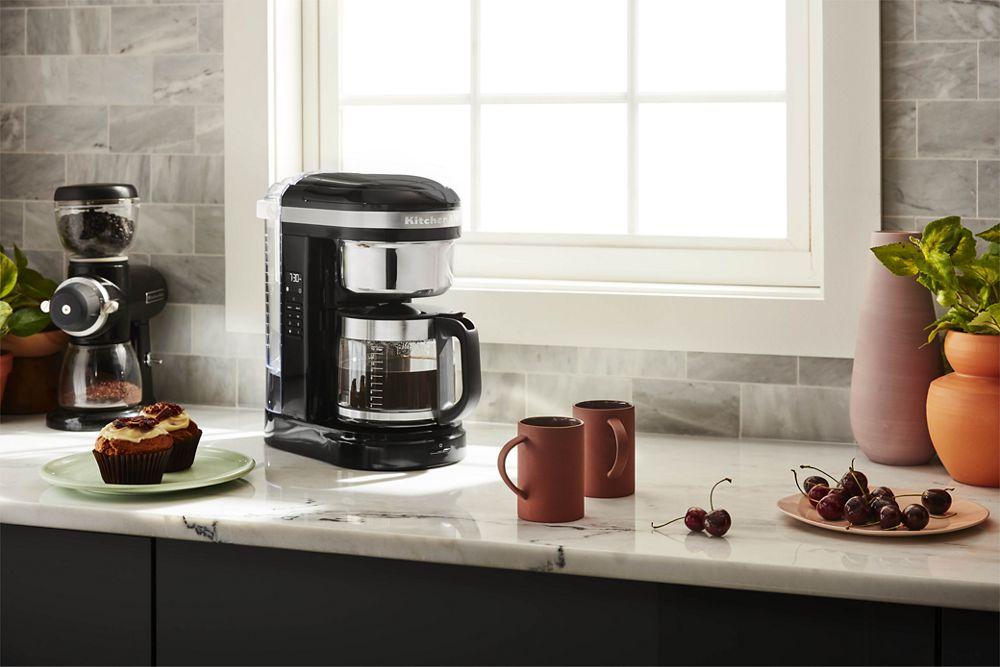
- Coffee maker: 800–1,500 watts
Any outdoor grill, camp stove, or fuel-fired cooking equipment must be used outdoors and according to its safety instructions because of carbon monoxide and fire risks.
5. Clothes Dryers
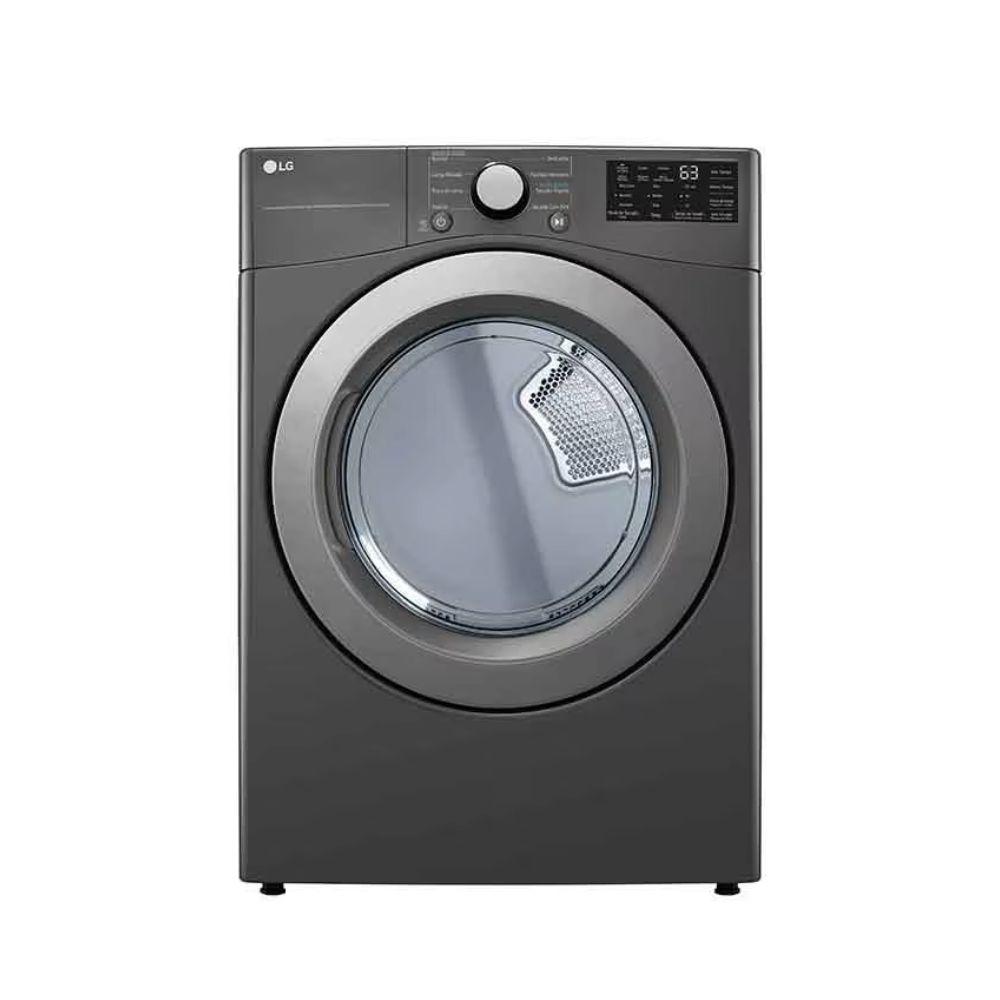
Since drying clothes is rarely an immediate emergency, an electric dryer is usually left off when a home is operating from limited backup power.
6. Electric Vehicle Chargers
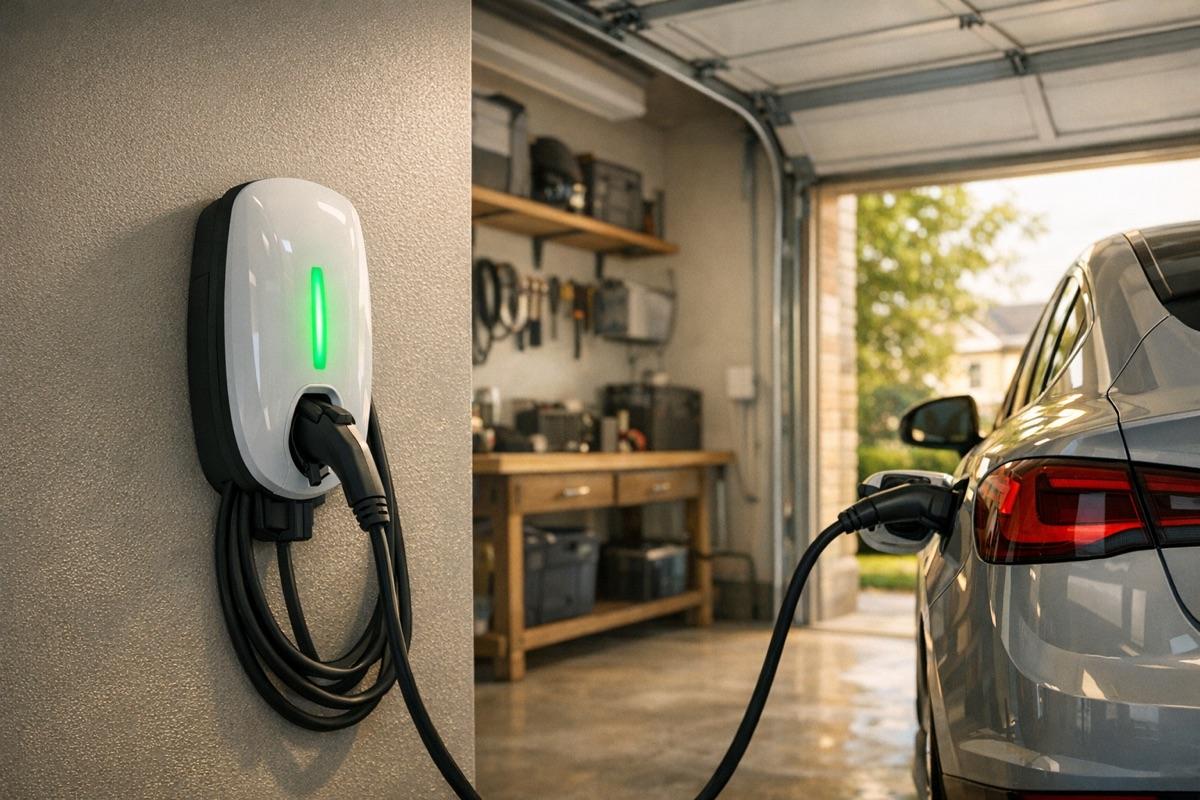
Modern Level 2 EV chargers can be among the largest continuous electrical loads in a home.
- 3.5 kW
- 7.2 kW
- 9.6 kW
- 11.5 kW
Charging an electric vehicle during a prolonged outage may rapidly deplete a home battery system unless the system was specifically designed for EV charging.

7. Hot Tubs
A hot tub is generally considered a nonessential load during an outage. Disconnecting or disabling it can preserve generator capacity or stored battery energy.
8. Refrigerators and Freezers
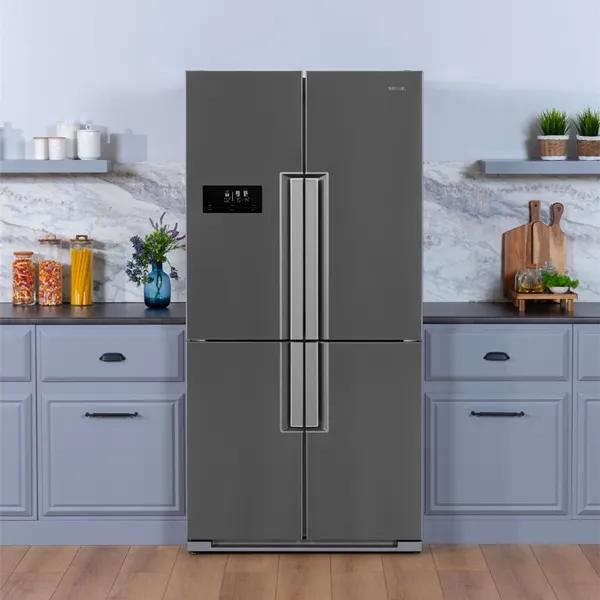
- Refrigerator running power: 100–800 watts
- Refrigerator startup surge: 1,200–2,000 watts
- Chest freezer running power: 150–700 watts
Because their compressors cycle on and off, refrigeration appliances can have a relatively low average daily energy requirement. They are among the most important loads to support during an outage.
9. Well Pumps
- Typical running power: 700–2,000 watts
- Typical startup surge: Two to three times the running load
A generator or inverter must have enough surge capacity to start the pump without shutting down or producing a severe voltage drop.
10. Dishwashers
A dishwasher is usually not a priority load during a short outage. Turning off heated drying can reduce its energy consumption.
Which Appliances Should You Power First?
When generator capacity or stored battery energy is limited, prioritize appliances and circuits that protect health, safety, food, water, and communications.
- Refrigerator
- Freezer
- Well pump, if applicable
- Furnace blower, boiler controls, or heat-pump controls
- Necessary medical equipment
- Internet modem and router
- Essential lighting
- Phones and communication devices
Final Thoughts
The largest electrical loads in most homes are appliances that create heat or operate large motors and compressors. By understanding which appliances consume the most electricity, you can design a backup power system that is practical and cost-effective.
Rather than attempting to power every appliance simultaneously, many homeowners achieve better results by focusing on essential loads first. This can allow for a smaller generator or battery bank while still maintaining refrigeration, water, communications, lighting, and other critical household functions.
Knowing both the running wattage and startup surge of your appliances is the foundation of a reliable emergency power plan.