How to Connect a Generator to Your House
There are only a few safe ways to connect a portable generator to a house. This guide explains the 3 main options, what each one is best for, and the dangerous shortcut you should never use.
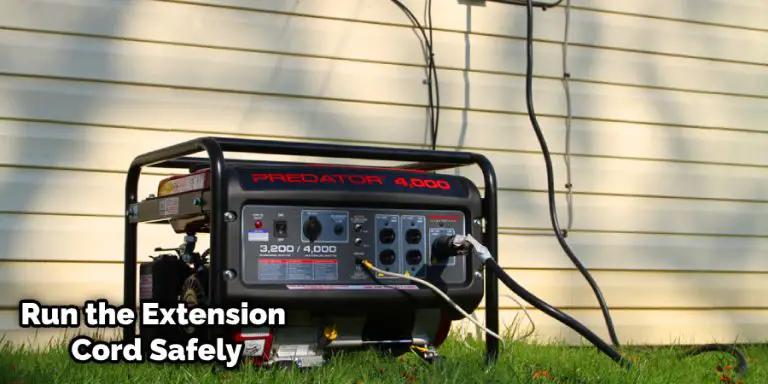
⚠️ Read This First: Generator Backfeeding Is Dangerous
A portable generator can safely power part of your home during an outage, but only when it is connected the right way.
The wrong setup can send electricity backward into utility lines, damage your electrical panel, shock someone, or start a fire.
The biggest mistake is using a homemade double-male cord to plug a generator into a dryer outlet, range outlet, or wall outlet. That is called backfeeding, and it is not a safe generator connection method.
The 3 Safe Ways to Connect a Generator to a House
For most homeowners, the safe options come down to these three setups:
1. Extension Cords
Best for: Fridge, lights, chargers, small essentials.
Cheapest and simplest.
2. Interlock Kit
Best for: Powering selected circuits through your electrical panel.
Best value for many homes.
3. Transfer Switch
Best for: A cleaner, more permanent generator setup.
Very user-friendly.
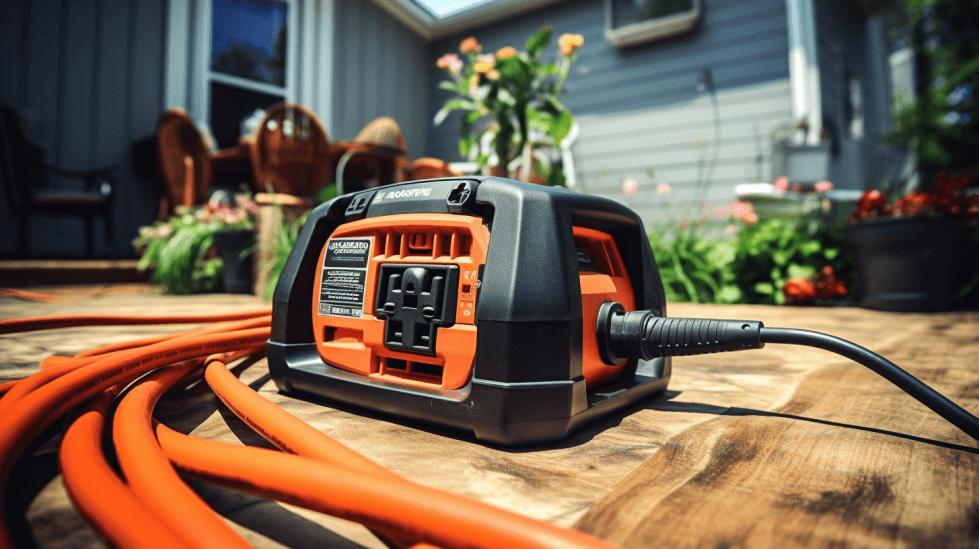
1. Use Heavy-Duty Extension Cords
The simplest way to use a portable generator is to plug appliances directly into the generator using outdoor-rated extension cords.
Best for:
- Refrigerator or freezer
- Phone chargers
- Lamps
- Internet modem/router
- Small appliances
Pros
- No electrical panel work required
- Lowest cost option
- Good for short outages
- Easy for beginners to understand
Cons
- You cannot power your whole house
- You may have cords running through doors or windows
- Not ideal for furnace circuits, well pumps, or hardwired loads
This is the safest beginner option, but it is limited. If you want to power circuits inside your panel, you need an interlock kit or transfer switch.
2. Use a Generator Interlock Kit
A generator interlock kit lets a portable generator feed selected circuits through your main electrical panel while preventing the main breaker and generator breaker from being on at the same time.
This matters because the interlock helps prevent generator power from backfeeding into the utility grid.
What this setup usually includes:
- Portable generator
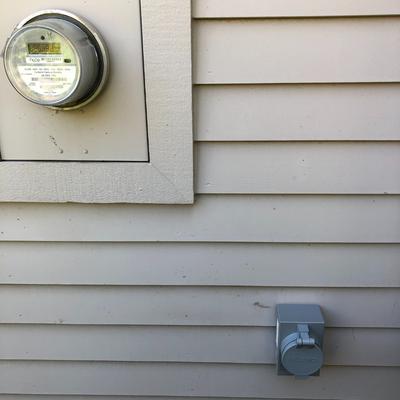
- Generator inlet box mounted outside
- Generator power cord
- Correct generator breaker
- Panel-specific interlock kit
- Proper wiring from the inlet to the panel
What homeowners often misunderstand
Your generator does not plug directly into your electrical panel. In a proper interlock setup, the generator connects to an exterior inlet box. That inlet feeds a generator breaker inside the panel, and the interlock prevents unsafe breaker positions.
Pros
- Can power multiple selected circuits
- Cleaner than running extension cords everywhere
- Often less expensive than a transfer switch
- Good option for refrigerators, lights, furnace blower circuits, and other selected loads
Cons
- Must match your exact electrical panel
- Usually requires an electrician or proper permitting
- You still need to manage generator load manually
Before Buying an Interlock Kit
The most important step is identifying your electrical panel brand and model. A Square D interlock will not automatically fit an Eaton, Siemens, GE, or Murray panel.
3. Use a Manual Transfer Switch
A manual transfer switch is another safe way to connect a generator to your home. Instead of feeding your main panel with an interlock, a transfer switch uses a separate switching device to move selected circuits from utility power to generator power.
Best for:
- Homeowners who want a clean, dedicated generator setup
- People who want clearly labeled backup circuits
- Homes where an interlock kit is not practical
- Permanent or semi-permanent backup power planning
Pros
- Safe and organized
- Easy to understand once installed
- Good for selected emergency circuits
- Common option for portable generator backup systems
Cons
- Usually costs more than an interlock kit
- May only power selected circuits
- Requires installation
Want to Compare Transfer Switch Setups?
If you are deciding between an interlock kit and a transfer switch, compare cost, convenience, panel compatibility, and how many circuits you actually need during an outage.
🚫 What NOT to Do: Never Backfeed Through an Outlet
Do not connect a generator to your house by plugging it into a dryer outlet, range outlet, or wall outlet with a double-male cord.
This kind of cord is often called a suicide cord because both ends can become energized. It is dangerous, illegal in many situations, and can seriously injure or kill someone.
Why backfeeding is dangerous:
- It can send power backward into utility lines
- It can endanger utility workers
- It can damage your generator or electrical panel
- It can overload wiring not designed for that use
- It bypasses the safety controls built into proper generator systems
If someone tells you to “just plug the generator into the dryer outlet,” stop. The safe alternatives are extension cords, a proper interlock kit, or a transfer switch.
Which Generator Connection Method Is Best?
The best option depends on what you want to power during an outage.
| Situation | Best Method | Why |
|---|---|---|
| Power a fridge, lights, and chargers | Extension cords | Simple, cheap, and safe for basic essentials |
| Power multiple home circuits | Interlock kit | Good balance of cost, flexibility, and safety |
| Want a clean dedicated setup | Transfer switch | Organized and easy to operate |
| Want whole-home automatic backup | Standby generator system | Most convenient, but most expensive |
Recommended Setup for Most Homeowners
For many homes, the best balance is:
Portable Generator + Exterior Inlet Box + Interlock Kit
This setup lets you keep the generator outside, connect through a proper inlet, and power selected circuits through your electrical panel without running extension cords all over the house.
It is not the cheapest option, but it is one of the most practical long-term setups for homeowners who want portable backup power without jumping straight to a full standby generator.
Final Thoughts
Connecting a generator to your house is not something to improvise. The safe options are simple once you understand them:
- Use extension cords for basic appliances.
- Use an interlock kit for selected circuits through your panel.
- Use a transfer switch for a clean dedicated backup setup.
- Never backfeed through an outlet.
If you are unsure which setup fits your home, start by identifying your electrical panel. That will tell you whether an interlock kit is realistic and what parts you may need.
Next Step
Before buying generator connection parts, identify your panel brand and model so you do not buy the wrong interlock kit.