
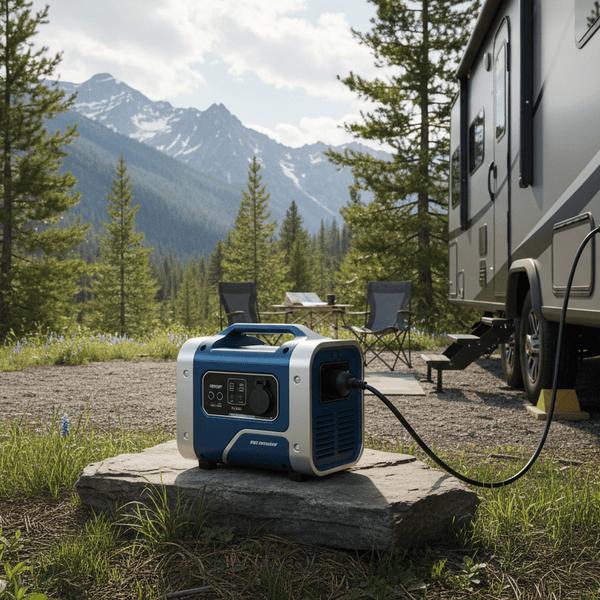
Portable Generator vs Inverter Generator: Which One Should You Buy?
Power outages, camping trips, job sites, tailgating events, and emergency preparedness all have one thing in common: you need reliable portable power.
If you’ve started shopping for a generator, you’ve probably noticed two major categories: traditional portable generators and inverter generators.
At first glance they may seem similar, but there are important differences in power quality, noise levels, fuel efficiency, and price.
In this guide, we’ll explain exactly how portable generators and inverter generators work, compare their pros and cons, and help you decide which one is the better choice for your needs.
Quick Answer
If you need the most power for the lowest price, a traditional portable generator is usually the better option.
If you want quieter operation, cleaner electricity for sensitive electronics, and better fuel efficiency, an inverter generator is often worth the extra cost.
For most homeowners looking for emergency backup power during outages, a traditional portable generator remains the most cost-effective solution.
What Is a Portable Generator?
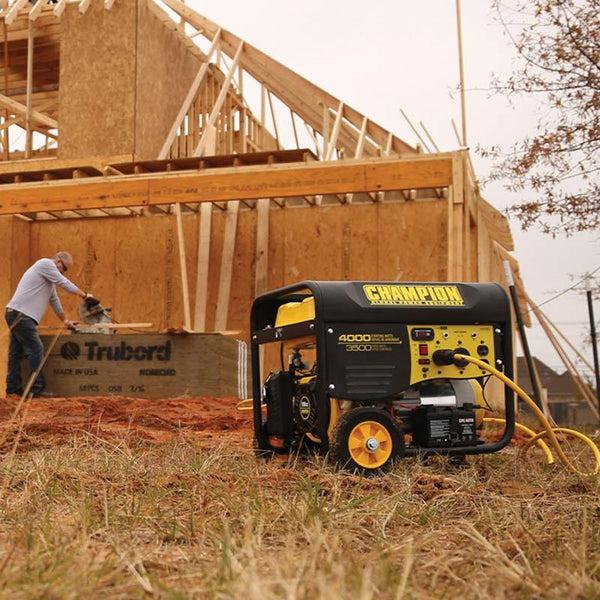
A traditional portable generator uses a gasoline, propane, or dual-fuel engine that directly drives an alternator to produce electricity.
These generators are designed to deliver large amounts of power and are commonly used for:
- Home backup power
- Construction sites
- Farms and ranches
- Emergency preparedness
- Large power tools
- Well pumps and HVAC systems
Many portable generators produce between 5,000 and 15,000 watts of power.
Advantages
- Lower purchase price
- Higher power output
- Better for whole-home backup
- Easier to find large-capacity models
- Can power heavy loads such as air conditioners and well pumps
Disadvantages
- Louder operation
- Heavier weight
- Less fuel efficient
- Power quality may fluctuate slightly
What Is an Inverter Generator?
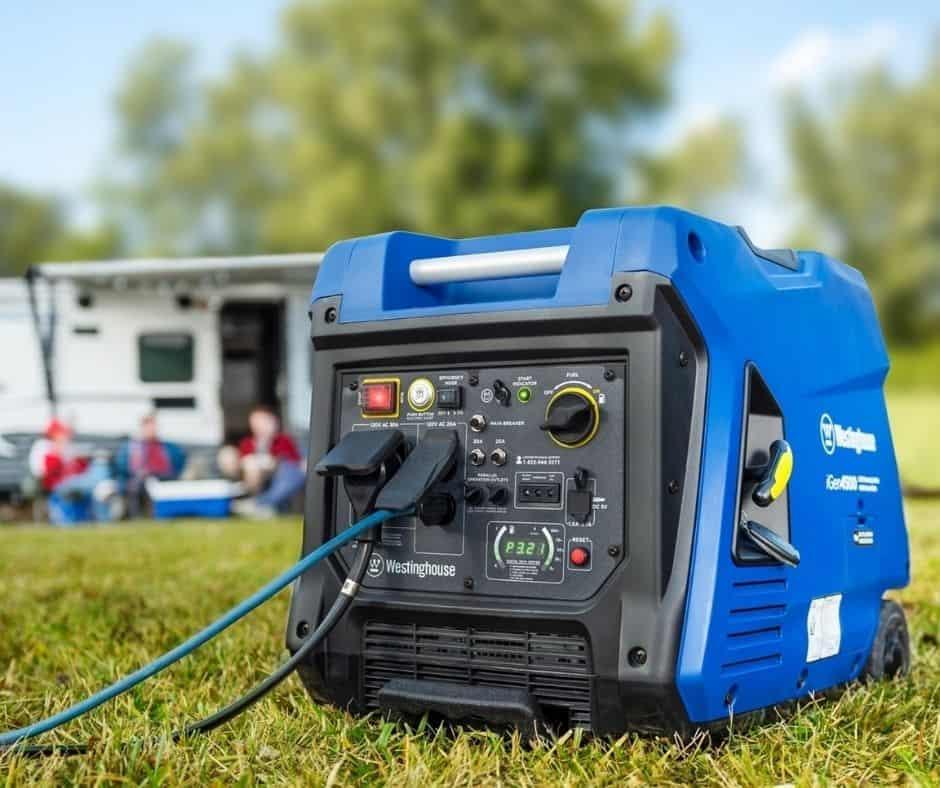
An inverter generator uses advanced electronics to create cleaner and more stable electricity.
Instead of sending power directly from the alternator to your devices, the generator converts power through an inverter system that regulates voltage and frequency.
This process creates electricity that is much closer to utility-grade power.
Inverter generators are commonly used for:
- Camping
- RVs
- Tailgating
- Home offices
- Sensitive electronics
- Medical equipment
- Portable power applications
Most inverter generators range from 1,000 to 8,000 watts.
Why Inverter Generators Produce Cleaner Power
One of the biggest advantages of inverter generators is their low Total Harmonic Distortion (THD).
Most inverter generators produce less than 3% THD.
This means they provide stable, clean electricity suitable for:
- Laptops
- Smartphones
- Televisions
- Gaming systems
- Wi-Fi routers
- CPAP machines
- Modern appliances
Traditional generators often produce higher THD levels, although many newer models have improved significantly.

Noise Comparison
When it comes to noise, inverter generators are the clear winner.
| Generator Type | Noise Level |
|---|---|
| Inverter Generator | 50–65 dB |
| Portable Generator | 65–85 dB |
Many inverter generators are quiet enough to carry on a normal conversation nearby.
Traditional generators are often significantly louder, especially under heavy load.
Fuel Efficiency Comparison
Inverter generators automatically adjust engine speed based on power demand.
This feature allows them to consume less fuel when powering small loads.
Traditional generators generally run at a constant speed regardless of electrical demand.
Result
Inverter generators often use 20% to 40% less fuel during light-load operation.
Power Output Comparison
If maximum power is your goal, traditional portable generators usually win.
| Generator Type | Typical Output |
|---|---|
| Inverter Generator | 1,000–8,000 Watts |
| Portable Generator | 5,000–15,000+ Watts |
For powering:
- Central air conditioning
- Electric water heaters
- Deep well pumps
- Large refrigerators
- Multiple household circuits
A traditional portable generator is usually the better choice.
Price Comparison
Inverter technology increases manufacturing costs.
As a result, inverter generators generally cost more per watt.
| Generator Type | Average Price Range |
|---|---|
| Portable Generator | $500–$2,000 |
| Inverter Generator | $700–$4,000+ |
Which Generator Is Best for Home Backup?
Choose a Portable Generator If:
- You need 5,000+ watts
- You want the lowest cost per watt
- You plan to power refrigerators, freezers, sump pumps, or well pumps
- Noise is not a major concern
Choose an Inverter Generator If:
- You need quiet operation
- You run sensitive electronics
- Fuel efficiency is important
- You want a generator for camping or RV use
Can an Inverter Generator Power a House?
Yes, but size matters.
Larger inverter generators can power:
- Refrigerators
- Lights
- Internet equipment
- Televisions
- Small appliances
However, most inverter generators cannot run an entire house with central air conditioning and multiple large appliances simultaneously.
For whole-house backup, a larger traditional generator is usually more practical.
Final Verdict
There is no single winner because the best choice depends on your needs.
Choose a traditional portable generator if you want maximum power at the lowest price and primarily need emergency home backup.
Choose an inverter generator if you value quiet operation, fuel efficiency, and clean electricity for sensitive electronics.
For most homeowners preparing for power outages, a quality portable generator paired with a transfer switch or interlock kit offers the best balance of cost, performance, and capability.
However, for campers, RV owners, and users running electronics, inverter generators are often worth every penny.