
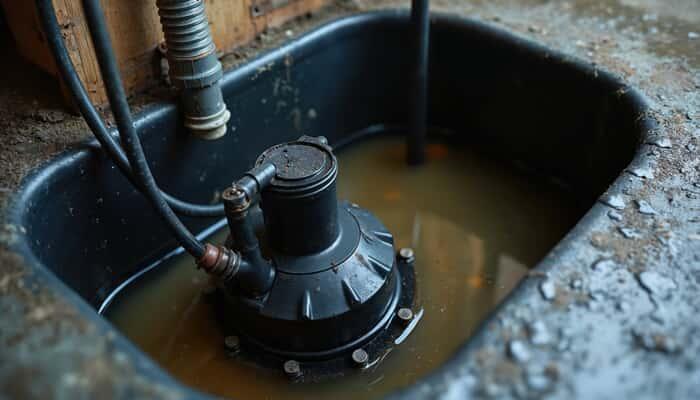
How Many Watts Does a Sump Pump Need? (Generator Sizing Guide for Homeowners)
A sump pump is one of the most important appliances in your home during a storm. Unfortunately, storms that bring heavy rain often bring power outages as well.
If your basement relies on a sump pump, knowing how much generator power it requires can help prevent costly flooding and water damage.
The good news is that most residential sump pumps don’t require a massive generator. However, many homeowners make the mistake of sizing a generator based only on running watts and forget about startup surge power.
Quick Answer
Most residential sump pumps require between 500 and 1,200 running watts, but startup wattage can be significantly higher.
| Pump Size | Running Watts | Starting Watts |
|---|---|---|
| 1/4 HP | 300-600 | 900-1,800 |
| 1/3 HP | 500-800 | 1,000-2,000 |
| 1/2 HP | 700-1,200 | 1,500-3,000 |
| 3/4 HP | 1,000-1,500 | 2,000-4,000 |
For many homes, a 2,000 to 3,500-watt generator is sufficient for a sump pump and a few additional essentials.
A sump pump is only one part of your home’s backup power needs. You may also want to power a refrigerator, freezer, furnace blower, lights, internet equipment, or medical devices during an outage.
Use our free Backup Power Sizing Wizard to estimate your home’s electrical load in about 60 seconds.
Try the Backup Power Sizing Wizard →
Why Startup Watts Matter
Electric motors draw extra power when they first start.
Running Watts = 600
Starting Watts = 1,500+
If your generator cannot handle this surge, the pump may fail to start even though it has enough power to run once operating.
When selecting a generator, always size it according to the starting watt requirement rather than the running watt requirement.
How to Determine Your Sump Pump’s Actual Power Requirements
The most accurate method is checking the motor nameplate.
Look for:
- Voltage
- Amperage
- Horsepower (HP)
You can estimate running watts using this formula:
Example:
Keep in mind that startup wattage may be two to four times higher than the calculated running wattage.
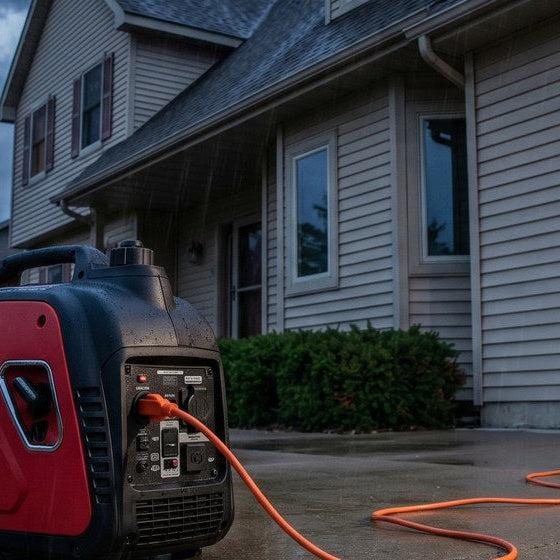
Generator Sizing Recommendations
2,000-Watt Generator
- Most 1/4 HP sump pumps
- Many 1/3 HP sump pumps
- Phone chargers
- Internet equipment
- Small electronics
3,500-Watt Generator
- Most residential sump pumps
- Refrigerator
- Freezer
- Lighting circuits
- Furnace blower motor
5,000-Watt Generator
- Larger sump pumps
- Multiple refrigerators
- Freezers
- Furnace
- Additional household circuits
Standby Generators
Whole-house standby generators generally range from 10,000 to 24,000 watts and can automatically power a sump pump along with most household electrical loads.
Battery Backup vs Generator
Many homeowners choose to install a battery backup system in addition to a portable generator.
Benefits of Battery Backup
- Starts automatically
- No fuel required
- Silent operation
- Immediate protection during outages
Benefits of a Generator
- Longer runtime
- Powers multiple appliances
- Better for extended outages
- Lower cost per hour of operation
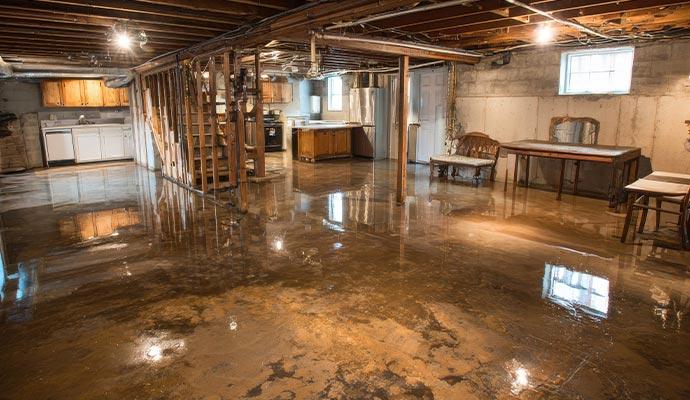
Common Mistakes Homeowners Make
Ignoring Startup Wattage
A generator may have enough running power but still fail to start the pump motor.
Using Undersized Extension Cords
Small extension cords can cause voltage drop and overheating.
Buying the Smallest Generator Possible
Having extra generator capacity provides flexibility and helps reduce stress on the generator during startup surges.
Forgetting Maintenance
A backup generator is only useful if it starts when needed. Test your generator regularly and keep fresh fuel available.
Frequently Asked Questions
Can a 2,000-Watt Generator Run a Sump Pump?
In many cases, yes. Most 1/4 HP and many 1/3 HP sump pumps can operate on a quality 2,000-watt generator.
Can a Sump Pump Run Continuously on a Generator?
Yes. As long as the generator is properly sized and maintained, it can power a sump pump continuously during an outage.
What Is the Best Generator Size for a Sump Pump?
For most homeowners, a generator in the 3,000 to 3,500-watt range provides enough power for a sump pump plus several additional essential appliances.
Final Thoughts
Most residential sump pumps require between 500 and 1,200 running watts, but startup wattage is the number that truly matters when sizing a generator.
Before purchasing a generator, check your sump pump’s specifications and account for startup surge power. A properly sized generator can keep your basement dry and potentially save thousands of dollars in water damage during a power outage.