BACKUP POWER EXPLAINED · SOLAR & BATTERY BACKUP
Will Solar Panels Work During a Power Outage?
Solar panels can lower your electric bill, but will they keep your refrigerator running when the neighborhood goes dark? The answer depends on the equipment connected to those panels.

Why Does Solar Shut Down When the Grid Goes Down?
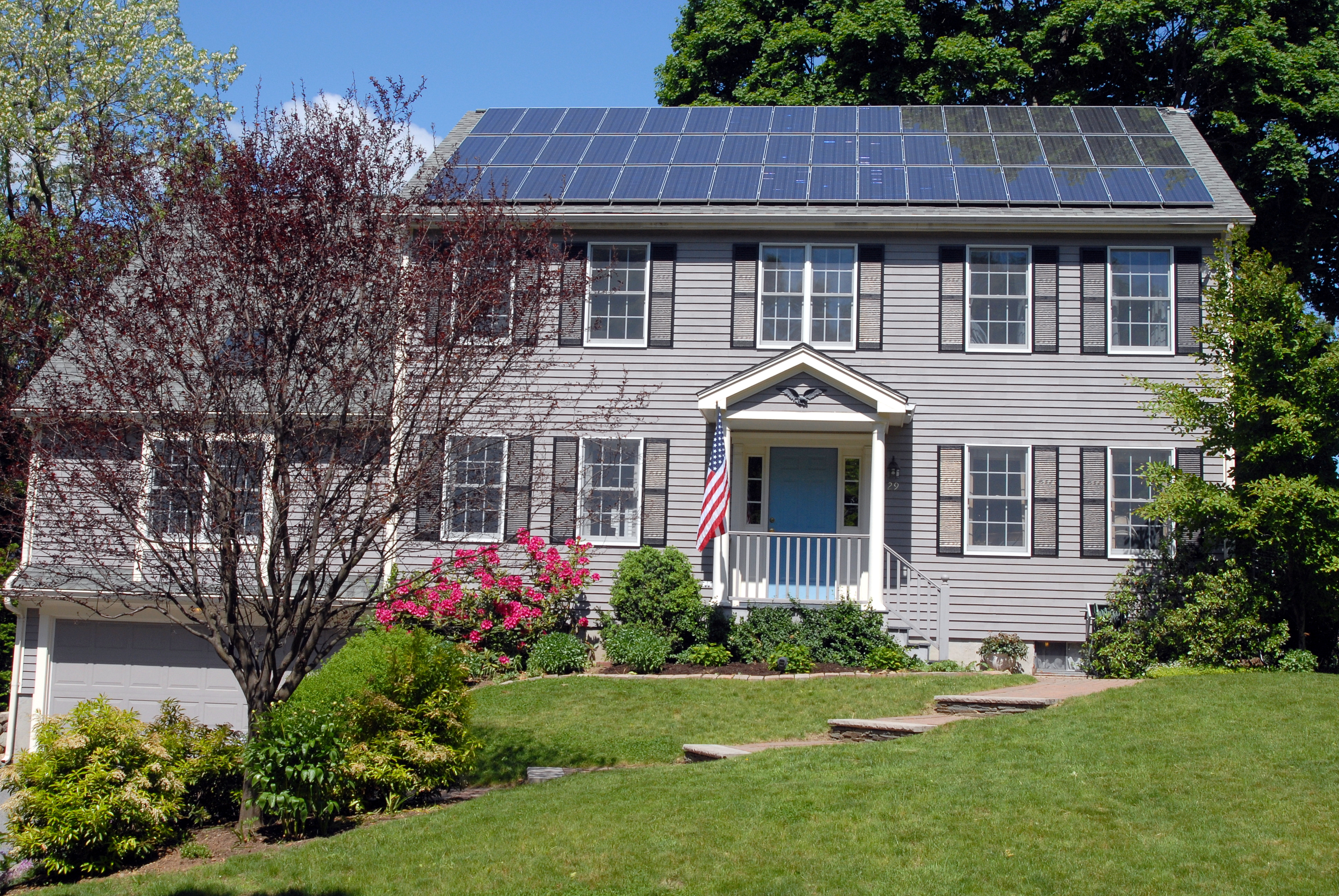
Solar panels generate direct current (DC). An inverter converts it into alternating current (AC) for household use. Ordinary grid-following inverters rely on the utility’s electrical signal. When that signal disappears, they stop supplying AC power.
This also prevents an ordinary solar installation from continuing to energize disconnected utility lines, a condition known as unintentional islanding. A backup system must safely isolate the home’s backed-up circuits from the grid before supplying them.
The panels may still generate DC voltage in sunlight even when your home has no power. An outage does not make solar wiring safe to touch.
Which Solar Systems Work During an Outage?
| System | Outage capability | Main limitation |
|---|---|---|
| Standard grid-connected solar | Normally none | Inverter shuts down when utility power is lost. |
| Solar with batteries and backup equipment | Can supply designated circuits day or night | Battery charge, inverter output, solar production, and system configuration. |
| Specialized battery-free solar backup | Limited backup in adequate sunlight | No stored solar energy for nighttime; changing sunlight can interrupt loads. |
| Off-grid solar with storage | Operates independently of utility outages | Still depends on adequate generation, storage, and equipment capacity. |
| Portable panels and a power station | Can power compatible devices independently | Battery size, outlet ratings, and solar charging limits. |
How Solar and Battery Backup Work Together
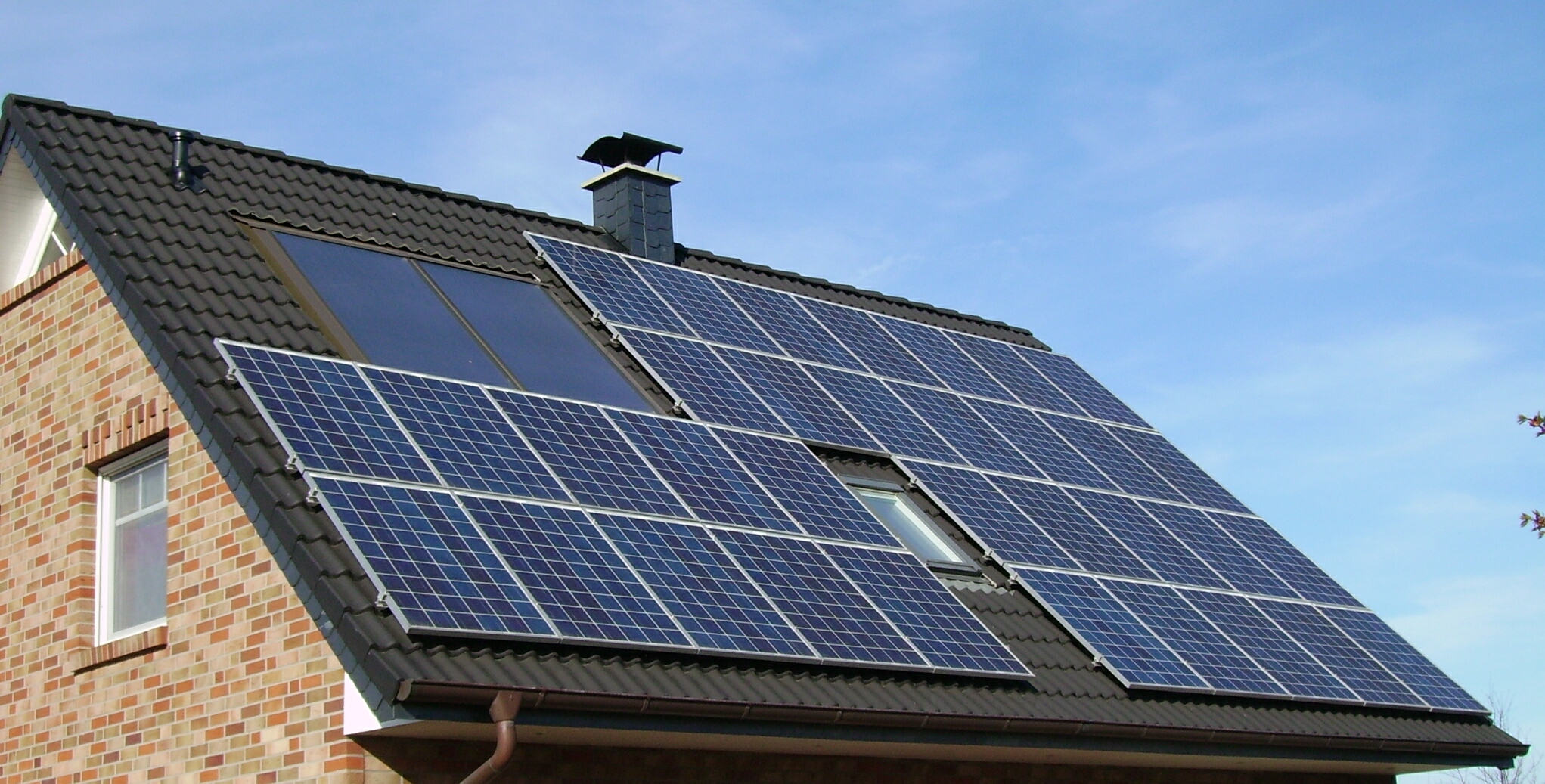
A properly configured backup system disconnects from the utility during an outage and establishes a local electrical supply. Depending on its design, solar can serve backed-up loads and recharge the battery while sunlight is available. The battery supplies stored energy when production falls or stops.
Adding a battery alone does not guarantee backup. The installation also needs compatible inverter equipment, grid isolation, and the appropriate wiring and settings. Some storage installations are configured for managing electricity costs rather than outage protection.
Can Solar Provide Backup Without a Battery?
Yes, in certain configurations. Enphase’s documented Sunlight Backup system uses compatible IQ8 microinverters plus a system controller, load control, and other required equipment to supply essential loads during daytime outages.
It is designed for selected essential loads, rather than unrestricted whole-home operation. Clouds and insufficient sunlight can cause loads to disconnect. Simply owning IQ8 microinverters does not establish that the complete backup system is installed.
Ask your installer what happens during passing clouds and whether appliances restart automatically. Without storage or another power source, this type of solar backup cannot supply electricity after dark.

How Long Will a Solar Battery Last?
Start with usable energy and average demand. For a period with no solar charging:
Estimated runtime in hours = usable battery energy in kWh × delivery efficiency ÷ average load in kW
For an illustrative example, suppose a battery has 10 kWh available above its reserve and 90% reaches the appliances after conversion losses:
- 300-watt average load: 10 × 0.90 ÷ 0.30 = approximately 30 hours.
- 1,000-watt average load: 10 × 0.90 ÷ 1 = approximately 9 hours.
- 3,000-watt average load: 10 × 0.90 ÷ 3 = approximately 3 hours.
These are calculations, not product guarantees. Actual runtime changes with charge level, reserve settings, temperature, battery condition, standby consumption, and appliance use. Do not subtract conversion losses twice if a manufacturer’s capacity figure already represents energy delivered at the AC output.
Energy capacity and power output are separate limits. Enough stored energy does not necessarily mean the inverter can start a pump or run several high-demand appliances at once.
What Should You Power First?
Build your plan around essential loads: refrigeration, selected lights, communications equipment, and needed heating controls or pumps. Check each appliance’s running demand, starting surge, voltage, and daily energy use.
Electric resistance heating, dryers, water heaters, and EV charging can consume a large share of a modest backup supply. A gas furnace still needs electricity for its blower and controls. Well pumps and sump pumps require particular attention to startup demand.
Questions to Ask Before Buying Solar Backup
- Will this exact installation supply power when the utility is down?
- Which circuits will be backed up, and which will remain off?
- What are the continuous and surge output ratings?
- How much battery energy is available above the backup reserve?
- Can solar recharge the battery during an outage?
- Can the system restart from sunlight if the battery becomes depleted?
- What happens during cloudy weather, snow cover, or several days of low production?
- If I want generator support, which equipment and connection method are approved?
Frequently Asked Questions
Will net metering credits keep my house powered?
No. Billing credits are not stored electricity. Outage protection depends on the equipment installed at your home.
Can I make ordinary solar work by switching off my main breaker?
No. That does not turn a grid-following inverter into a backup inverter. Never bypass shutdown protections or improvise a connection that can backfeed utility wiring.
Can a portable solar power station run my whole house?
Do not assume it can. Many units are intended for individual plug-in devices. Supplying household circuits requires a system rated for that use and a properly designed connection with grid isolation.
Installation safety: Have a qualified installer design and commission household backup connections using the equipment manufacturer’s instructions and applicable local requirements.