
Is a Whole House Generator Worth It in Wisconsin? (Madison + Dane County Guide)
If you’re searching “whole house generator Madison WI” or “standby generator installation Madison”, this guide gives a clear, homeowner-first answer — when a standby generator is genuinely worth it in Madison and Dane County, and when it’s not.
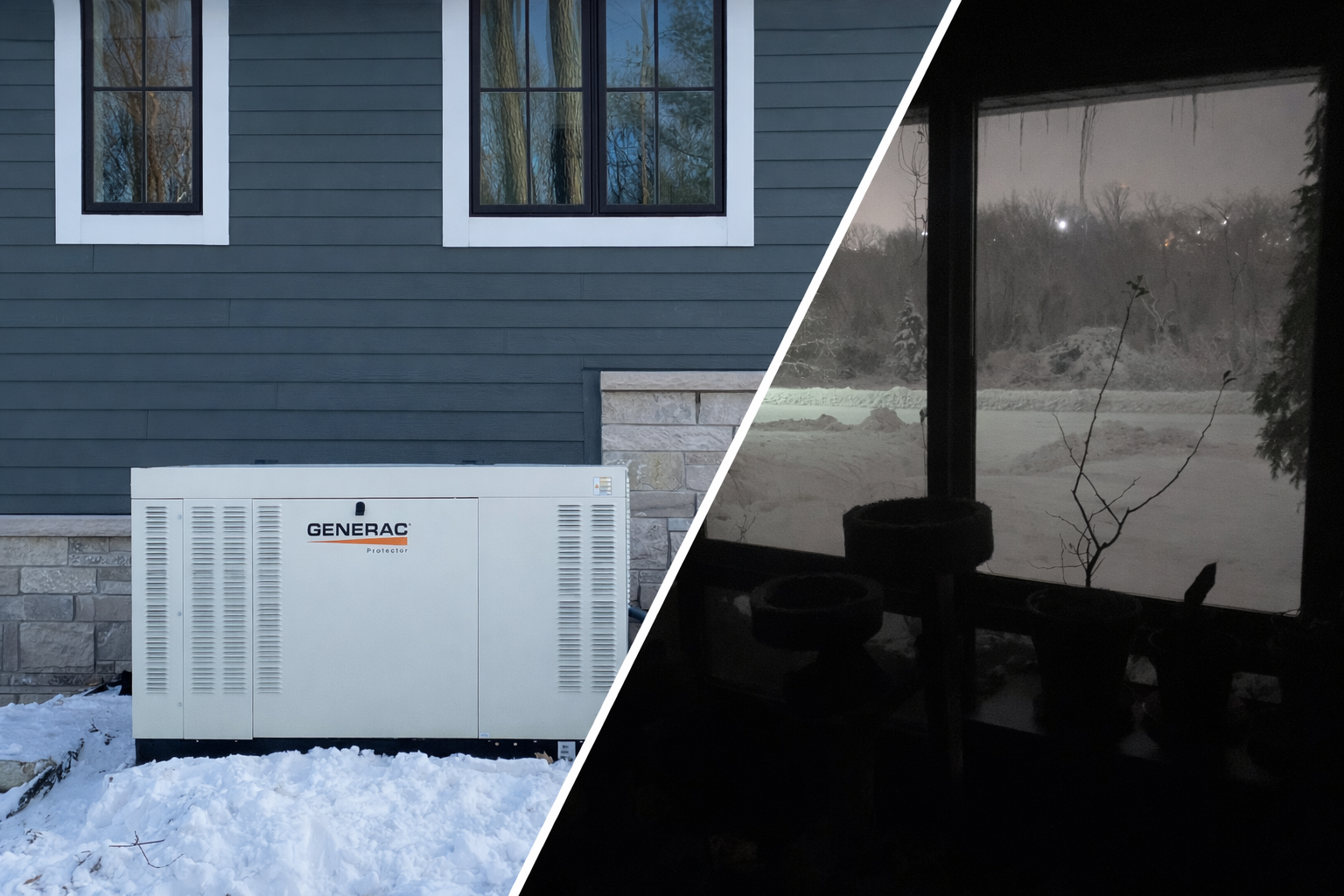
Quick answer for Madison homeowners
If you live in Madison or Dane County and your home depends on a sump pump, has a finished basement, relies on electric components to run heat (furnace blower), or you’ve had multi-hour / multi-day outages, a standby generator is often worth serious consideration.
Rule of thumb: If a 24–72 hour winter outage would cause damage (frozen pipes, sump failure) or force you out of the home, standby backup is usually a rational “risk management” purchase — not a luxury.
Once you decide it’s worth it, the next two questions are: What does it cost installed? and Which brand fits you best? Start here: Whole House Generator Cost (Installed), then compare brands here: Generac vs Kohler vs Cummins (2026).
Why Madison homes are higher risk than you think
Many homeowners underestimate outage risk because most outages are short. The problem is the rare longer outage — especially in winter — when small issues become expensive.
- Suburban tree density: lots of Madison-area neighborhoods and suburbs have mature trees near overhead lines.
- Ice + wet snow: heavy accumulation increases line and branch failures.
- Basement + sump dependence: finished basements raise the cost of a sump failure dramatically.
- Heat still needs electricity: even gas furnaces usually need power for the blower and controls.
Local intent keywords you’re capturing here: standby generator installation Madison and generator installers Dane County.
How common are outages around Madison, Wisconsin?
In the Madison area, outages typically come from wind + ice, heavy snow, thunderstorms, and tree damage. Longer restorations are more common in Dane County outskirts and nearby communities where overhead lines and wooded lots are common.
The practical homeowner question is simple: Can your home stay safe and functional for 24–72 hours without power?
Madison reality check: If you’re on a sump pump, well, or rely on electric components to run your furnace/blower, your risk isn’t “comfort” — it’s damage prevention.
What a 2–3 day winter outage can actually cost
Here are conservative, real-world categories Madison homeowners run into during multi-day outages:
| Expense category | Typical range |
|---|---|
| Spoiled fridge/freezer food | $300–$800 |
| Hotel (family, 2 nights) | $350–$700 |
| Frozen pipe repair | $2,000–$8,000+ |
| Basement water / sump failure cleanup | $1,500–$5,000+ |
| Lost work time / disruption | Varies |
Key point: one serious Wisconsin outage can cost more than multiple years of standby-generator payments.
Whole house generator cost in Wisconsin (2026)
In 2026, professionally installed standby generators in Wisconsin often land in the:
$9,000 – $18,000 installed (depending on kW size, gas work, permits, and site complexity).
If you want the full breakdown of what’s included (generator + automatic transfer switch + labor + permits + gas work), see: Whole House Generator Cost (2026) — Installation & Pricing Guide.
And if you’re already past “worth it?” and now deciding “which brand?”, use: Generac vs Kohler vs Cummins: Which Standby Generator Is Best in 2026?.
If you’re comparing retail prices (portable units, inverter models, warehouse club deals), use: Generator Price Comparison (2026): Amazon vs Home Depot vs Sam’s Club vs Harbor Freight vs Menards.
Madison & Dane County installation pricing (2026 estimates)
If you’re in Madison or nearby communities (Sun Prairie, Fitchburg, Middleton, Verona, Monona, Waunakee, DeForest, McFarland), your total installed price is mostly determined by generator size (kW), transfer switch setup, fuel work, permits, and whether any panel upgrades are needed.
| Item | Typical Madison-area range |
|---|---|
| Whole-home standby generator (installed total) | $9,000 – $18,000 |
| Automatic transfer switch (ATS) portion | $1,000 – $2,500 |
| Portable generator hookup (optional) | $800 – $2,000 |
For a full installation cost breakdown (what’s included + common add-ons), see: Whole House Generator Cost (2026).
Practical takeaway: Many Madison standby projects land around $10k–$14k for a typical home — and go higher if you need larger kW, panel work, longer gas run, or more complex site prep.
Quick scenarios: worth it or not?
Use this fast table if you’re deciding between a standby system vs. “we’ll deal with it when it happens.”
| Scenario (Madison / Dane County) | Worth it? | Why |
|---|---|---|
| Finished basement + sump pump | Very likely | Sump failure can turn into expensive cleanup fast. |
| Well pump (rural Dane County) | Very likely | Water access and heat become critical during outages. |
| Work-from-home household | Often | Outage disruption can cost more than you expect. |
| Moving in 1–2 years | Probably not | Harder to justify unless outage risk is high. |
| Downtown condo / low load needs | Probably not | Essentials-only backup may be plenty. |
When a standby generator is worth it in Madison (and when it isn’t)
It’s usually worth it if:
- You plan to stay in your home 5+ years
- You’ve experienced multi-day outages (or live on the edge of service areas)
- Your home depends on sump pump, well, or electric components for heat
- You work remotely and can’t afford multi-day disruption
- You want protection while you’re away (vacations, work travel)
It may NOT be worth it if:
- You expect to move within 1–2 years
- You’re comfortable managing a portable setup manually
- Your outage risk is truly low (dense, highly reliable urban feeds)
Portable vs standby in Wisconsin
For Wisconsin winters, the biggest difference is automation and load coverage. Portable generators can work — but they require manual setup, fuel handling, and careful load management. Standby generators switch automatically and can keep heat, sump, and essentials running even if you’re not home.
Madison homeowner shortcut: If your biggest fear is frozen pipes or a flooded basement, standby systems tend to be the cleanest solution because they’re automatic.
Bottom line for Madison homeowners
A whole house generator in Wisconsin is less about luxury and more about risk management. If a 24–72 hour outage would cause damage, force a hotel stay, or shut down your household — a standby generator often pays for itself in avoided disruption and avoided repairs.
If you’re pricing this in Madison, WI, start with the full breakdown so you know what’s included before comparing bids: Whole House Generator Cost (Installed).
Frequently Asked Questions
How long can a standby generator run in Wisconsin?
Natural gas standby generators can typically run continuously as long as fuel supply is available. Propane runtime depends on tank size and load.
What size generator do most Madison homes need?
Many Wisconsin homes land in the 18–24 kW range, but sizing depends on your heating method, panel capacity, and whether you want “whole home” coverage or “essentials only.”
Do standby generators work in snow and cold weather?
Yes — standby units are designed for outdoor operation in winter conditions when installed with proper clearances and maintained per manufacturer recommendations.
How long does installation take in the Madison area?
Many installs finish in 1–2 days, but scheduling, permitting, and utility coordination can add time. Gas line upgrades and electrical panel changes can also extend the project.