Generator Sizing
How to Size a Generator for Your Home (Without Overspending)
Most people buy the wrong generator for one of two reasons: they guess, or they buy based on fear. Both mistakes cost money.
The right generator size comes from your real outage plan: what must stay on, which appliances create startup surge, and how much breathing room you want when the power goes out.
- How to figure out your true backup power needs
- Why startup surge matters more than most homeowners think
- Which generator size range usually fits your house best
Quick Answer: What Size Generator Do I Need?
Most homeowners fall into one of three common categories:
- 2,000–4,000 watts for a fridge, lights, internet, and a few basics
- 5,000–9,000 watts for essential circuits like a furnace blower, sump pump, fridge, and selected outlets
- 10,000–22,000+ watts for whole-home or near-whole-home standby backup
The exact answer depends on your real appliances, motor startup surge, and whether you want to power only essentials or much more.
Why Generator Size Matters
A generator that is too small becomes frustrating fast. A generator that is too large often costs more than you needed to spend. Good sizing is about reliability, not ego.
Too small
- Breakers trip or voltage drops under load
- Motors struggle to start
- You end up constantly load-managing during outages
Too large
- You pay more up front than necessary
- Fuel use can be worse than expected at light loads
- You may end up with a louder, bulkier machine than you actually needed
Main takeaway: generator sizing should be based on your loads, not your square footage. Two homes of the same size can need very different backup power.
Step 1 — Identify Your Essential Loads
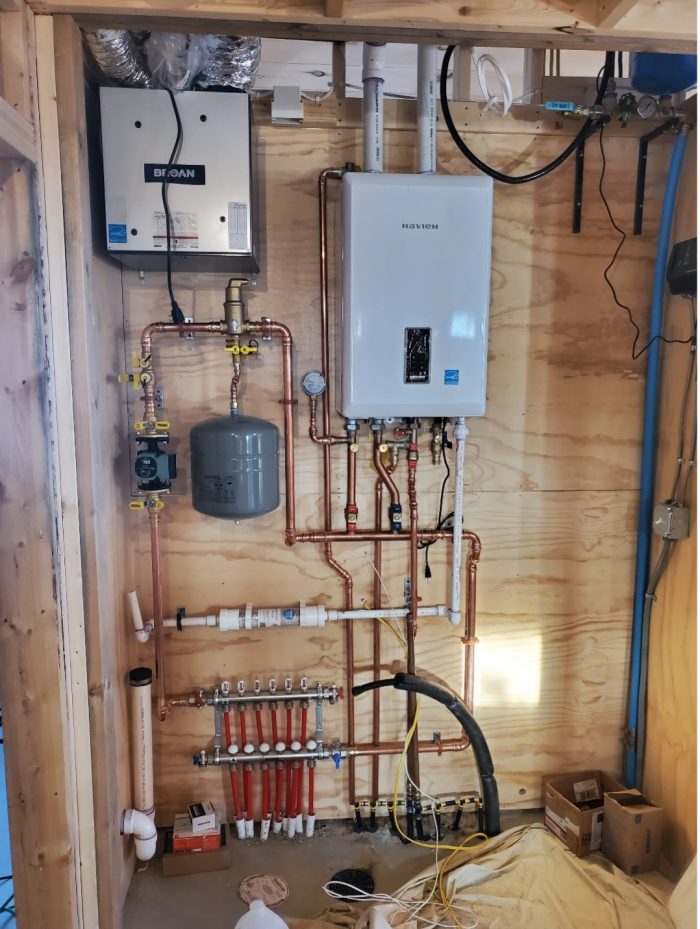
Start with the real question: what absolutely needs to stay on during an outage? This one step keeps most people from buying more generator than they need.
Must-run loads
- Refrigerator and freezer
- Furnace blower or boiler controls
- Sump pump
- Well pump, if you have one
- Medical equipment
- Modem/router and phone charging
Nice-to-have loads
- TV and entertainment
- Microwave or small kitchen appliances
- Extra lighting circuits
- General outlets
- Selected convenience loads
Smart move: most homeowners get the best value by backing up essential circuits, not the entire house.
Step 2 — Running Watts vs Startup Watts
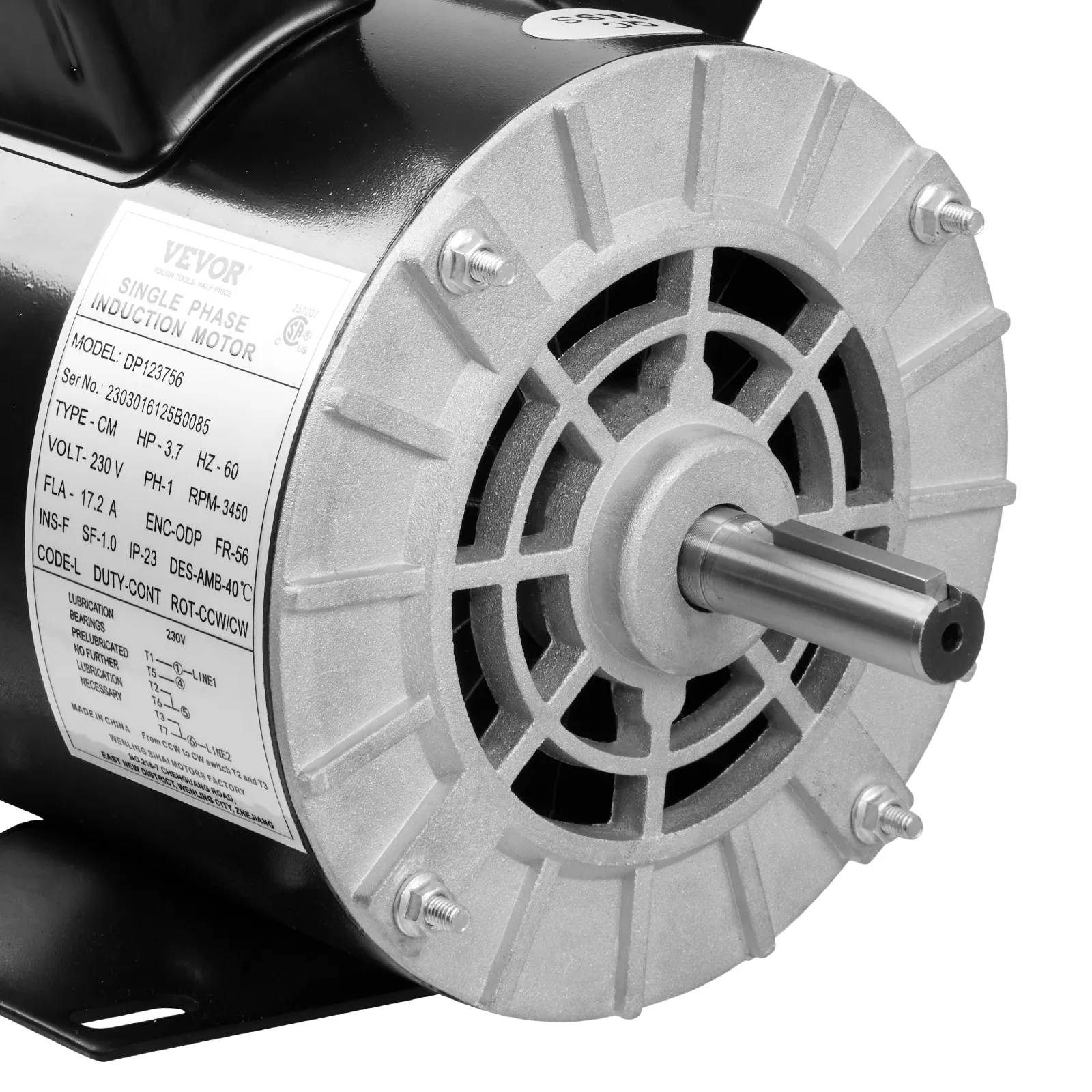
This is where many generator purchases go wrong. A generator may look large enough on paper but still fail when a motor starts.
Running watts
- The steady power a device uses after it is running normally
- This is your continuous load
Startup watts
- The short burst of extra power needed to start a motor
- Common with fridges, pumps, blowers, and compressors
Why this matters: a generator that handles your normal load may still choke when the sump pump or refrigerator kicks on. Good sizing is based on the worst realistic startup moment.
Step 3 — Add Up Your Loads
Enter only the loads you actually want to run during an outage. The goal is not to impress yourself. The goal is to build a backup plan that works.
Use the calculator: Open the Load Calculator →
When you finish, look at two numbers: your total running watts and your biggest startup surge.
Already have your number? Good. Now you can compare generator classes instead of guessing by house size.
Safety note: installation and connection methods should follow local electrical code. Confirm final setup with a licensed electrician where needed.
Simple Generator Size Chart
Before you compare models, think in size classes.
Basic Essentials
Good for a fridge, lights, charging, internet, and a few carefully managed loads.
Most Homes’ Sweet Spot
Often ideal for a furnace blower, sump pump, fridge, lights, and selected essential circuits.
Whole-Home / Standby
Best for homeowners who want automatic backup and broader coverage with less manual load management.
Example: Real-World Generator Sizing
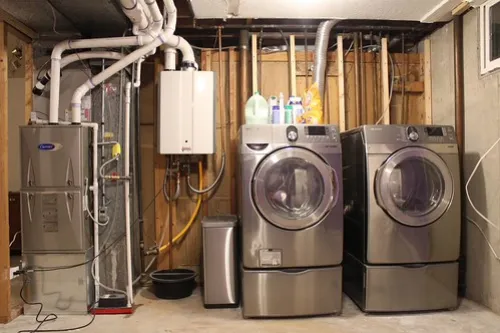
Here’s a simple example of how real sizing works.
Example outage loads
- Refrigerator → 700W running / 2,000W startup
- Furnace blower → 800W running / 1,600W startup
- Sump pump → 1,000W running / 3,000W startup
- Lights + outlets + router → 500W running
Practical result
- Total running load: about 3,000 watts
- Worst startup moment: about 5,000–6,000 watts
- Smart recommendation: a 6,000–7,500 watt generator
Bottom line: the right generator size comes from actual loads, not a vague “bigger is better” mindset.
What Size Generator Do You Need?
Small Portable Generators (2,000–4,000W)
- Good for fridge, lights, router, and compact essentials
- Best when you are comfortable managing loads carefully
- Strong fit for short outages and basic comfort
Large Portable Generators (5,000–9,000W)
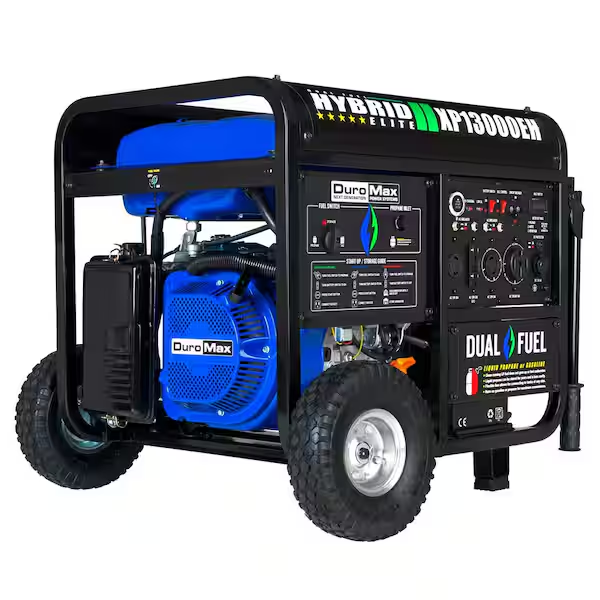
- Often covers furnace blower, sump pump, fridge, and multiple essential circuits
- Usually the best balance of price and capability
- Common sweet spot for many homes
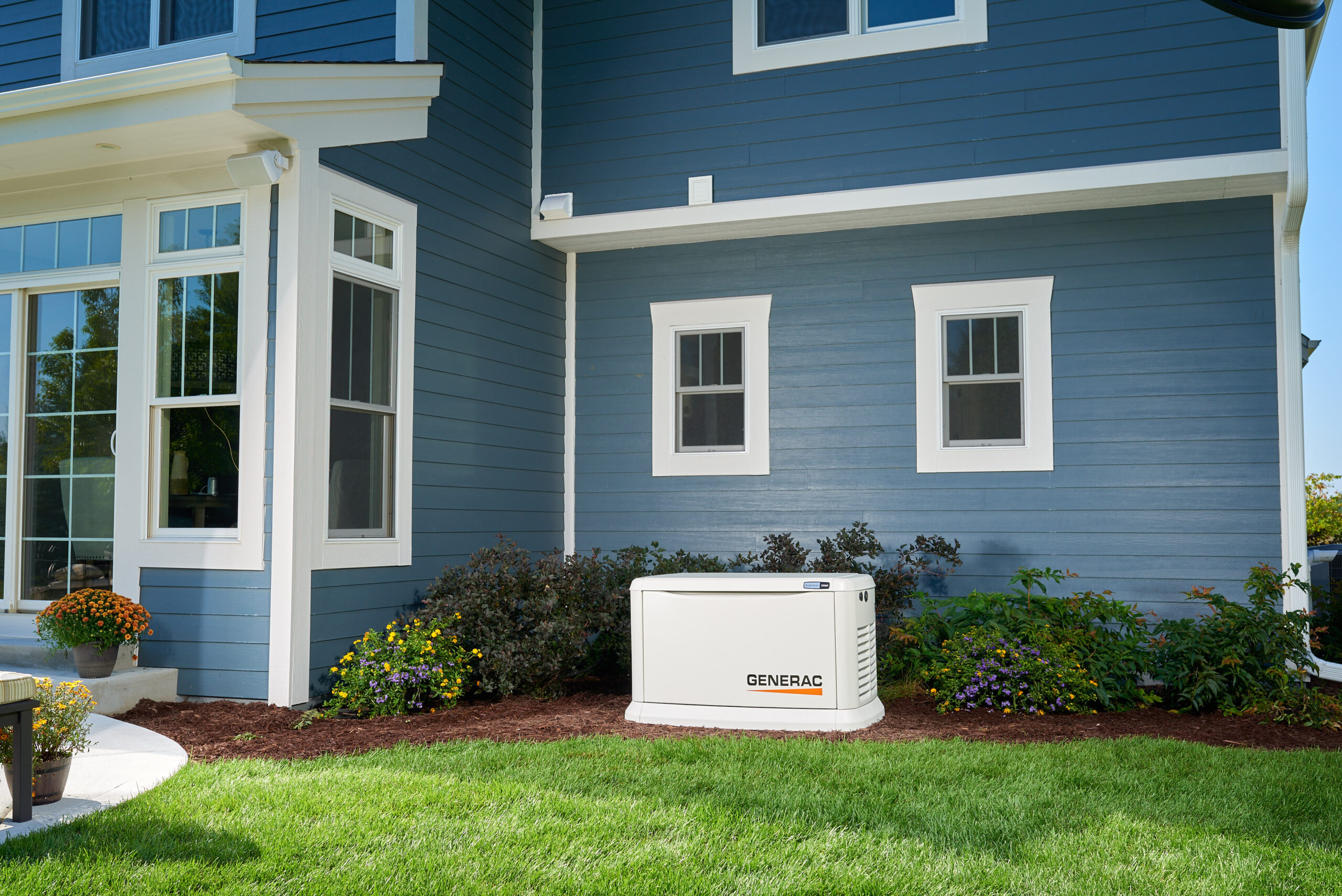
Standby Generators (10,000W+)
- Best for whole-home or near-whole-home backup
- Works with automatic transfer equipment
- Best when convenience and reliability matter most
Reality check: central air, electric ranges, and dryers can push generator size up quickly. Many homeowners get better value by backing up essentials well instead of trying to power everything.
Recommended Picks by Size
How these are chosen: realistic outage use, surge handling, fuel flexibility, usability, and homeowner value — not just marketing specs.
2k–4k Inverter Generator
Best for a simple outage plan focused on food protection, lights, internet, and a few core loads.
- Good for: fridge/freezer, router, lights, TV, charging
- Watch out for: overlapping motor starts
- Why it works: quieter, efficient, and easy to live with
5k–9k Dual-Fuel 120/240V
This is the size range many homeowners actually need.
- Good for: furnace, sump pump, fridge/freezer, multiple essential circuits
- Why 120/240V matters: supports more serious household loads when needed
- Why dual-fuel helps: more flexibility during long outages
10k+ Standby Generator + ATS
Best for homeowners who want automatic backup and less stress during repeated outages.
- Good for: whole-home or near-whole-home coverage
- Best for: families, remote work, medical needs, outage-prone areas
- Main benefit: convenience and reliability
Helpful Related Guides
Frequently Asked Questions
What size generator do I need for a 2,000 square foot house?
Square footage alone is not enough. A 2,000 square foot home with gas heat and an essentials-only backup plan may fit well in the 5,000–9,000 watt range, while an all-electric home may need much more.
Can a 5,000 watt generator run a house?
It can run part of a house well, especially essential loads. It usually does not run an entire modern home unless the backup plan is very limited and carefully managed.
Do I need a 240V generator?
Maybe. If your outage plan includes a well pump, certain HVAC equipment, or other 240V loads, then yes. If you only need small 120V essentials, maybe not.
Should I size a generator with headroom?
Yes. Headroom makes performance more reliable, helps with startup surge, and reduces the stress of running right at the edge.
Sizing Quiz (Quick Check)
5 Questions
Answer each question, then click Score Quiz.
1) The biggest reason generators fail even when the wattage looks high enough is:
2) A smart first step to avoid overspending is to:
3) Running watts means:
4) A 120/240V generator matters most because it:
5) A practical sizing rule is to: